


Dongguan King Abrasives Co., Ltd.
Dongguan King Abrasives Co., Ltd. (Est. 1997) stands as one of China's pioneering entity companies specializing in the trading of coated abrasives. Through four years of strategic growth, the company achieved a strategic transition from a trader to a full-fledged manufacturer in 2001. Strategically located in Dongguan—a global manufacturing hub renowned for its connectivity and industrial system—we leverage the location advantages of the Guangdong-Hong Kong-Macao Greater Bay Area to seamlessly integrate into global manufacturing supply chains.
Today, we offer solutions ranging from jumbo rolls to finished products. We produce and supply a diverse range of coated abrasives products extensively applied across multiple industries, including collision repair, vehicle coating, precision grinding, furniture and woodwork, and industrial grinding operations. Committed to establish a vertical integration supply chain, we own multiple cutting-edge production lines that cover the entire value chain—from raw material R&D to intensive processing of finished products.
Featured Products
Our Products
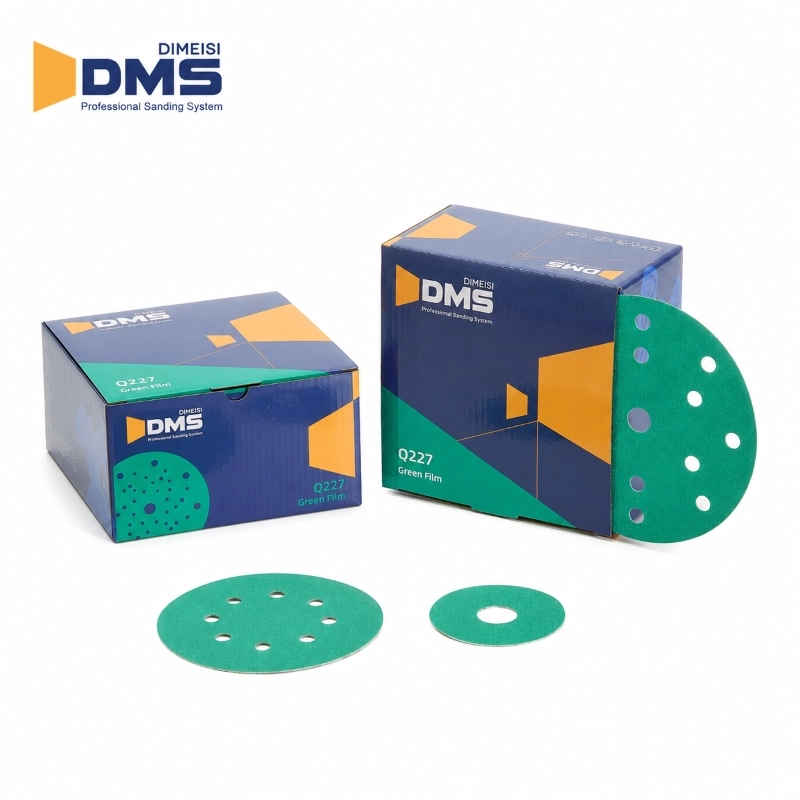
Green Film Abrasive Disc
Model:Q227
The DMS Q227 green film abrasive discs is a polishing product that combines high-performance materials with a user-friendly design. Its special process and coating design achieve a breakthrough in both polishing efficiency and durability while maintaining a smooth surface and uniform scratches.
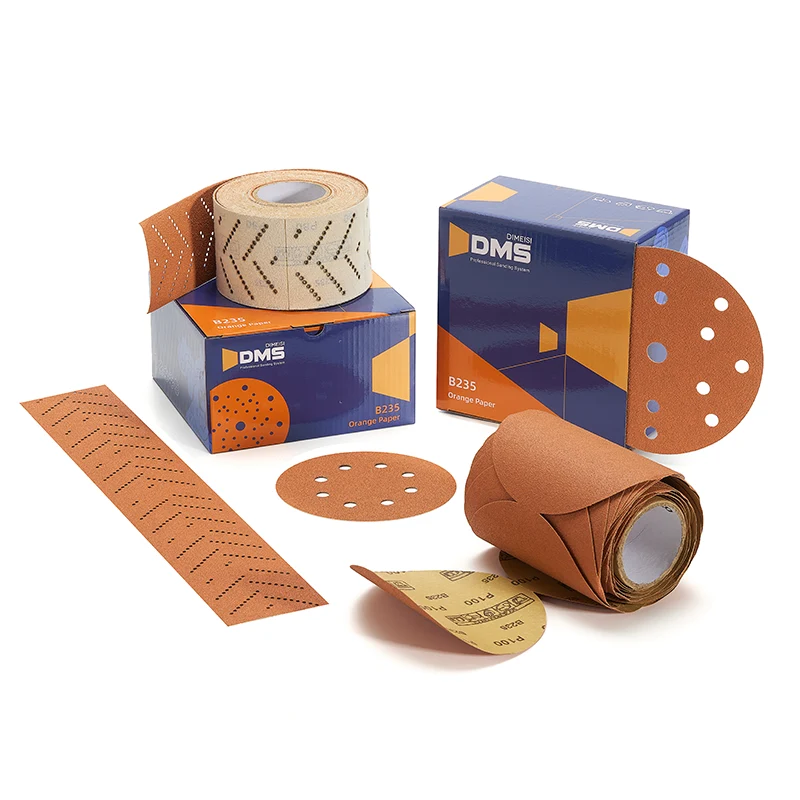
Orange Sandpaper
Model:B235
DMS B235 Orange Sandpaper is a professional-grade sanding product that achieves a precise balance between performance and cost. Inheriting the core technology framework of high-end sandpapers, it uses high-standard hybrid ceramic abrasives as its core material. While ensuring strong cutting efficiency and uniform scratch performance, it effectively improves sanding qualification rates and reduces rework losses. Combined with its optimized anti-clogging design and rational pricing strategy, it has become a preferred solution for users pursuing efficient operations and high cost-effectiveness.
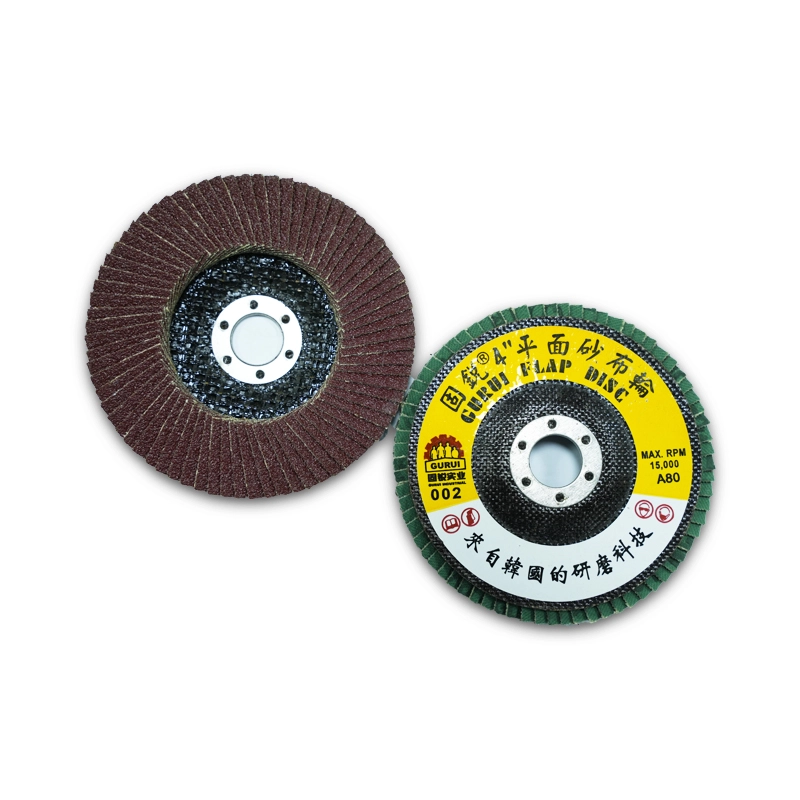
Featuring premium aluminum oxide abrasive grains and a durable fiberglass backing, this aluminium oxide flap disc delivers reliable grinding and surface finishing performance in steel fabrication, metalworking, and automotive repair. Its angled flap configuration provides enhanced access to confined spaces and intricate contours, improving operational flexibility and grinding efficiency.
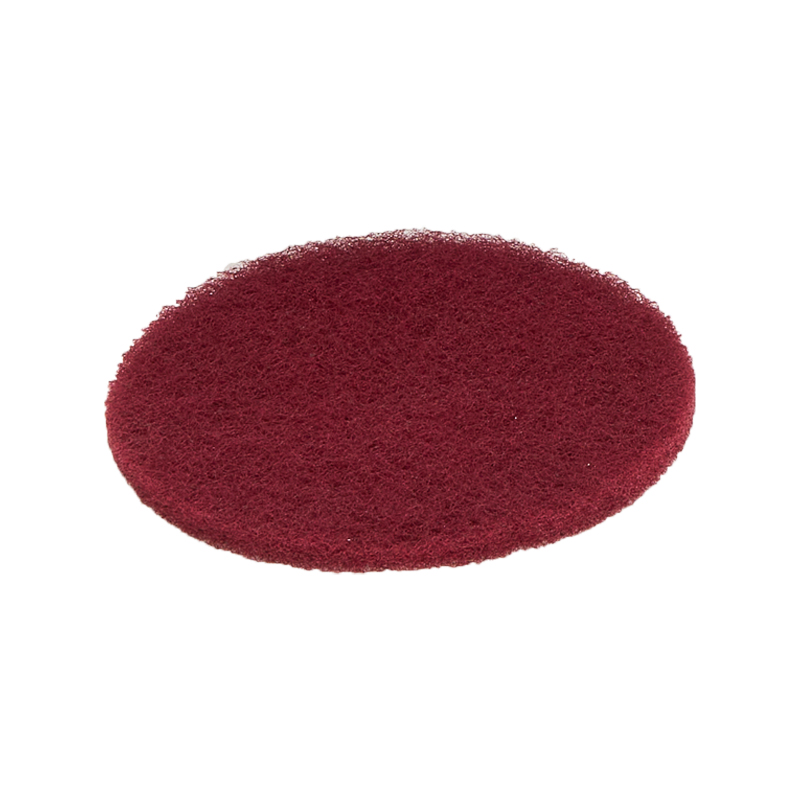
Red Non-Woven Abrasive-N74B-BY
Model:N74B-BY
The Red Non-Woven Abrasive-N74B-BY features a three-dimensional open-web structure with evenly embedded aluminum oxide grains, offering flexible conformity on curved parts, edges, corners, and contoured surfaces without damaging the workpiece. It delivers sharp, uniform cutting and fine finishing across automotive, marine, woodworking, and metalworking applications.
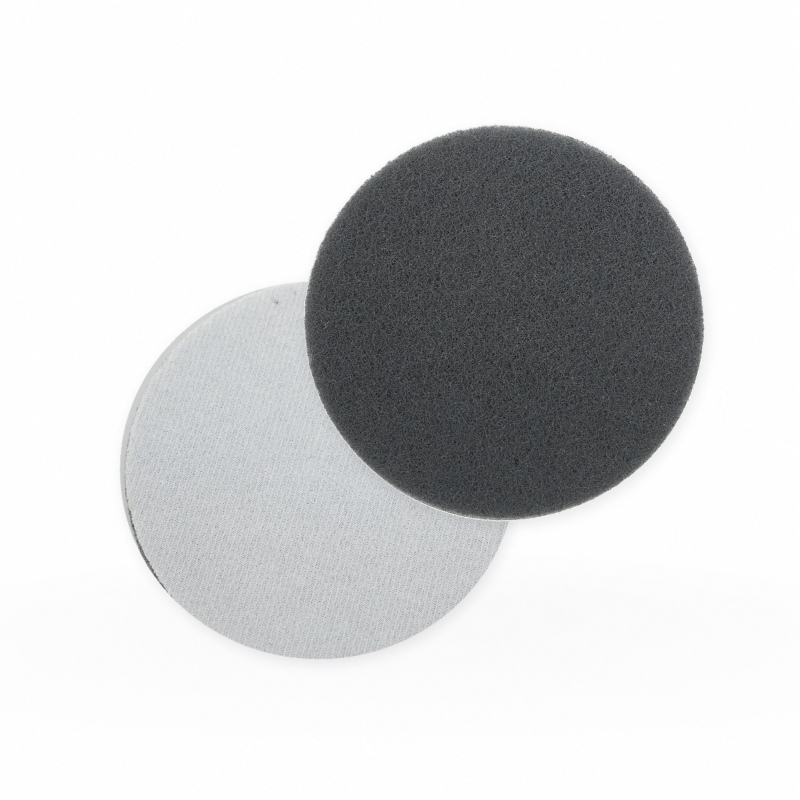
Grey Non-Woven Abrasives Disc
Model:N76C
The N76C Grey Non-Woven Abrasives Disc combines a flexible open-web structure with silicon carbide abrasive for fine surface prep and finishing on curved, contoured, and hard-to-reach areas. Its hook-and-loop backing enables fast disc changes across automotive, marine, and metalworking applications.
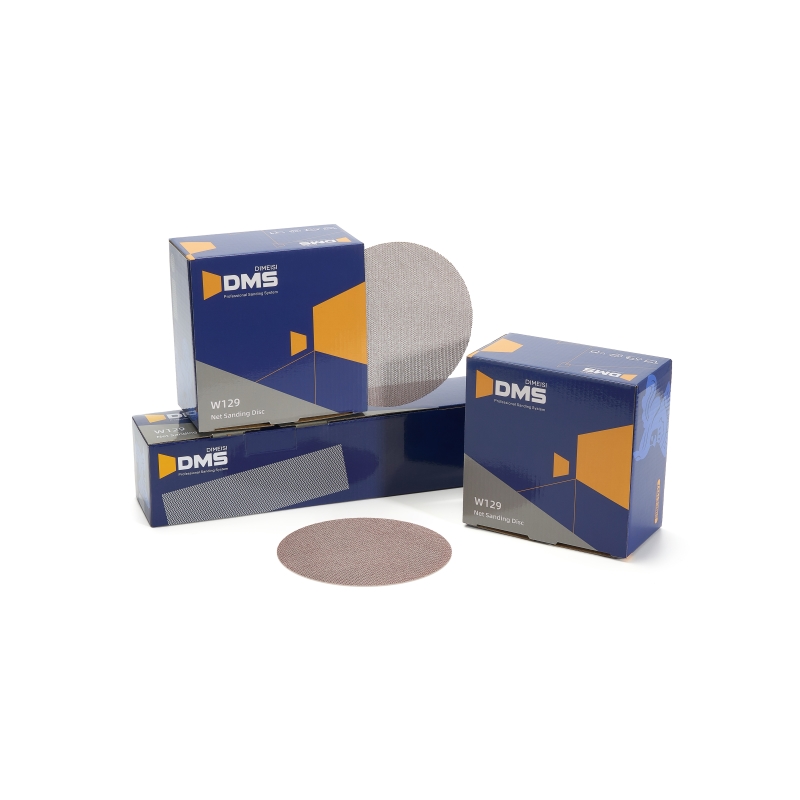
W129 Net Abrasives
Model:W129
DMS W129 Net Abrasives combine mixed ceramic grains with an open net structure for sharp cutting and full-surface dust extraction, while a durable hook-and-loop backing reduces clogging and extends sanding life.
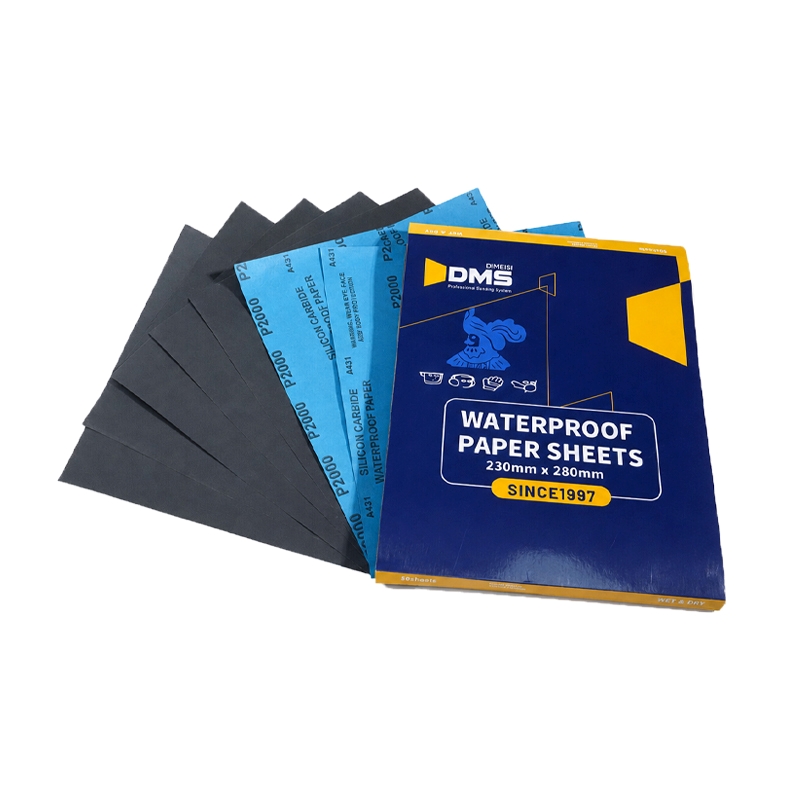
A431 Waterproof Sandpaper
Model:A431
DMS A431 Waterproof Sandpaper combines high-quality silicon carbide abrasives with a high-latex, water-resistant backing, delivering uniform scratch patterns and excellent conformability for water grinding applications.
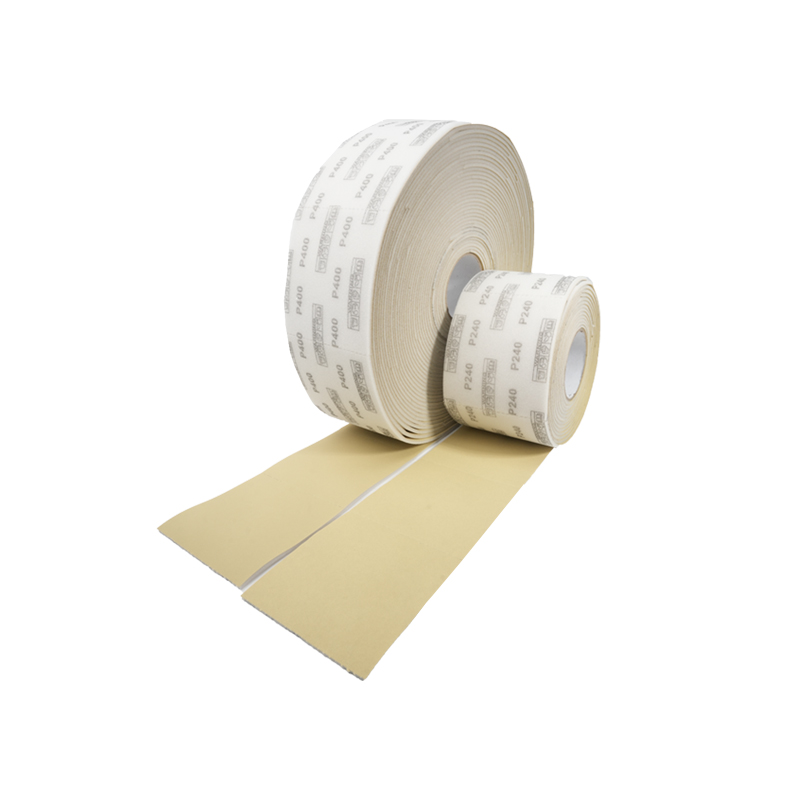
B525 Sanding Sponge Roll
Model:B525
DMS B525 Sanding Sponge Roll combines an anti-clogging coating with an ultra-soft sponge backing for comfortable wet or dry sanding, conforming smoothly to curves and distributing pressure evenly to help reduce surface damage.
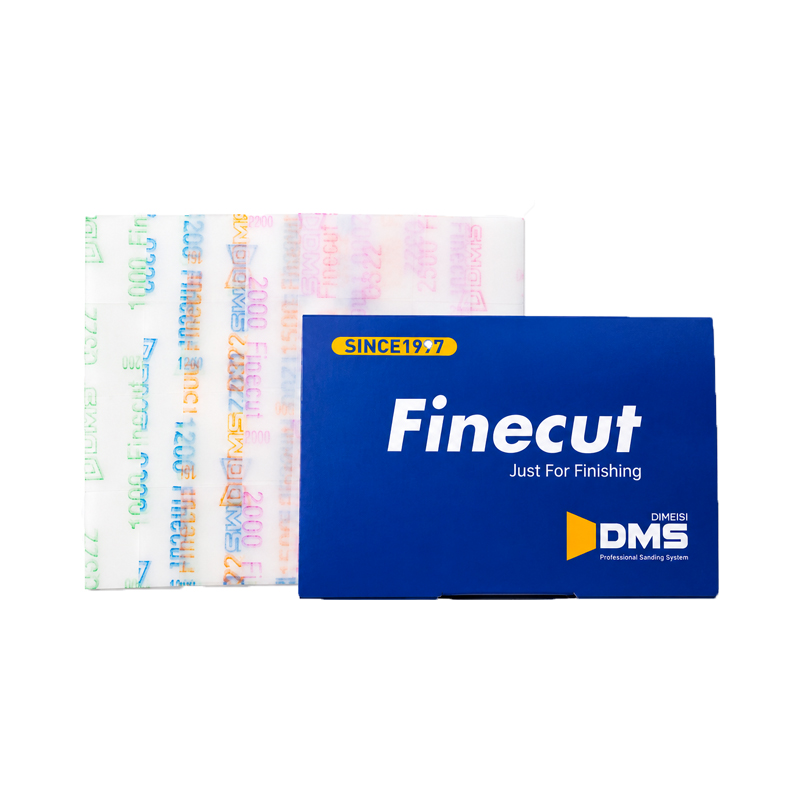
Q322 Finecut Spot Finishing Sheet
Model:Q322
Q322 Finecut Spot Finishing Sheet is designed for fast, controlled removal of dust nibs and localized paint imperfections. Its anti-clogging design and uniformly graded aluminum oxide on a stable film backing produce fine, consistent scratch patterns for a smoother finishing process.
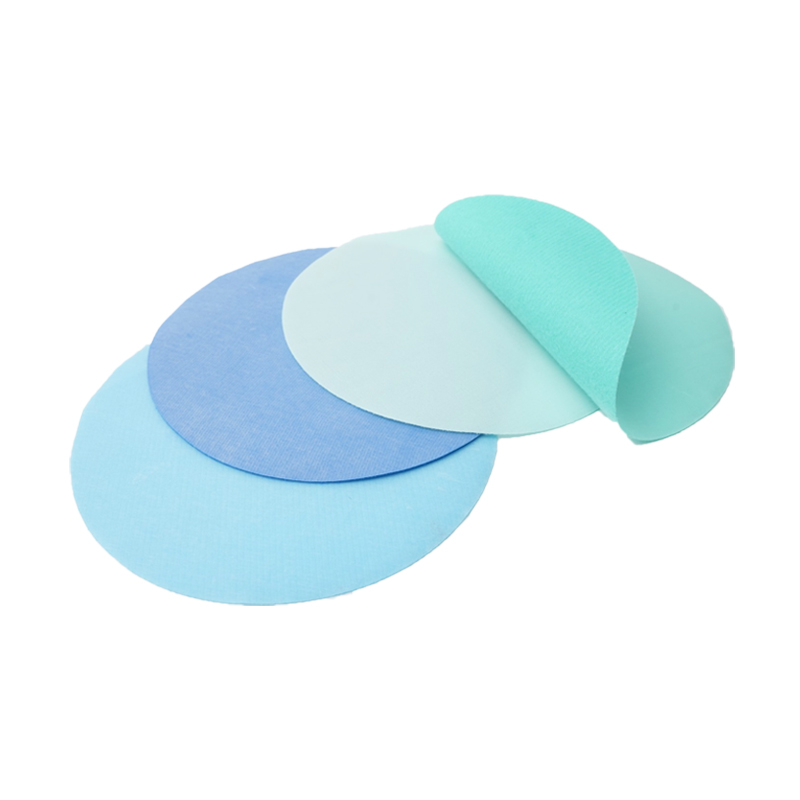
Flexible Film
Model:T05
T05 Flexible Film delivers precise, consistent surface finishing on curved and contoured surfaces thanks to its flexible TPU backing and uniform aluminum oxide abrasive, helping reduce rework and shorten subsequent polishing steps across automotive, marine, and aerospace applications.
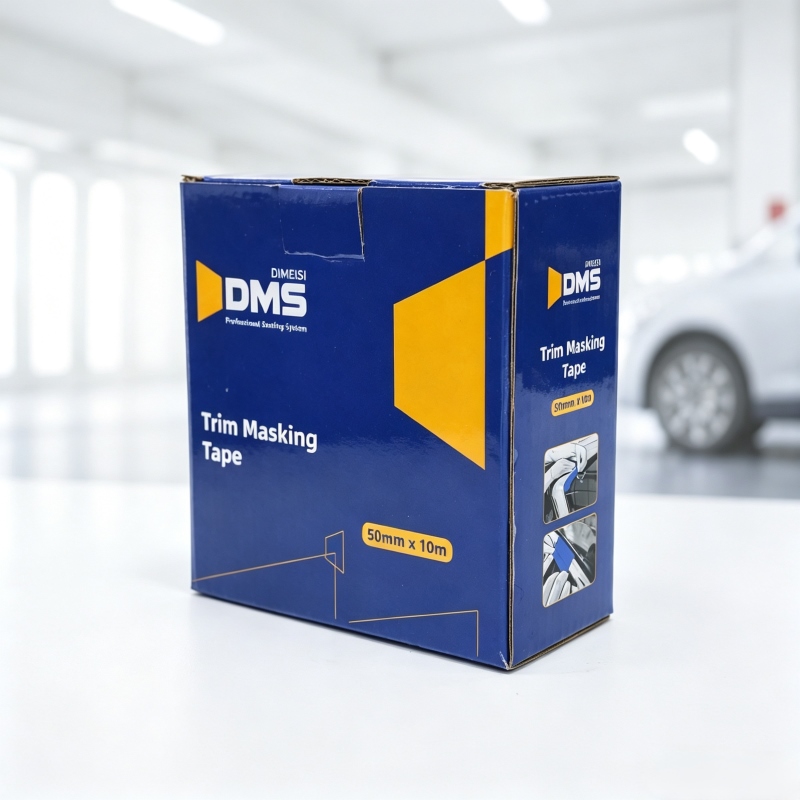
The Trim Masking Tape features a flexible lifting strip that raises rubber trims away from the painted surface. It allows paint to reach beneath moulding edges while preventing overspray and bridging, saving preparation time and withstanding temperatures up to 110°C for 30 minutes.
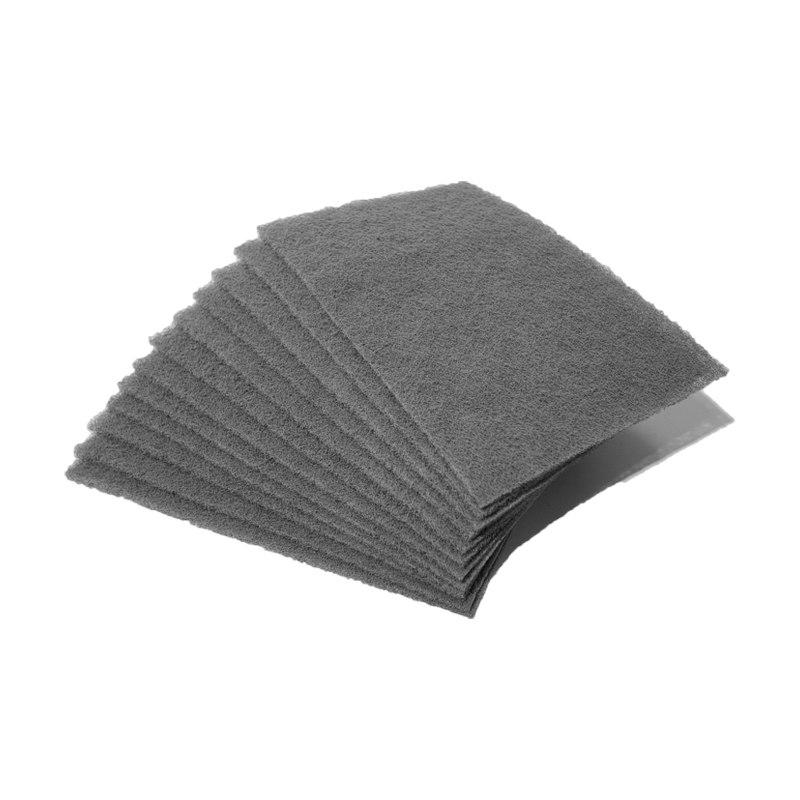
Grey Non-Woven Abrasive-N78C
Model:N78C
The Grey Non-Woven Abrasive-N78C delivers fine surface conditioning with a controlled cut and refined finish on curved, contoured, and detailed surfaces, ideal for paint matting, primer prep, and light finishing across automotive, marine, and industrial applications.
Why choose us
Why we’re your Best Choice
Company Strength
The company was founded in 1997, stands as one of China's pioneering entity companies specializing in the trading of coated abrasives. Now integrate into global manufacturing supply chains.
1997
Establishment Time

Market Strength
Our sandpaper products have been accepted and highly appreciated by customers in many regions, such as North America, Russia, Australia, Europe and so on. Current annual sales are about 40 million dollars a year.
4000+
Annual Sales

Technical Strength
Establish a joint research and development mechanism with multiple universities and research institutions to achieve the industrial application of more research results The cumulative number of technical patents exceeds 300.
300+
Technical Patents

Get a Quote
Send Inquiry
If you have any enquiry about quotation or cooperation, please feel free to email us at info@dgkingdom.com or use the following inquiry form. Our sales representative will contact you within 24 hours.
News
Our Latest Article
2026-11-12
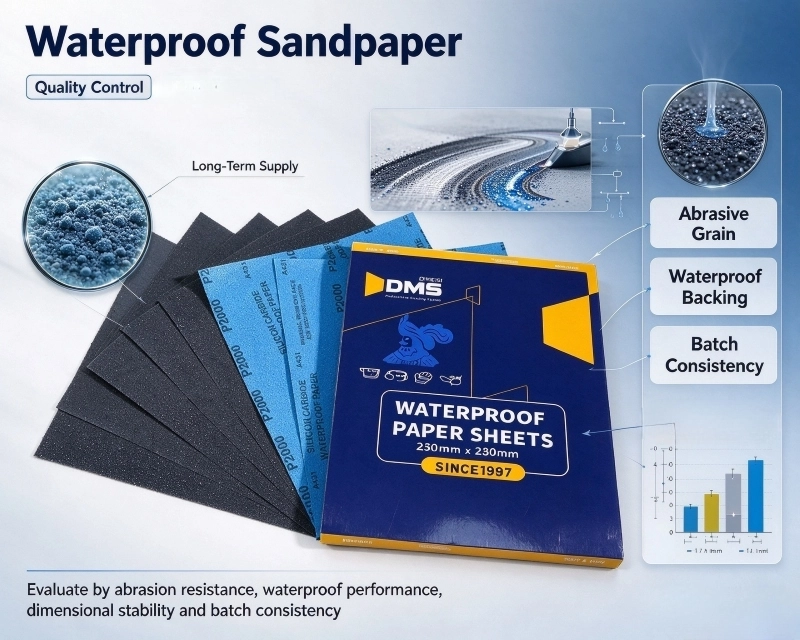
To judge whether a waterproof sandpaper factory is suitable for long-term cooperation, look at whether its quality control system covers several critical stages from raw material to finished product, not just a certificate of conformity.
read more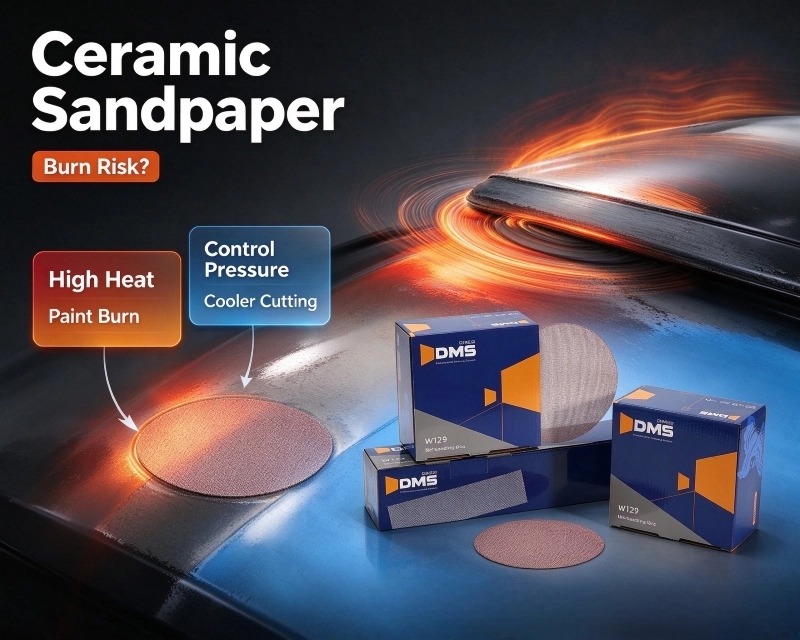
2026-10-30
When using ceramic sandpaper for paint restoration, one concern many people have is "burning" — localized overheating of the paint surface that causes it to turn white, char, or even grind through the clear coat. While this concern is understandable, attributing the cause directly to the abrasive is inaccurate.
read more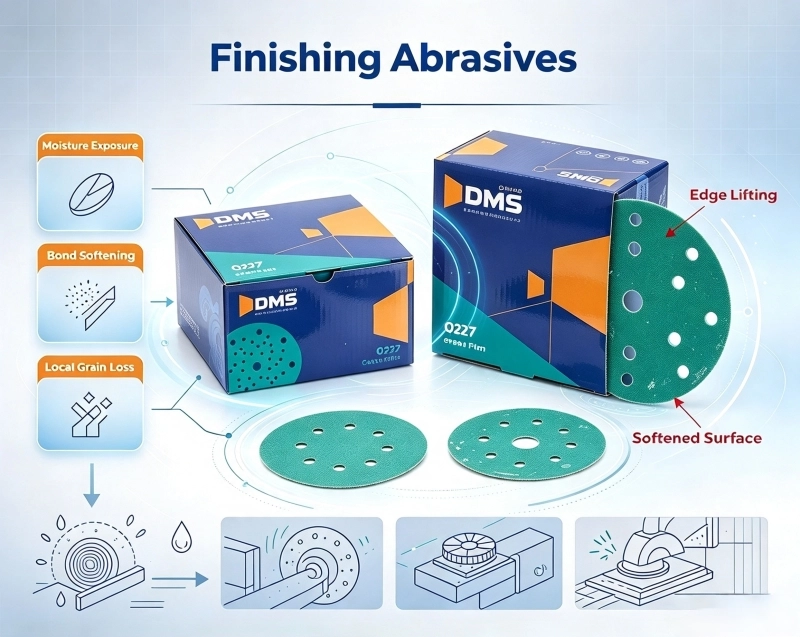
2026-10-28
Backing softening and delamination in finishing abrasives is a common workshop issue. Most people blame the sandpaper first, but the cause is usually a mix of factors. The backing's waterproofing, the binder's water resistance, and conditions like slurry chemistry and soaking time can all contribute, alone or together.
read more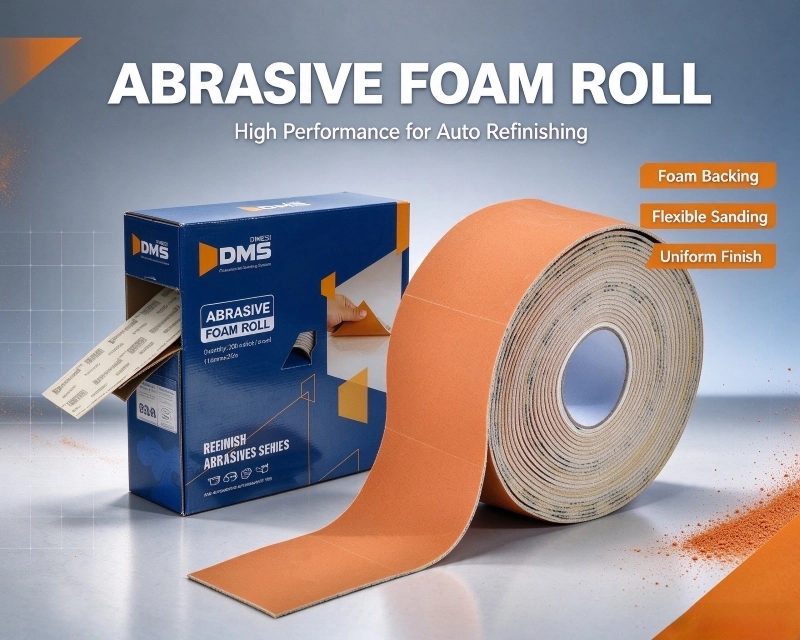
2026-10-27
When grinding shifts from hand work to high-speed machine operation, or when hard materials are processed continuously, standard rolls run into a familiar problem: heat buildup. Friction heat softens the bonding resin, and the abrasive grains lose adhesion. Cutting performance drops, and in severe cases the workpiece surface can be scorched. High-temperature-resistant automotive sandpaper rolls are built around this specific failure point.
read more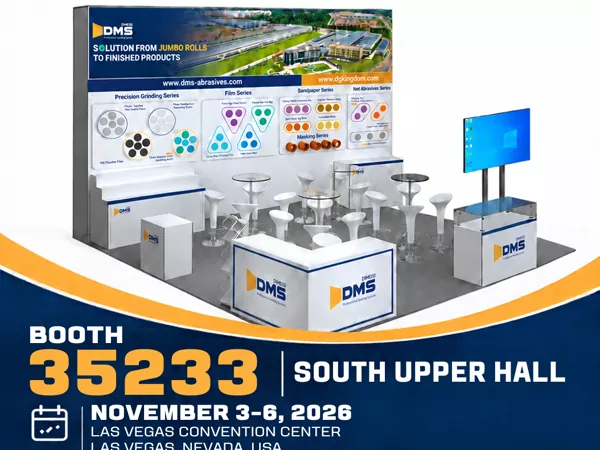
2026-10-26
LAS VEGAS, NV — Dongguan King Abrasives Co., Ltd. is ready to meet global buyers and industry partners at the SEMA Show 2026, taking place November 3–6 at the Las Vegas Convention Center. The team will welcome visitors at Booth 35233, South Upper Hall, presenting its full lineup of high-performance coated abrasives tailored for automotive collision repair, vehicle coating, precision grinding, woodworking and general industrial grinding applications.
read more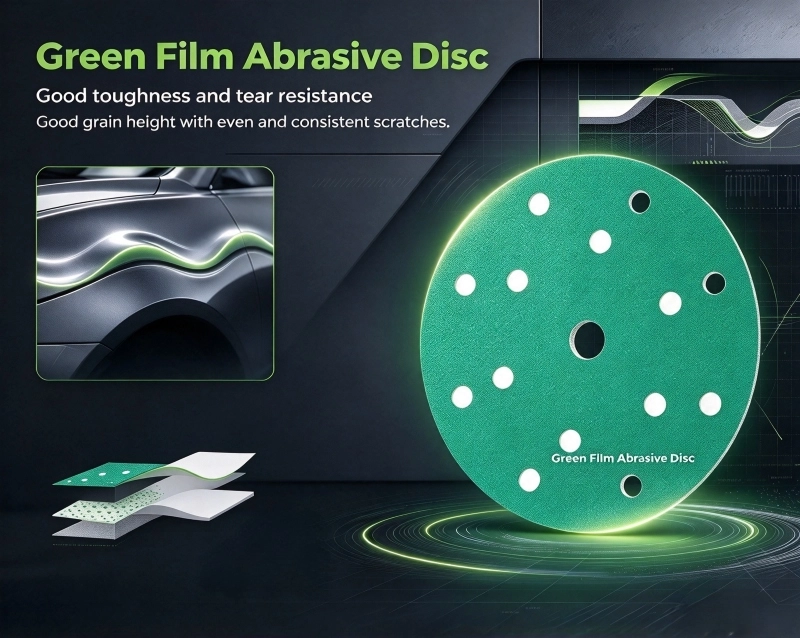
2026-10-20
Wavy marks on putty after pneumatic sandpaper sanding usually have more than one cause. Check pad and backing flatness, hole alignment, sanding technique and speed, putty layer condition, and abrasive distribution in that order, then compare a few samples to pinpoint whether the issue comes from the equipment, the technique, or the sandpaper itself.
read more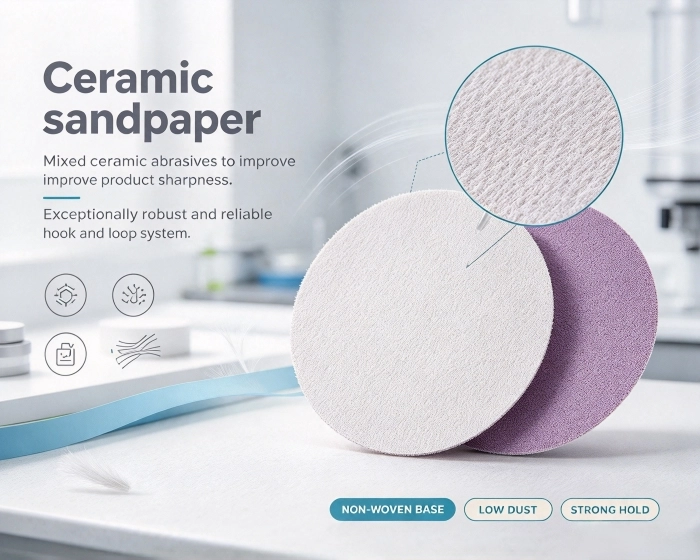
2026-10-19
These measures help, but they don't fix the source. Dust forms the moment sandpaper touches the workpiece. The way the abrasive cuts and clears debris decides whether dust stays in the air or gets captured. Eco-friendly ceramic sandpaper works on both ends of that process.
read more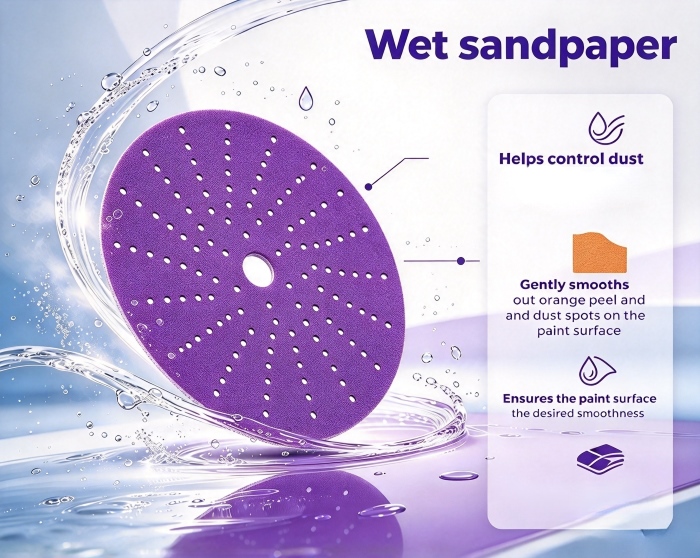
2026-10-15
The fine-finishing process for automotive body and paint surfaces relies heavily on wet sanding. Wet sanding helps suppress dust and gently smooths out orange peel and dust spot defects on the paint surface, ensuring the paint surface achieves the desired level of smoothness. Wet sandpaper is the core consumable in this process.
read more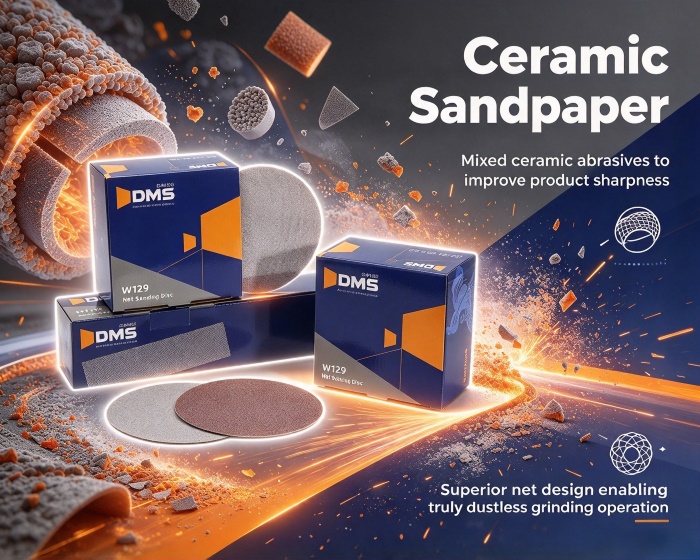
2026-10-12
In the workshop, picking sandpaper often comes down to matching the grit number. But what really affects sanding results and consumable costs is the abrasive itself. Ceramic Sandpaper and silicon carbide sandpaper serve different purposes. One is built for efficiency and long service life. The other is built for precision and surface quality.
read more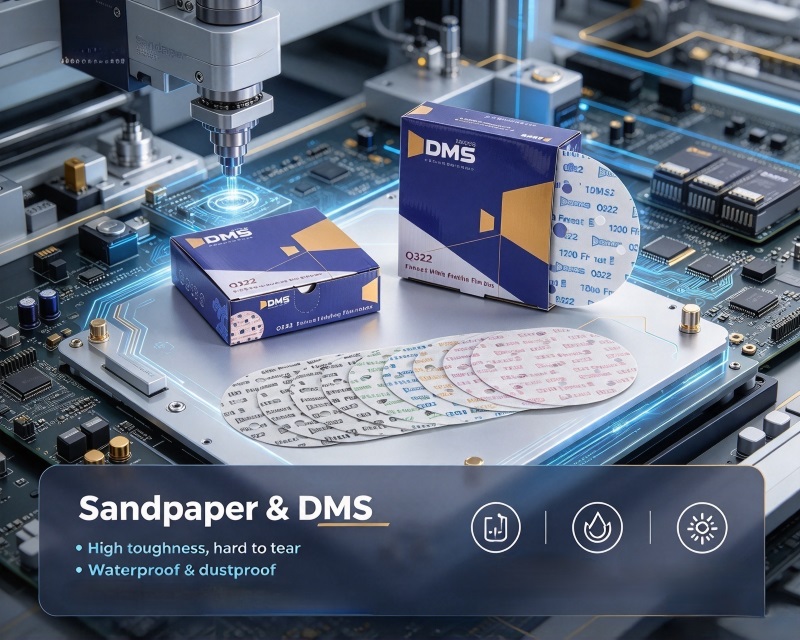
2026-10-10
Many technicians reach for ordinary fine-grit sandpaper when working on casings, contacts, or precision components, only to find dust clinging to the workpiece or components failing in later testing. In many cases, the sandpaper itself is the problem.So why has anti static fine sandpaper become an essential choice? Here, DMS shares insights drawn from years of industry experience.
read more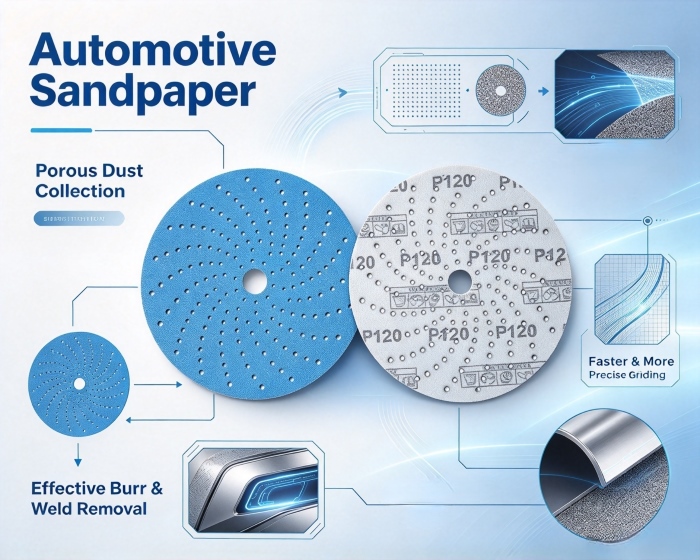
2026-09-29
Porous dust-collecting automotive sandpaper uses an optimized hole pattern. Compared to conventional sandpaper with single or few holes, it works better with body shop dust extraction systems and brings practical improvements to daily operations.
read more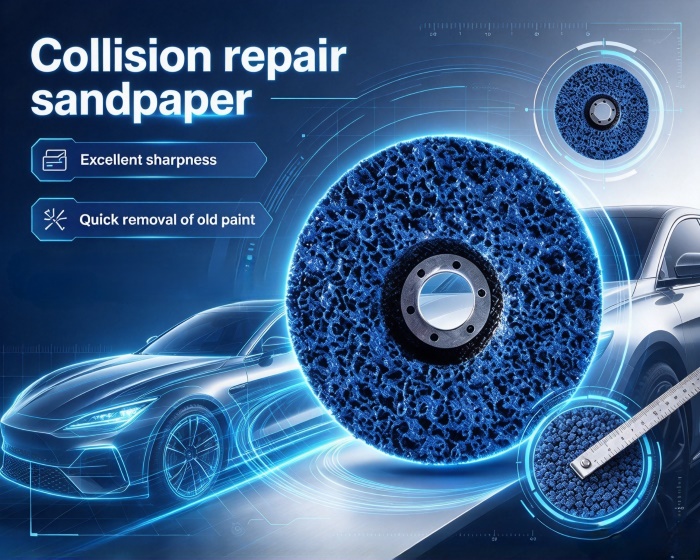
2026-09-28
The wear resistance and cutting stability of the collision repair sandpaper used directly affect the pace of work in the shop. Choosing durable products reduces the time spent changing consumables and lowers the risk of paint rework.
read more