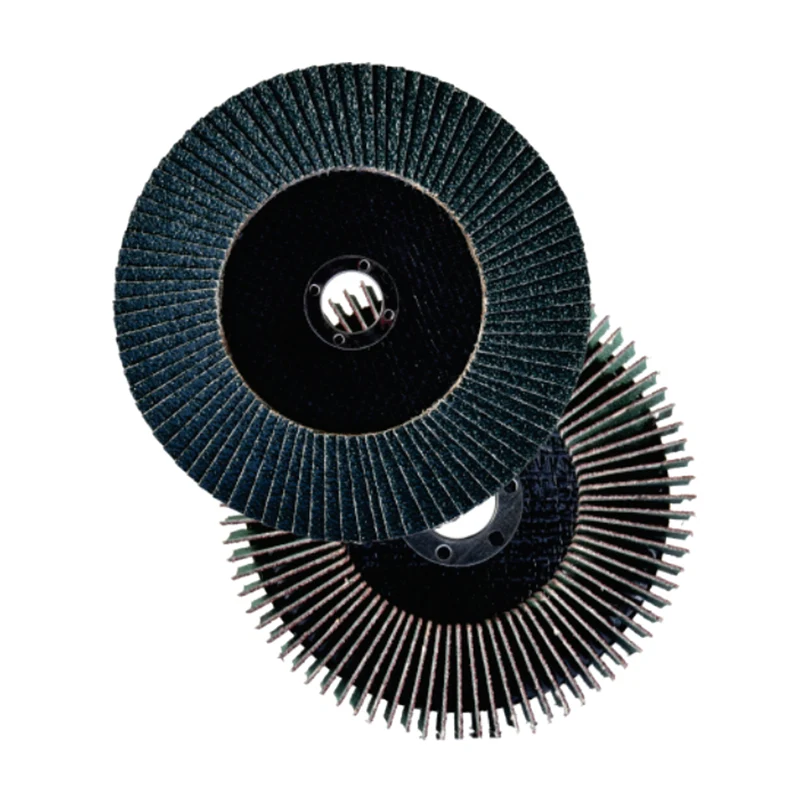
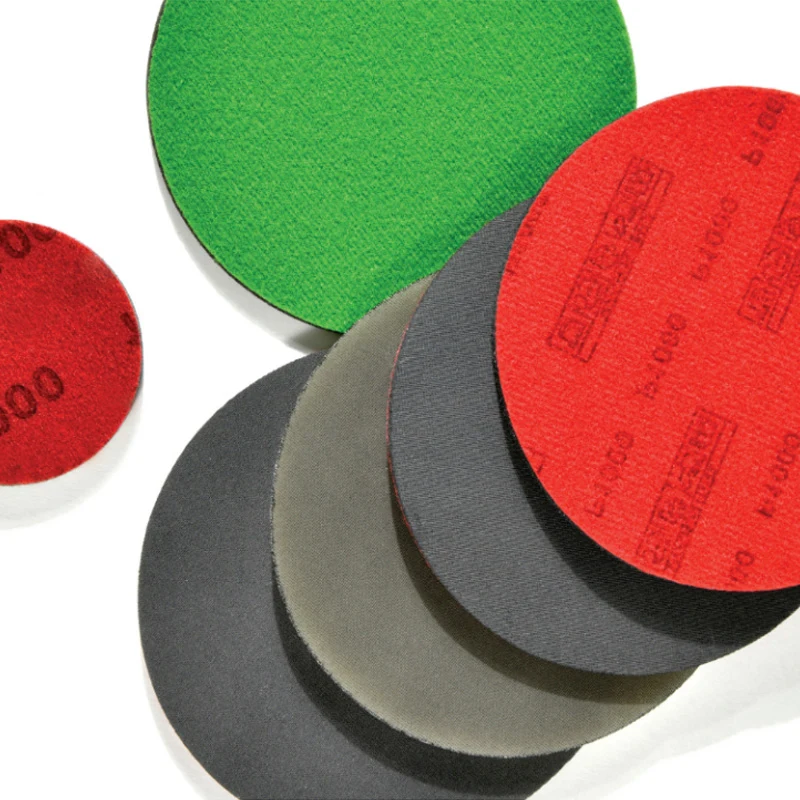
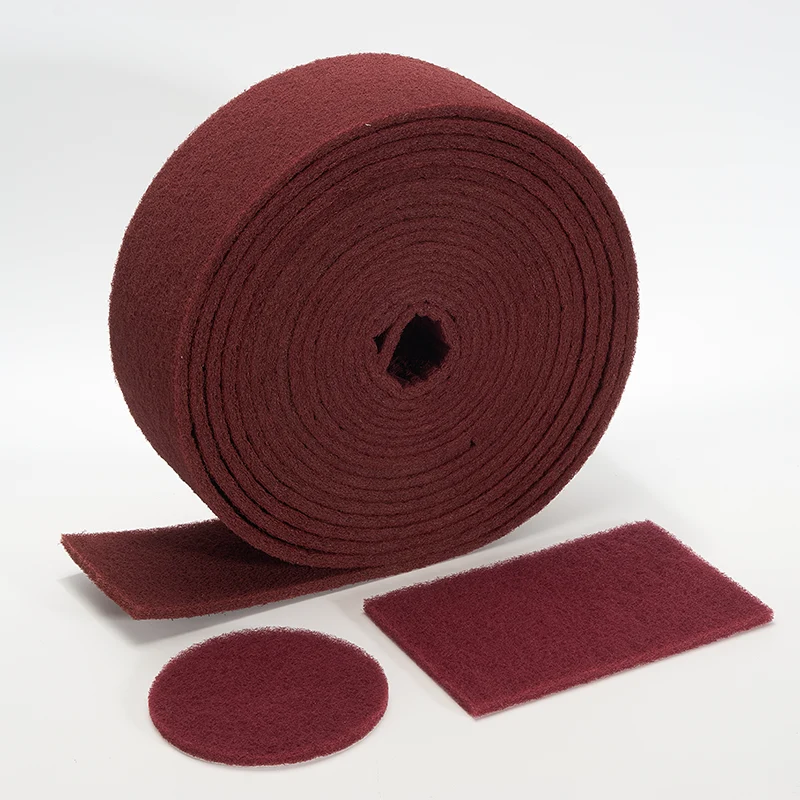
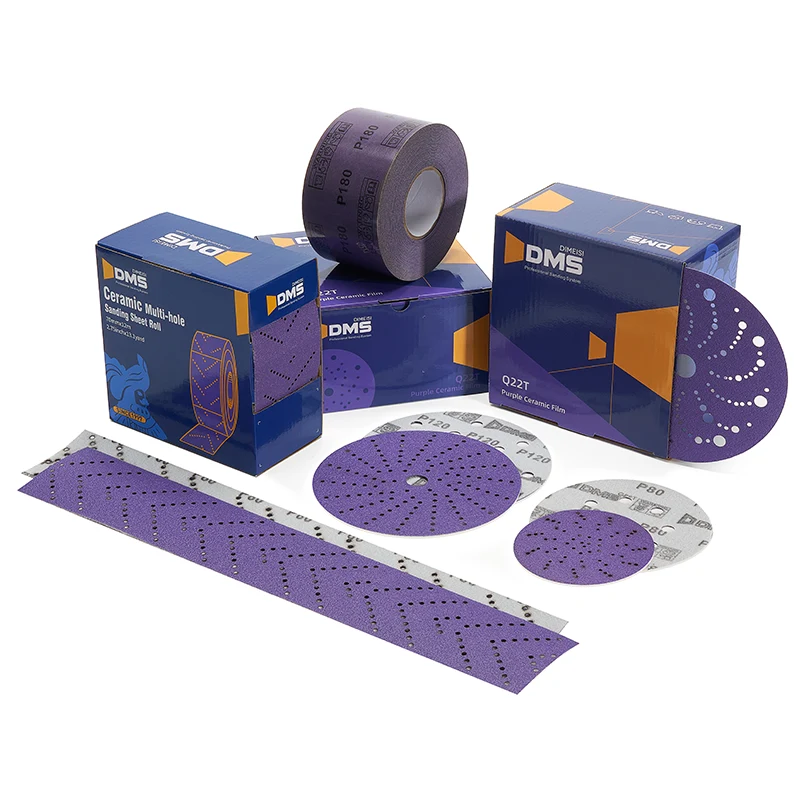
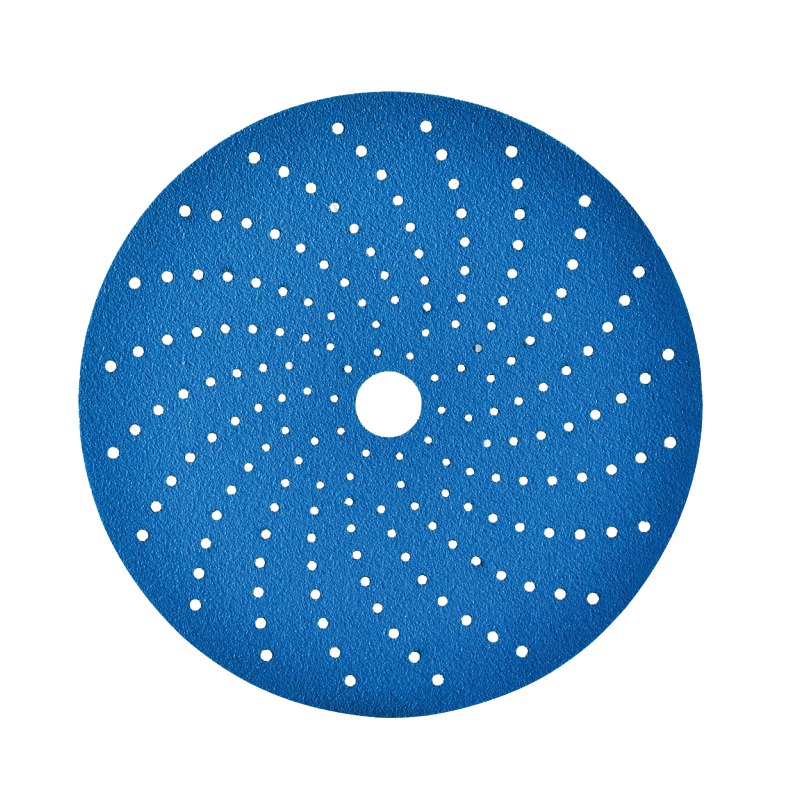
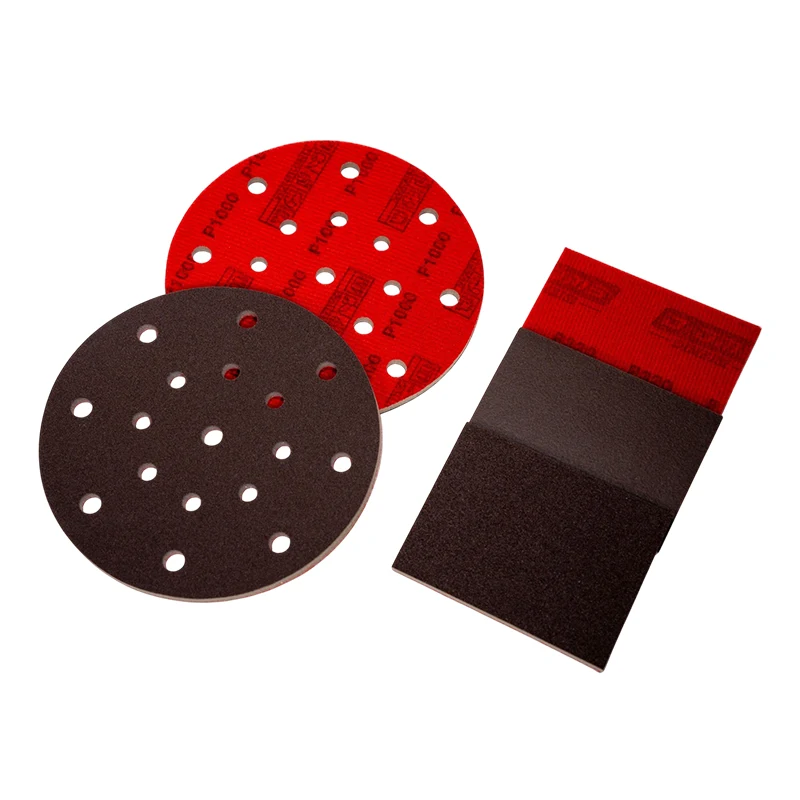
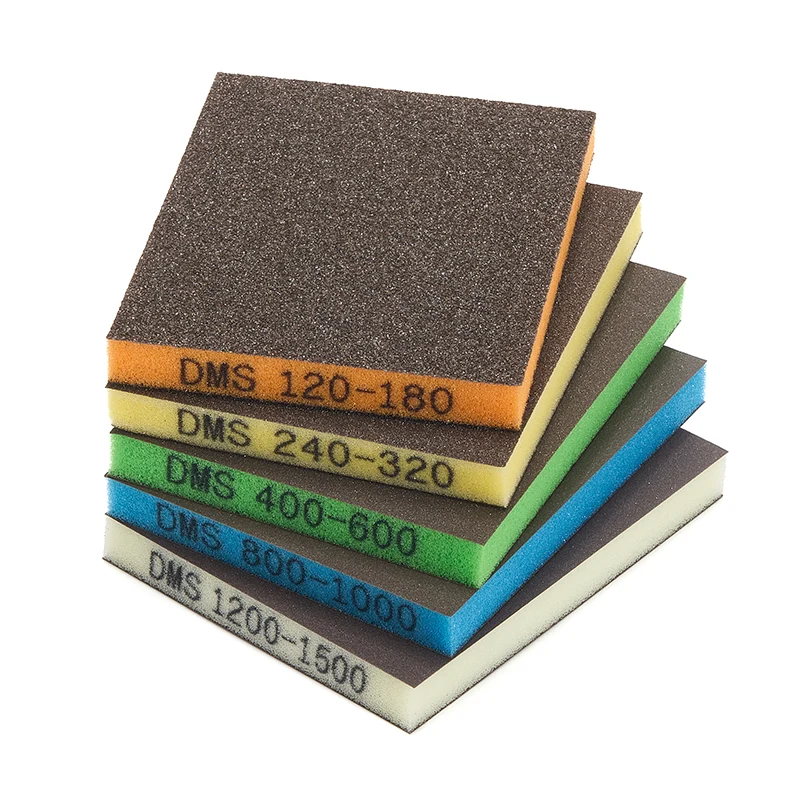
According to the different abrasives used, bonded grinding tools can be classified into common abrasive-bonded grinding tools and super-hard abrasive-bonded grinding tools. The former is made of common abrasives such as corundum and silicon carbide, while the latter is made of super-hard abrasives such as diamond and cubic boron nitride. In addition, there are some special varieties, such as sintered corundum grinding tools, etc.
Common abrasive bonded grinding tools are grinding tools in which common abrasives are bonded into a certain shape by binders and have a certain strength. It is generally composed of abrasives, binders and pores. These three parts are often referred to as the three elements of bonded grinding tools.
Abrasives play a cutting role in grinding tools. Binders are materials that consolidate loose abrasives into grinding tools, and they can be classified into inorganic and organic types. Inorganic binders include ceramics, magnesite and sodium silicate, etc. Organic ones include resins, rubbers and shellac, etc. Among them, the commonly used ones are ceramic, resin and rubber binders.
Pores play a role in accommodating and removing grinding chips during grinding, and can also hold coolant, which helps to dissipate grinding heat. To meet certain special processing requirements, the pores can also be impregnated with certain fillers, such as sulfur and paraffin, to improve the performance of the grinding tools. This filler is also known as the fourth element of the mold.
The items that represent the characteristics of common abrasive-bonded grinding tools include: shape, size of the abrasive, particle size, hardness, structure and binder. The hardness of a grinding tool refers to the ease with which abrasive grains fall off the surface of the tool under the action of external force. It reflects the strength of the binder in holding the abrasive grains.
Particle size refers to the size of abrasive particles. The particle size is divided into two categories: abrasive particles and fine powder. Abrasive materials with a particle size larger than 40μm for cylindrical grinding wheels are called abrasive grains. Classification is carried out by the screening method, and the particle size number is indicated by the number of holes per inch in length on the screen through which the abrasive particles pass. For instance, the abrasive particles of 60 # indicate that their size is just right to pass through a screen with 60 holes per inch in length. Abrasives with particle sizes less than 40μm are called micro-powders. Classification is carried out by microscopic measurement method. The particle size number is represented by W and the number following it, and the value after W represents the actual size of the micro-powder. For example, W20 indicates that the actual size of the micro-powder is 20μm.
We use cookies to offer you a better browsing experience, analyze site traffic and personalize content. By using this site, you agree to our use of cookies. Privacy Policy