
Industry News
 22 2026-07
 Automotive Sandpaper Manufacturer Recommendation | Dry & Wet Sanding, Round & Square Sheets, Direct Source Factory
On the procurement list for automotive body and paint supplies, sandpaper is often treated as a standard item. Checking the grit size, comparing prices, and reviewing samples—the process seems simple, but when it comes to actual use, you’ll find that even among automotive sandpapers of the same grit size, some remain sharp even after prolonged use, while others become clogged and unusable after only a short time. Behind this disparity lies the difference in the source factory’s comprehensive capabilities regarding abrasives, coatings, and quality control.
 03 2026-07
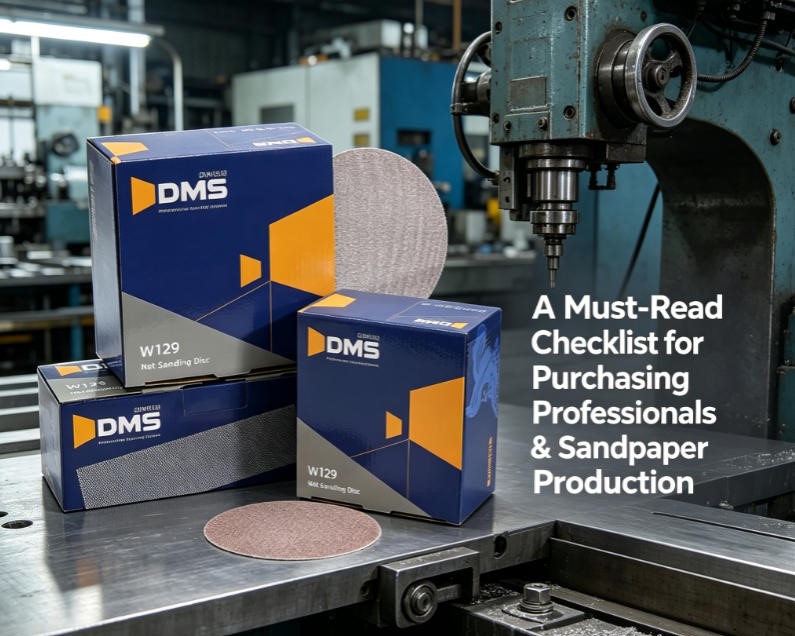
 A Must-Read Checklist for Purchasing Professionals: How to Avoid Sandpaper Manufacturers with Unstable Sandpaper Production?
Many procurement professionals have suffered setbacks precisely because of this: samples may appear flawless, but batch deliveries frequently fall short of expectations. The following three evaluation criteria can help you weed out sandpaper manufacturers with weak sandpaper production foundations at the source.
 03 2026-07
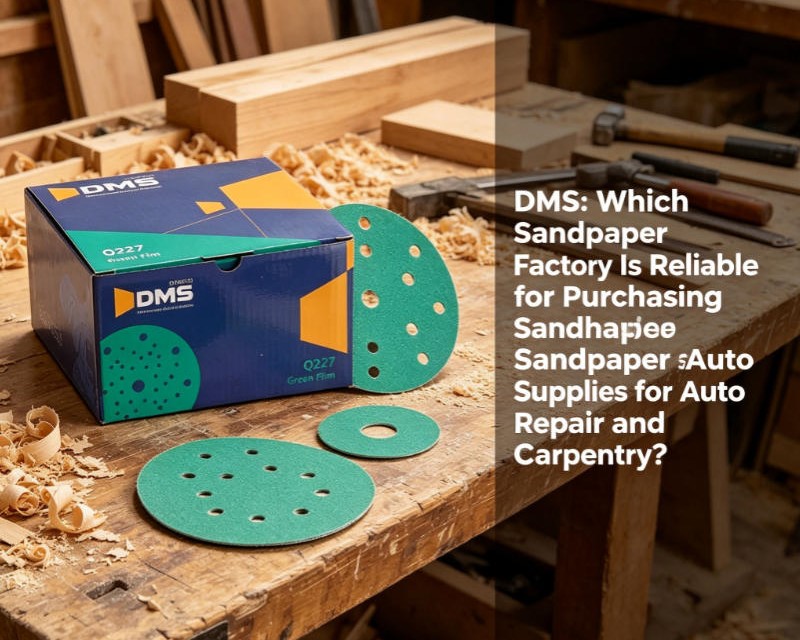
 Sandpaper Procurement: Which Sandpaper Factory Is Reliable for Purchasing Sandpaper Supplies for Auto Repair and Carpentry?
In the auto repair and woodworking industries, sandpaper turns over faster than other consumables—and this gap is where profits are eroded. The following four aspects distinguish a reliable sandpaper factory from ordinary ones.
 30 2026-06
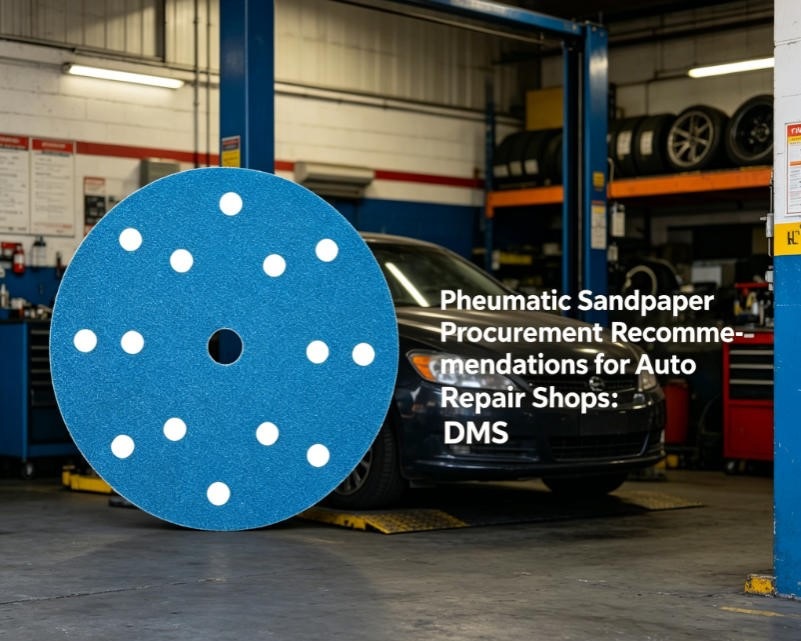
 Pneumatic Sandpaper Procurement Recommendations for Auto Repair Shops: Avoid Three Cost Pitfalls
Auto repair shops commonly face several challenges during sanding operations.Only by avoiding these pitfalls can you procure the right pneumatic sandpaper.
 29 2026-06
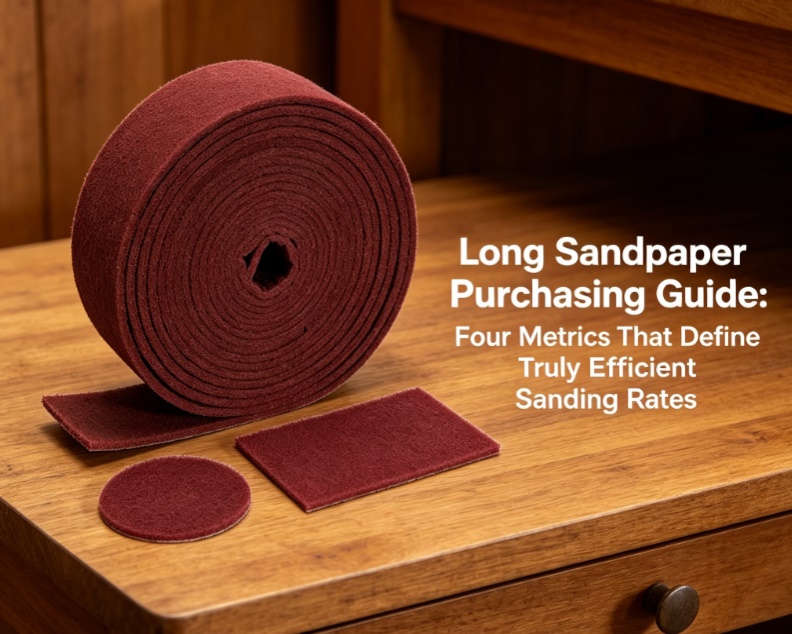
 Long Sandpaper Purchasing Guide: Four Metrics That Define Truly Efficient Sanding Rates
In industrial sanding operations, long sandpaper is one of the most heavily consumed materials. However, purchasing decisions often stop at the level of “just choosing the right grit,” overlooking the performance metrics that truly determine sanding results. The result is inconsistent surface quality, frequent sheet changes, and rising labor costs—yet the root cause of these problems is rarely traced back to the sandpaper itself.
 27 2026-06
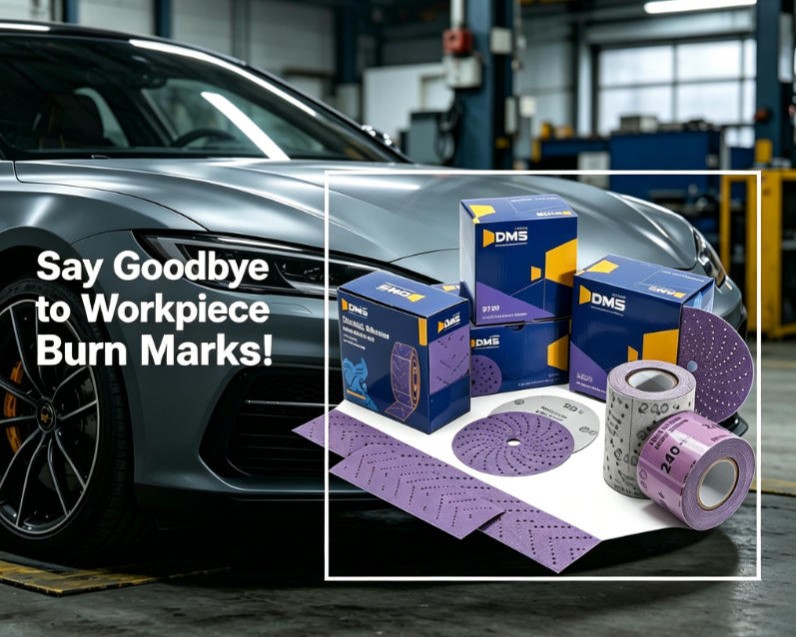
 Say Goodbye to Workpiece Burn Marks: An Analysis of the Process Advantages of Self-Sharpening Ceramic Abrasive Sandpaper Sets
If sandpaper loses its sharpness after just a few minutes, workers are forced to apply greater pressure, which not only causes the workpiece to overheat and burn but also significantly increases non-productive time. This is precisely where the Ceramic Abrasive Sandpaper Set differs fundamentally from traditional sandpaper.