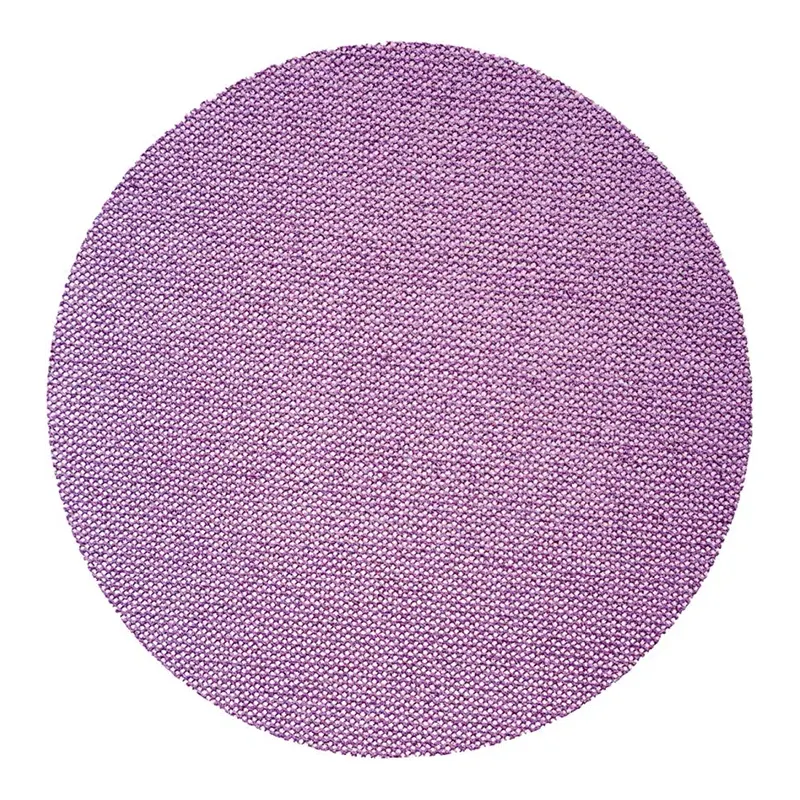
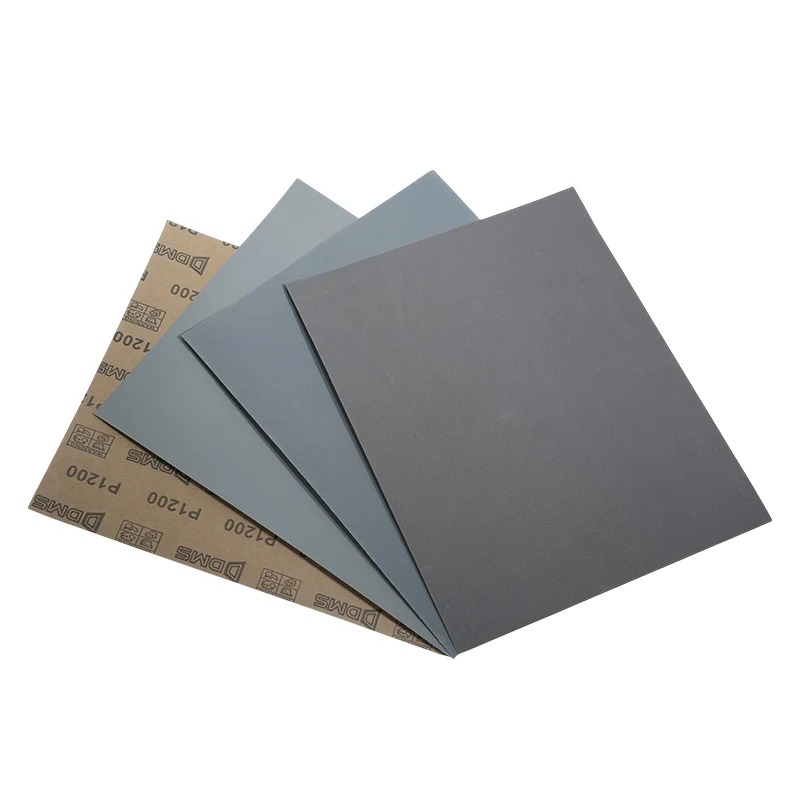
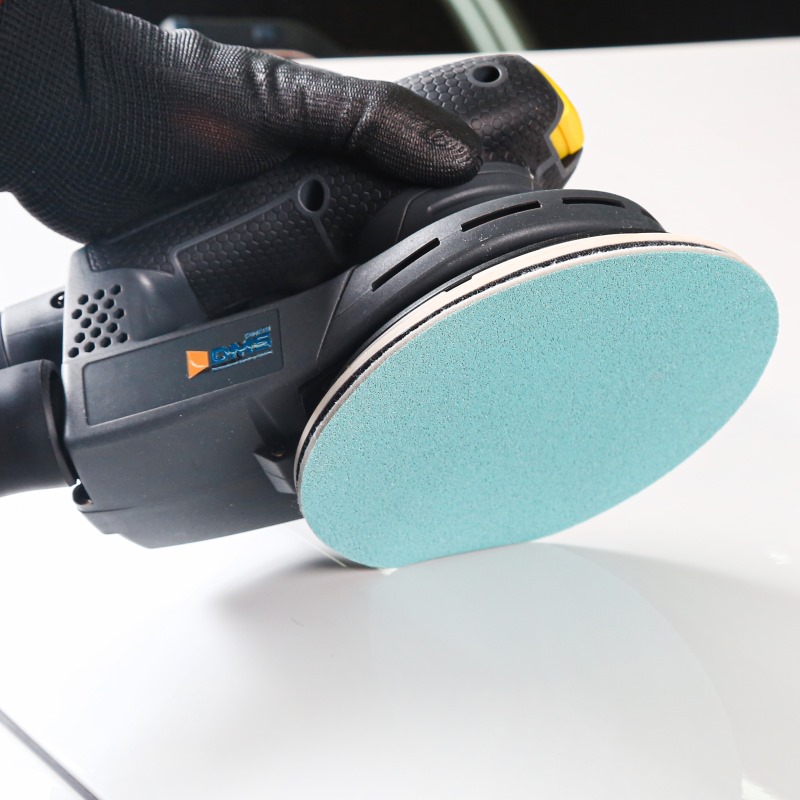
Roughness: Abrasives have a distinct tactile sensation and is often used to describe the texture of an object's surface.
Functionality: It has a grinding effect and removes surface materials of objects through friction.
2. Industrial application characteristics
High-efficiency processing: Enhance grinding efficiency and shorten processing cycles through high linear speeds (up to 4580m/s).
Wide applicability: It is applicable to fields such as metals (steel, titanium alloys), non-metals (ceramics, glass), and precision manufacturing (molds, semiconductors).
Heat dissipation performance: The open-pore structure or special binder design reduces the accumulation of grinding heat and lowers the thermal damage to the workpiece.
3. Key points for selection
Abrasive type: Alumina (a common metal), silicon carbide (a hard and brittle material), and diamond /CBN (a super-hard material) are selected based on the material.
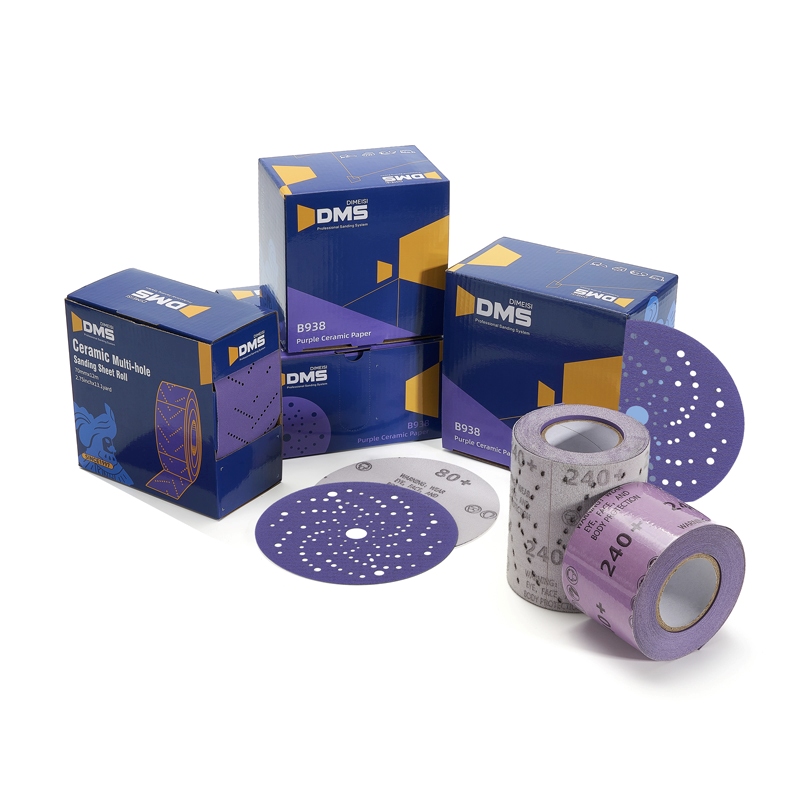
Granularity: 24 to 60 mesh (rough grinding), 80 to 180 mesh (semi-fine grinding), and over 220 mesh (polishing) can be adjusted according to the processing accuracy requirements.
Binder: Resin (impact resistance), ceramic (precision grinding), and metal (high durability) are selected based on the characteristics of the workpiece.
We use cookies to offer you a better browsing experience, analyze site traffic and personalize content. By using this site, you agree to our use of cookies.Privacy Policy