What Grit Size Should You Choose for Automotive Paint Sanding? A Guide to Using P80–P2000 Sandpaper
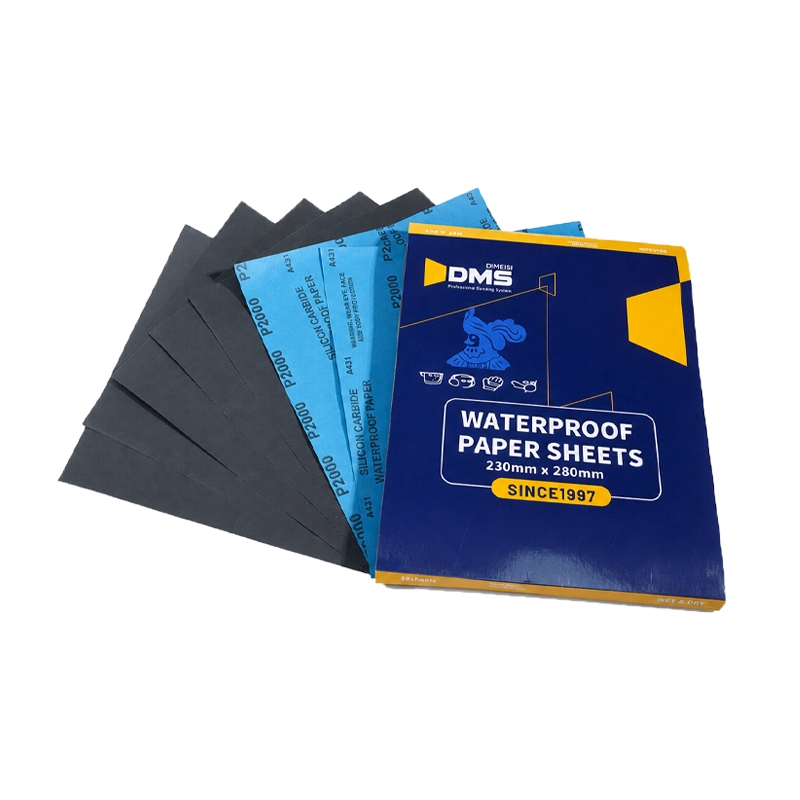
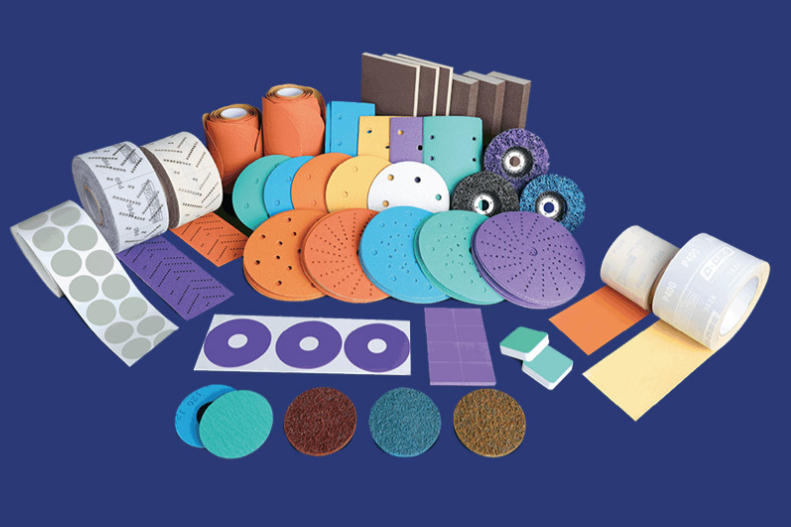
During the painting phase following automotive bodywork, selecting the correct grit size for P80 to P2000 sandpaper has a significant impact on the final result. When working, it is recommended to use wet/dry silicon carbide sandpaper and employ a wet sanding method. This helps lower the temperature of the paint surface, reduce dust, prevent sandpaper clogging, and avoid damaging the paintwork. Sanding must be performed in order from coarse to fine; do not skip grits. Gradually eliminate the scratches left by the previous grit to achieve a smoother paint surface. Below, DMS has compiled the recommended applications for each grit size.
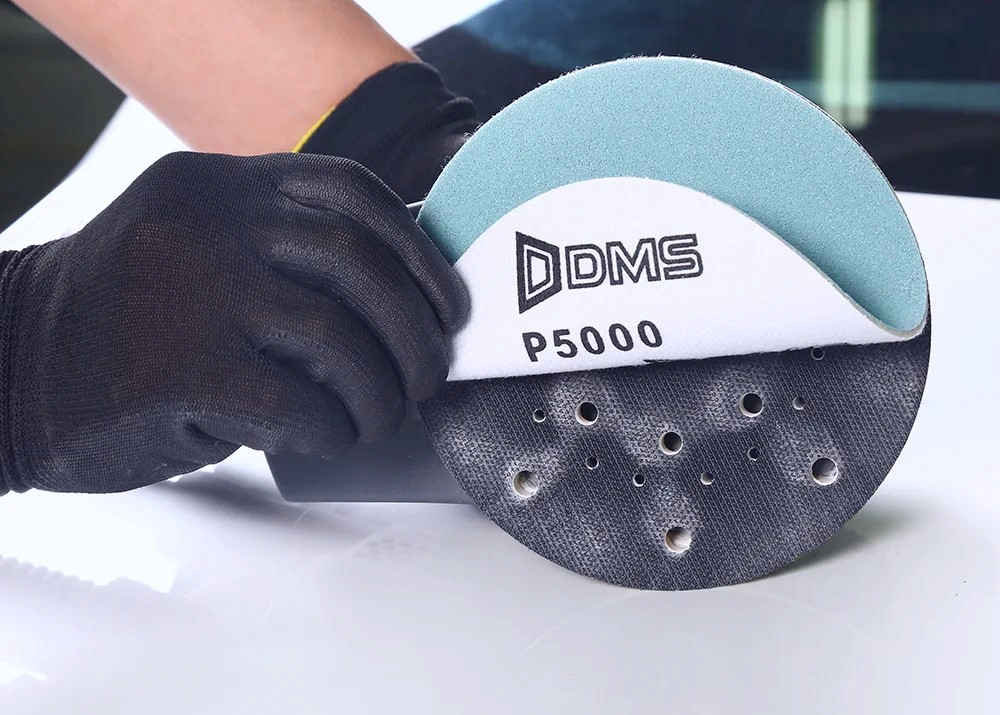
- P80 (Coarse Grit)
Used for sanding bare metal, removing old paint, or peeling clear coat. Do not use on intact paint, as it will leave deep scratches. Can be used to sand rusted metal or smooth body filler; follow up with P120 fine sanding.
- P120 (Medium-Coarse)
Removes P80 sanding marks from bare metal surfaces and ensures body filler aligns with the vehicle’s contours; used exclusively for pre-paint preparation.
- P180 (Medium)
The primary grit for sanding automotive primer; can also be used to sand metal to improve primer adhesion.
- P204 (Medium-Fine Grit)
Used for final primer sanding before applying color paint or clear coat to remove P180 marks.
- P320 (Fine Grit)
Used for touch-ups on clear coat or topcoat, as well as pre-treatment before repainting, to sand the area around the repair site.
- P400 (Extra-Fine Grit)
The standard grit for light paint surface repairs and pre-treatment before clear coat polishing.
- P600-P800 (Ultra-Fine Grit)
Commonly used for moderate paint surface defect repairs; removes marks from the previous grit and refines the surface to a polishable condition.
- P1000-P1500 (Ultra-fine grit)
For fine paintwork restoration, removing fine scratches, and restoring the paint’s gloss.
- P2000 (Ultra-ultra-fine grit)
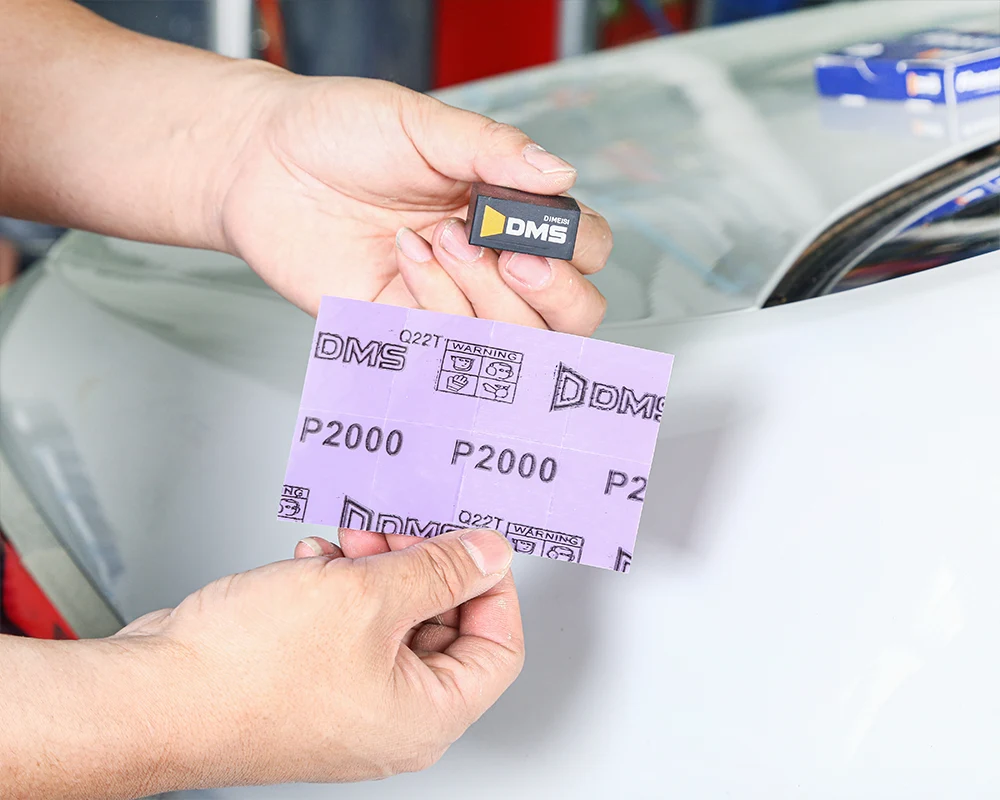
The final wet-sanding grit for a mirror-finish surface, suitable for pre-treatment of high-gloss clear coat or as a base for ceramic coating.
Sanding Steps Reference
|
Sanding Process |
Sandpaper Grit Progressive Sequence |
|
Bare metal/Body filler sanding |
P80 → P120 → P180 |
|
Primer sanding |
P180 → P240 |
|
Light paint correction |
P400 → P600 → P800 |
|
High-gloss mirror finish sanding |
P800 → P1000 → P1500 → P2000 |
DMS Sanding Tips:
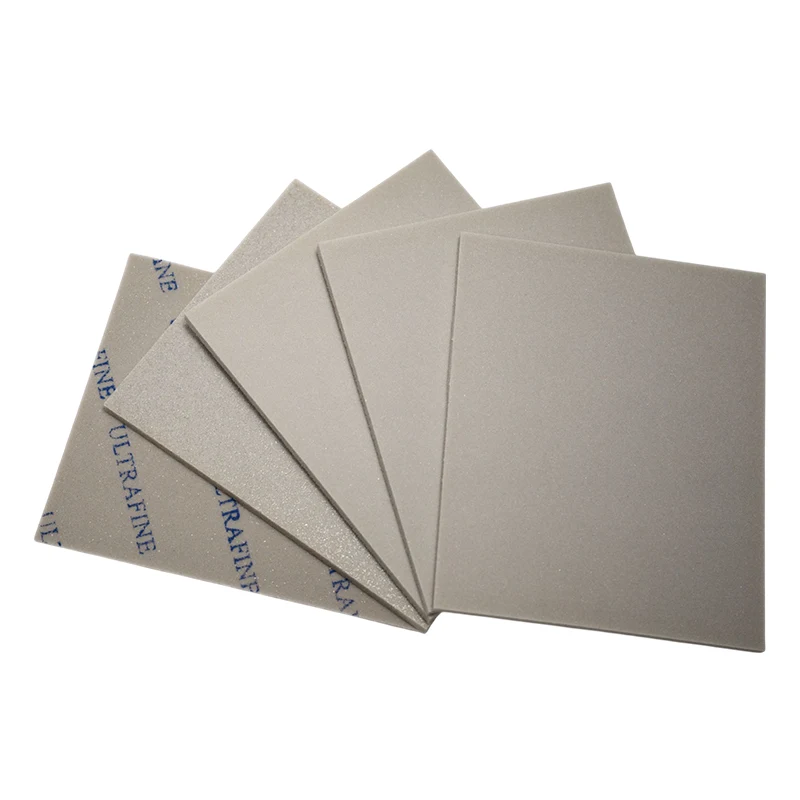
When sanding, apply pressure using a sanding block or sponge pad. After changing to a new grit, wipe the paint surface with a slightly damp cloth to inspect it. Polish immediately after final sanding, selecting a polishing compound based on the sandpaper grit. Be careful not to over-sand, as this may thin the clear coat. By selecting the correct sandpaper grit according to your needs and following proper sanding principles, you can prepare an excellent base for subsequent processes.
Related News
- Getting Wave Marks? Issues to Check When Using Pneumatic Sandpaper
- What Are the Benefits of Eco-Friendly Ceramic Sandpaper for Low-Dust Sanding?
- What Leads to Peeling of the Waterproof Coating on Wet Sandpaper? Key Usage Tips
- Ceramic Sandpaper vs Silicon Carbide Sandpaper: How to Pick for Your Grinding Job
- Why Anti Static Fine Sandpaper Matters in Electronics Manufacturing
- Is Porous Dust-Collecting Automotive Sandpaper Worth the Switch?
Leave me a message