Why is water-resistant sandpaper disc ideal for grinding curved surfaces?
The core challenge in grinding curved products lies in ensuring the abrasive tool closely conforms to the surface curvature to prevent uneven grinding and scratching the workpiece. Water-resistant sandpaper disc excels in meeting this requirement due to its material properties and structural design, making it the preferred abrasive for curved surfaces. What are the key reasons for its suitability? DMS may provide the answer.

Exceptional Flexibility for Effortless Curved Surface Conformity
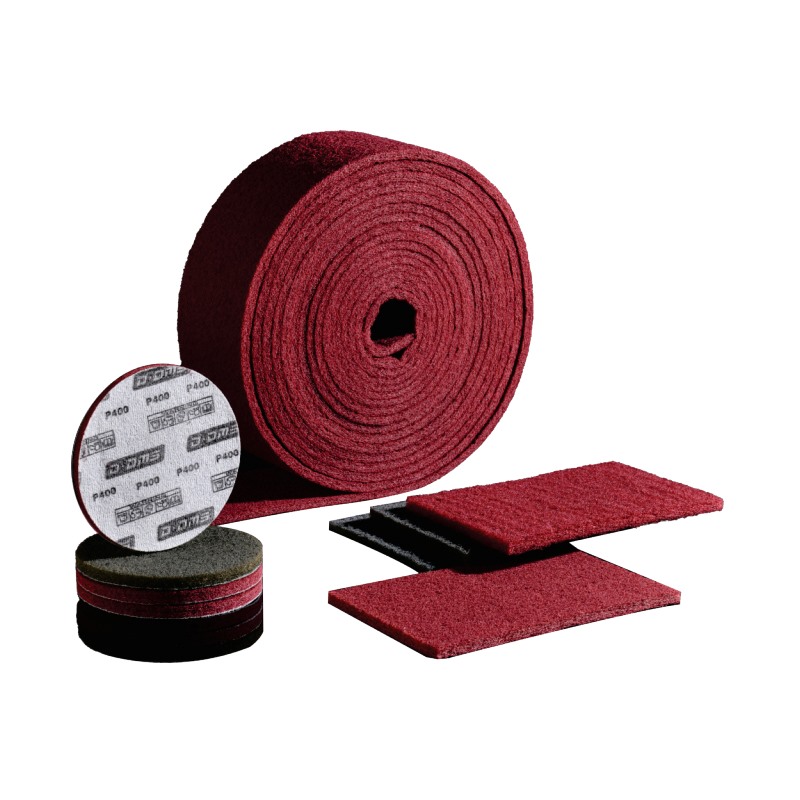
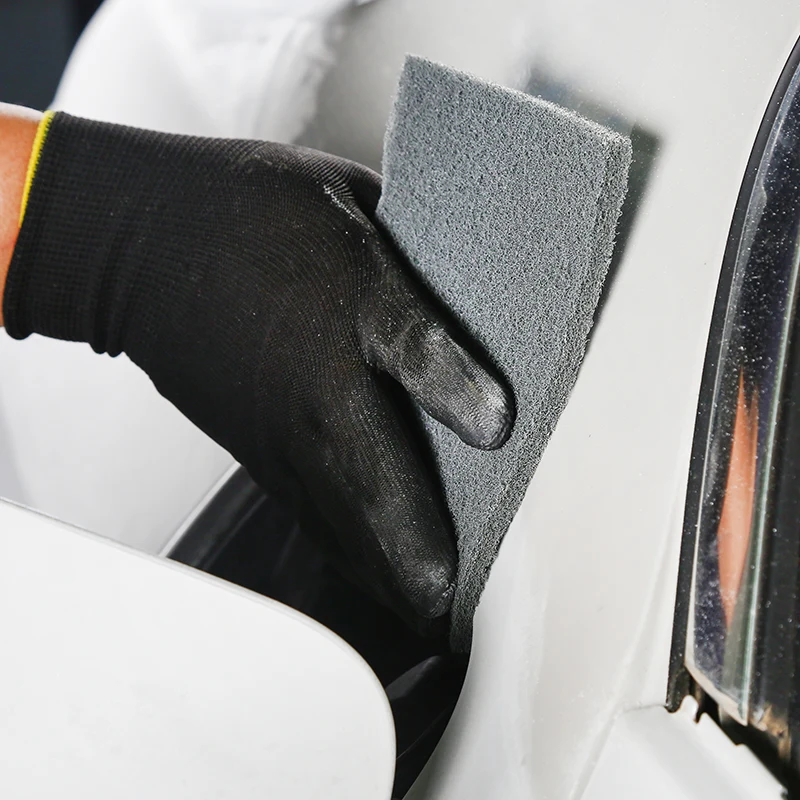
First, water-resistant sandpaper discs exhibit exceptional flexibility, allowing them to conform seamlessly to curved surfaces. Compared to standard sanding discs, their backing material is softer, enabling natural bending under pressure to match surface contours without stiffness or resistance. This ensures comprehensive coverage of arcs, waves, and other complex curves, guaranteeing uniform pressure distribution during grinding to prevent missed spots or over-grinding.
Wet Sanding Capability Reduces Surface Scratches
Second, it supports wet sanding during the process, minimizing scratch formation. Water-resistant sandpaper discs are designed for wet sanding. When water is applied, it reduces friction between the abrasive and the curved workpiece, decreases dust generation during sanding, and prevents surface scratches caused by abrasive particles getting stuck. This results in smoother, finer curved surfaces, meeting the surface flatness requirements of curved products.

Stable Abrasive for Extended Grinding
Additionally, the water-resistant sandpaper disc features strong abrasive adhesion, making it suitable for prolonged curved surface grinding. Curved grinding requires frequent angle adjustments, yet the disc's abrasives resist shedding, maintaining consistent cutting power. Its wear-resistant and durable construction accommodates various curved materials without frequent tool replacement.
In summary, the water-resistant sandpaper disc excels in addressing core challenges of curved surface grinding through its outstanding flexibility, wet grinding advantages, and stable performance. It ensures uniform grinding while optimizing surface quality, making it highly practical for meeting the grinding needs of various curved products.
Related News
- Getting Wave Marks? Issues to Check When Using Pneumatic Sandpaper
- What Are the Benefits of Eco-Friendly Ceramic Sandpaper for Low-Dust Sanding?
- What Leads to Peeling of the Waterproof Coating on Wet Sandpaper? Key Usage Tips
- Ceramic Sandpaper vs Silicon Carbide Sandpaper: How to Pick for Your Grinding Job
- Why Anti Static Fine Sandpaper Matters in Electronics Manufacturing
- Is Porous Dust-Collecting Automotive Sandpaper Worth the Switch?
Leave me a message