What is a Sponge Sanding Disc? How Does Wet Sanding Excel Over Dry Sanding?
In the field of sanding and finishing, the Sponge Sanding Disc is a highly favored flexible tool widely used in woodworking, metal fabrication, and other industries, offering significant convenience to professionals. When it comes to sanding methods, wet sanding and dry sanding each have their distinct characteristics. So, how does wet sanding outperform dry sanding? DMS shares the insights.
Our answer is: Wet sanding offers significant advantages in most scenarios.

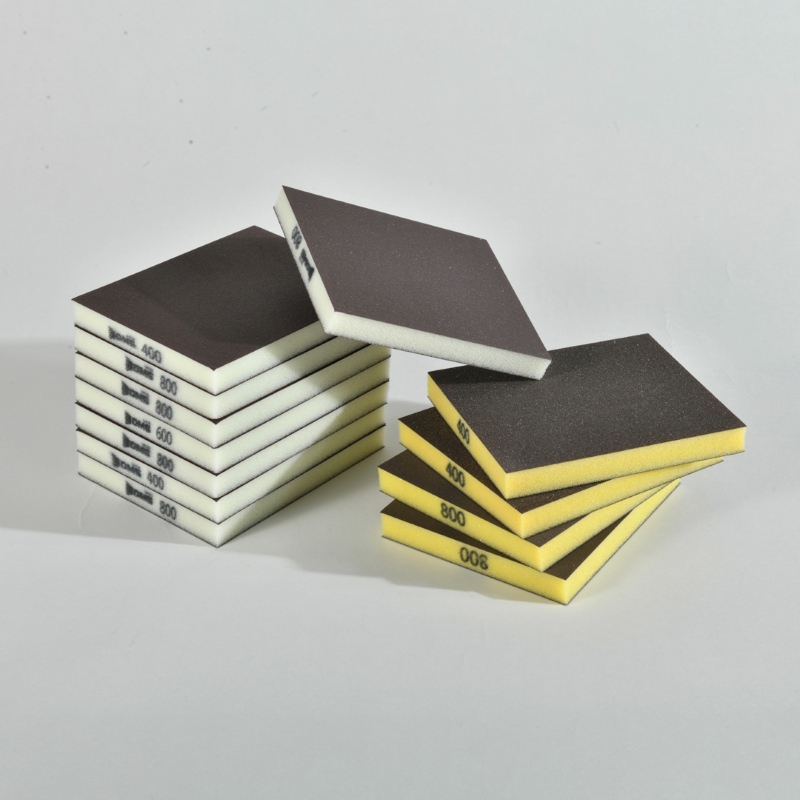
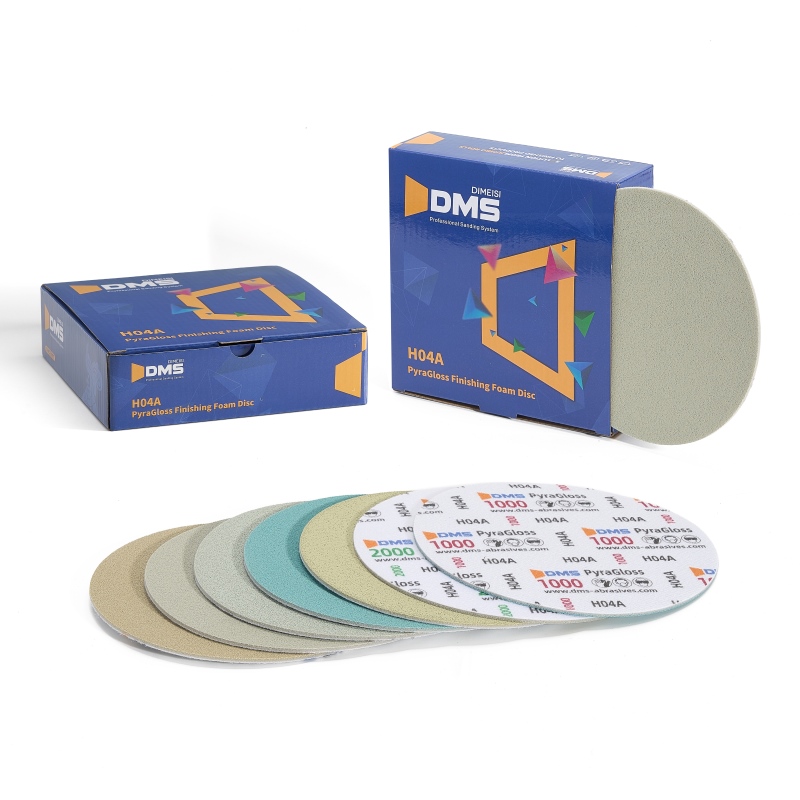
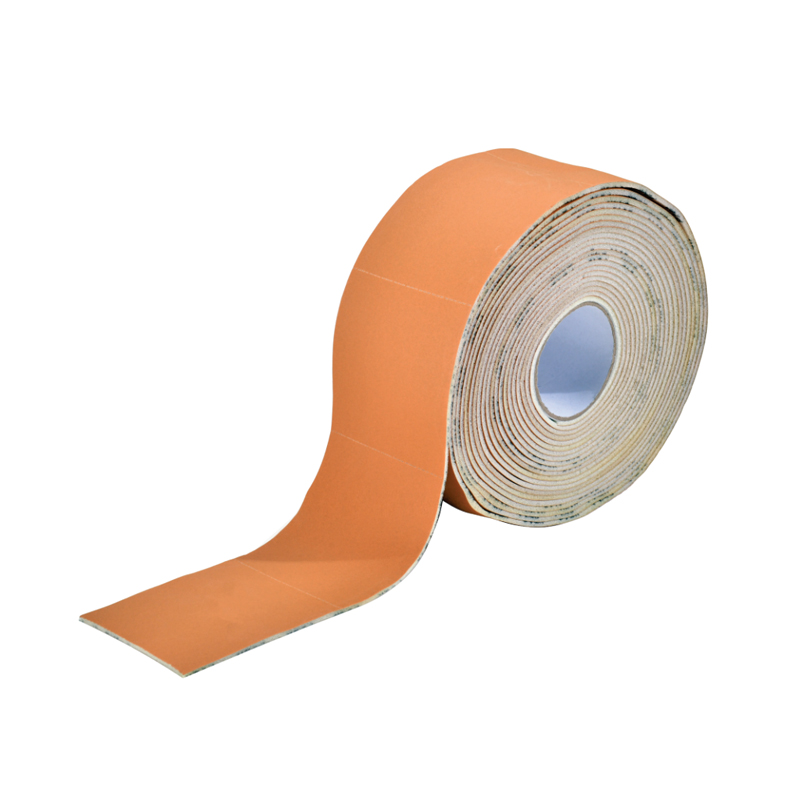
Sponge sanding discs feature a high-density flexible sponge base uniformly coated with premium abrasives. Their soft texture allows for free bending, enabling effortless sanding of flat surfaces while conforming to irregular shapes, edges, and corners—eliminating the dead spots common with traditional tools. Premium sponge sanding discs resist wear without shedding grit, minimize scratches on workpieces, and work effectively on materials like wood and metal—making them a highly efficient and practical sanding tool.
Wet sanding involves moistening the workpiece and sponge sanding disc with water or specialized sanding fluid during use. Compared to dry sanding, its advantages are clear.
First, it cools and protects the workpiece. Friction heat generated during dry sanding can damage both the workpiece and the sanding pad. The moisture in wet sanding rapidly dissipates heat, preventing overheating and extending the pad's lifespan.
Second, it reduces dust. Dry sanding creates airborne dust that poses health risks. Wet sanding traps and carries away dust particles with water, making it both eco-friendly and healthier.
Third, improved surface finish. Dust in dry grinding often causes uneven scratches, while wet grinding promptly flushes away debris, resulting in a smoother, more lustrous finished surface.
Fourth, smoother grinding. Debris clogs abrasives in dry grinding, whereas wet grinding's water flushes away particles, maintaining the disc's grinding performance and boosting efficiency.
Fifth, surface protection. Dry sanding risks static-induced impurity adhesion and workpiece scratches, while wet sanding eliminates static, lubricates surfaces, and prevents damage.
In summary, sponge sanding discs adapt to diverse scenarios. Wet sanding, with its numerous advantages, outperforms dry methods in most professional applications. By mastering its techniques and usage, users can significantly boost sanding efficiency and product quality, making the process easier and more effective.
Related News
- Getting Wave Marks? Issues to Check When Using Pneumatic Sandpaper
- What Are the Benefits of Eco-Friendly Ceramic Sandpaper for Low-Dust Sanding?
- What Leads to Peeling of the Waterproof Coating on Wet Sandpaper? Key Usage Tips
- Ceramic Sandpaper vs Silicon Carbide Sandpaper: How to Pick for Your Grinding Job
- Why Anti Static Fine Sandpaper Matters in Electronics Manufacturing
- Is Porous Dust-Collecting Automotive Sandpaper Worth the Switch?
Leave me a message