Ceramic Sandpaper: A High-Performance Choice for Faster Sanding and Longer Service Life
Ceramic sandpaper is a high-performance coated abrasive designed for faster cutting, longer life and more consistent sanding results. It is widely used in automotive refinishing, body repair, industrial sanding, woodworking and metal preparation where standard sandpaper may wear too quickly or lose cutting power.
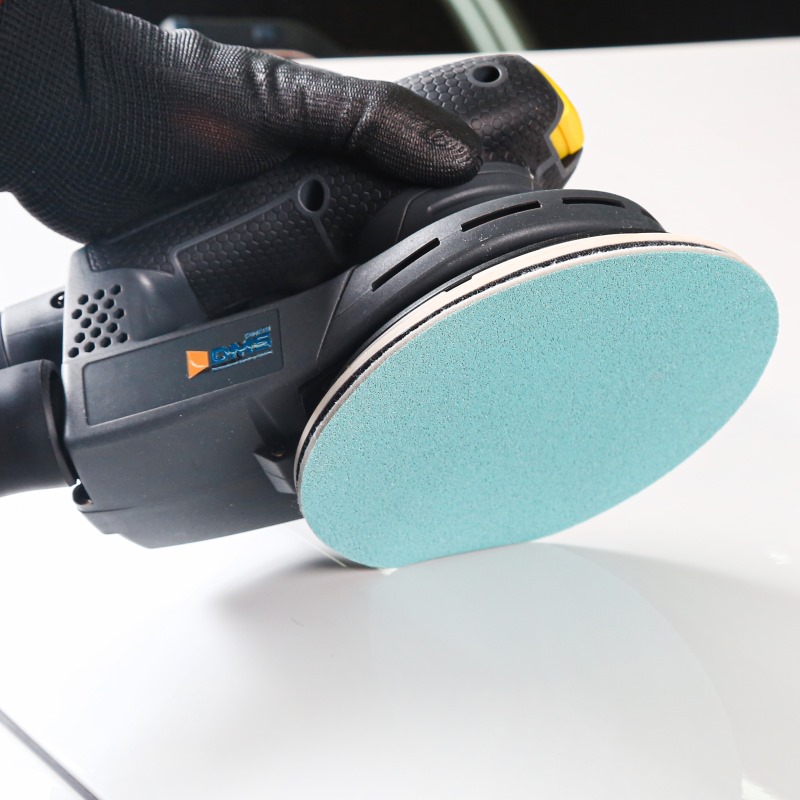
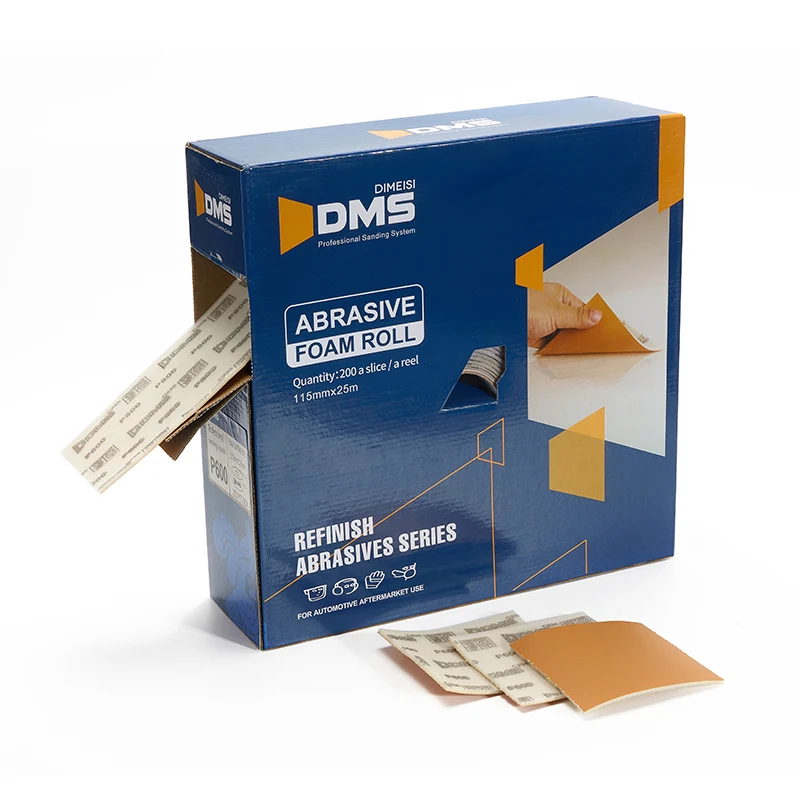
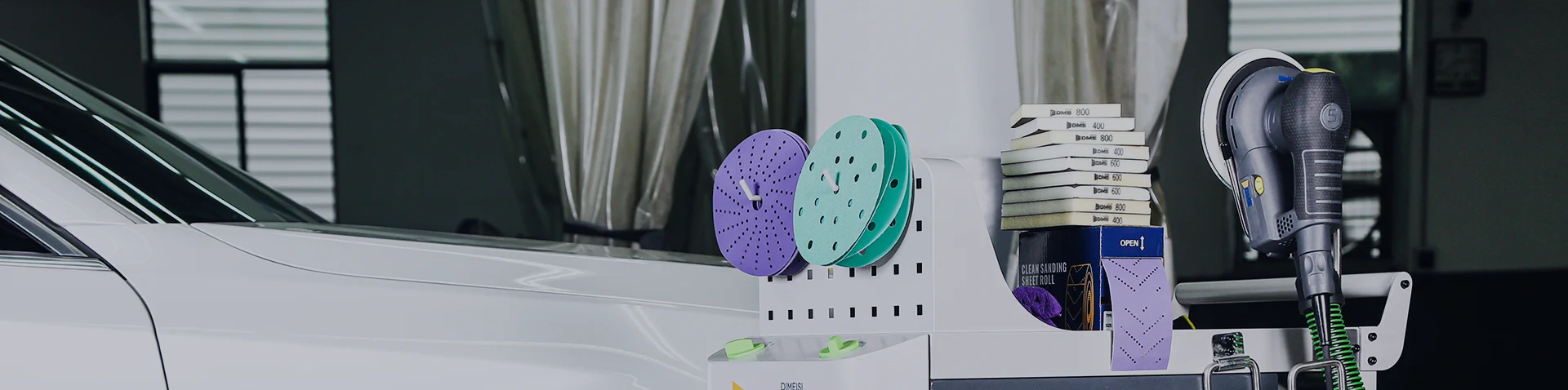
DMS provides ceramic sandpaper in several constructions, including ceramic film discs, ceramic paper discs, ceramic net abrasives and ceramic sponge rolls. This allows users to choose the right product for machine sanding, hand sanding, dust-free sanding, curved surface finishing and precision repair work.
What Makes Ceramic Sandpaper Different?
Ceramic sandpaper uses ceramic abrasive grain, which is harder and more durable than many conventional abrasive grains. During sanding, ceramic grain can micro-fracture and create new sharp cutting points. This helps the abrasive keep cutting instead of becoming dull too early.
For customers, the benefit is practical: fewer disc changes, better cutting consistency, less time lost during sanding and a more stable scratch pattern. In professional environments, ceramic sandpaper can reduce both abrasive consumption and rework.
Ceramic Film Sandpaper
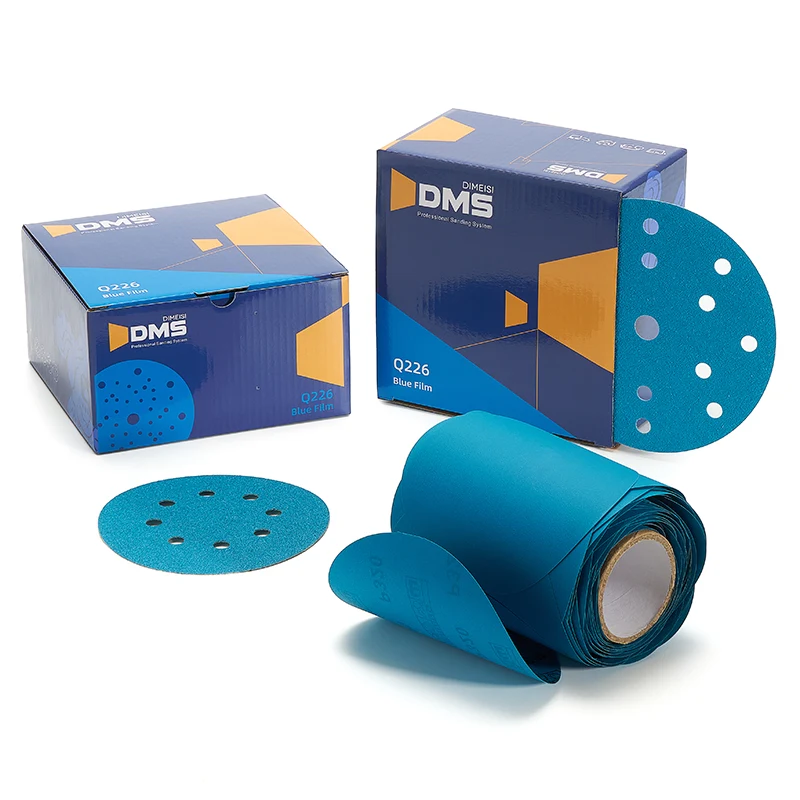
Ceramic film sandpaper is one of the most important high-performance abrasive formats for automotive and industrial users. A film backing is strong, flat and resistant to tearing. It helps produce a uniform scratch pattern, which is especially valuable before painting or finishing.
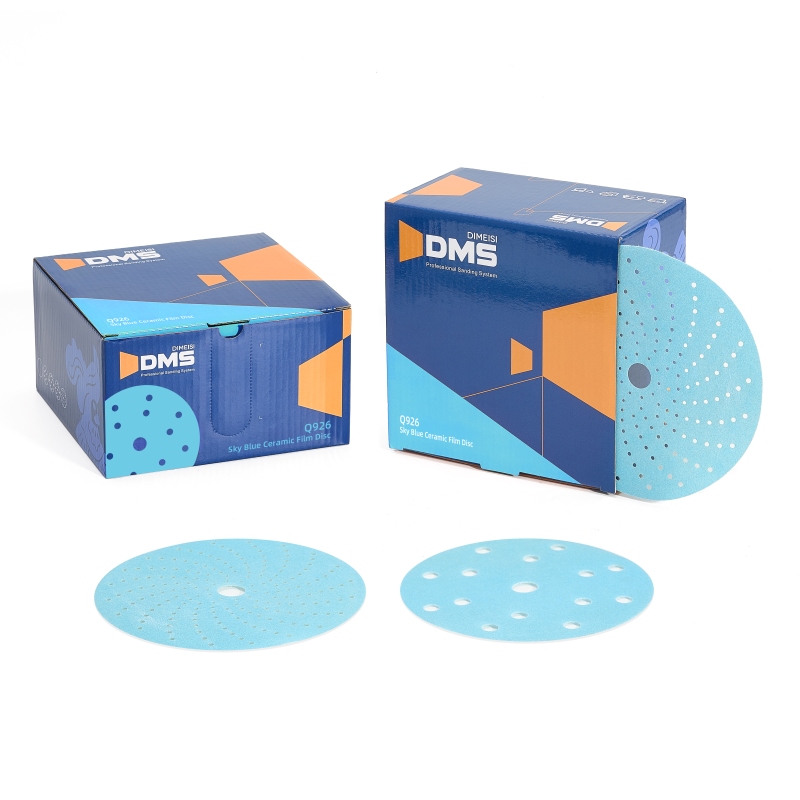
DMS Q926 Sky Blue Ceramic Film is designed as a premium ceramic film abrasive. It combines mixed ceramic abrasive grain with PET film backing and an open-coat structure. It is suitable for aggressive sanding, primer leveling, paint preparation and demanding dry sanding applications.
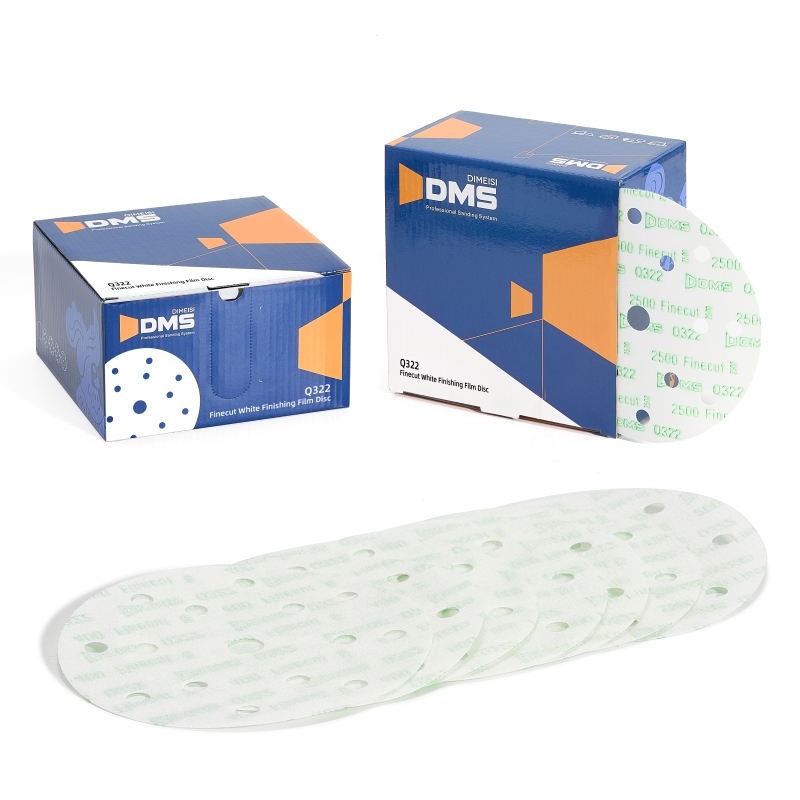
DMS Q22T Purple Ceramic Film and Q227 Green Film are also suitable for users who need stronger cutting performance, good tear resistance and longer sanding life. These products are recommended for customers looking for an upgrade from standard film discs.
Ceramic Paper Sandpaper
Ceramic paper sandpaper is a practical choice for users who prefer the feel and flexibility of paper-backed abrasives but still want the benefits of ceramic cutting performance.
DMS B938 Purple Ceramic Paper uses mixed ceramic abrasives with premium latex paper backing. It is designed to provide high sharpness, strong scratch control, anti-clogging performance and uniform results. It can be used in automotive repair, furniture sanding, general surface preparation and hand or machine sanding applications.
Compared with basic paper sandpaper, ceramic paper offers better life and cutting performance, making it suitable for customers who care about both efficiency and cost control.
Ceramic Net Sandpaper
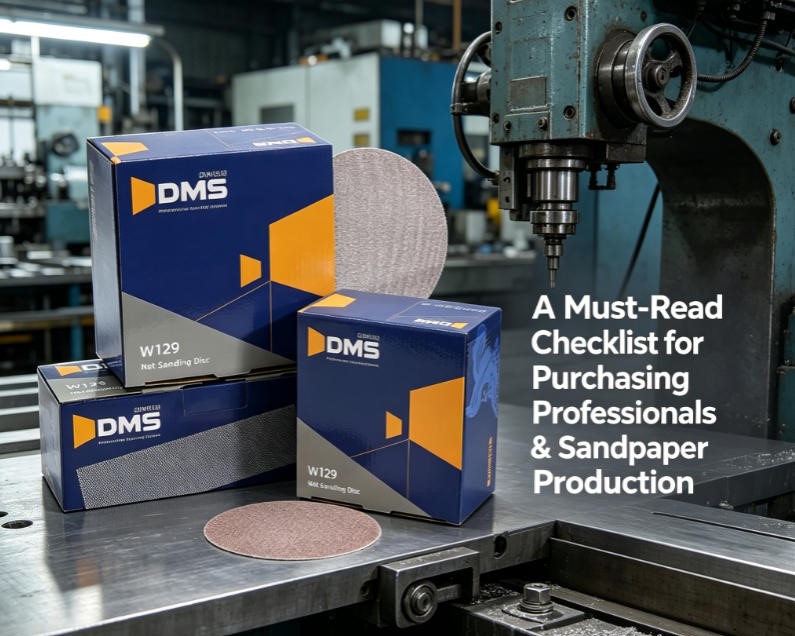
Net abrasives are designed for better dust extraction. DMS W198 Purple Ceramic Net Abrasives combine ceramic abrasive performance with a net backing structure. Dust can pass through the net and be removed more efficiently by a vacuum sanding system.
This helps reduce clogging, improves sanding visibility and supports a cleaner working environment. Ceramic net sandpaper is particularly useful for primer sanding, filler sanding, wood sanding and other dry sanding tasks where dust can quickly affect abrasive performance.
Ceramic Sponge Rolls and Flexible Products
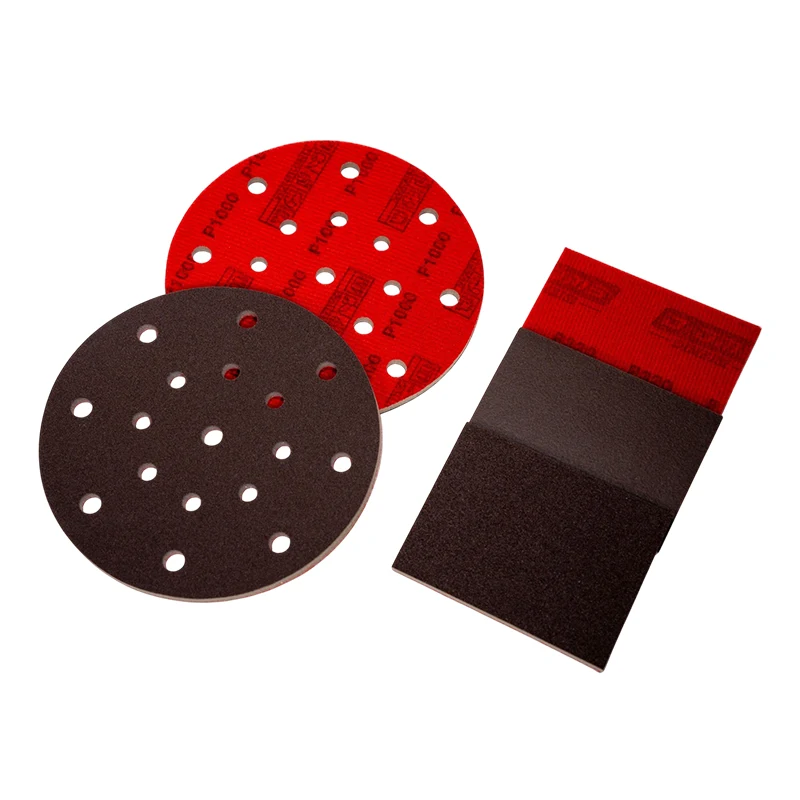
Ceramic sandpaper is not limited to flat discs. DMS B938 Sanding Sponge Roll uses mixed ceramic abrasive grain with a premium latex paper-sponge structure. It is designed for sharp cutting, elastic support and better hand sanding control.
Sponge rolls are useful for automotive edges, curved panels, furniture corners and shaped workpieces. The flexible structure allows the abrasive to follow the contour of the surface, reducing the risk of over-sanding high points.
Common Applications of Ceramic Sandpaper
In automotive repair, ceramic sandpaper can be used for filler shaping, primer sanding, old paint removal, blending areas and pre-paint surface preparation. In industrial sanding, it can be used for composite parts, metal preparation, wood panels and high-volume sanding processes.
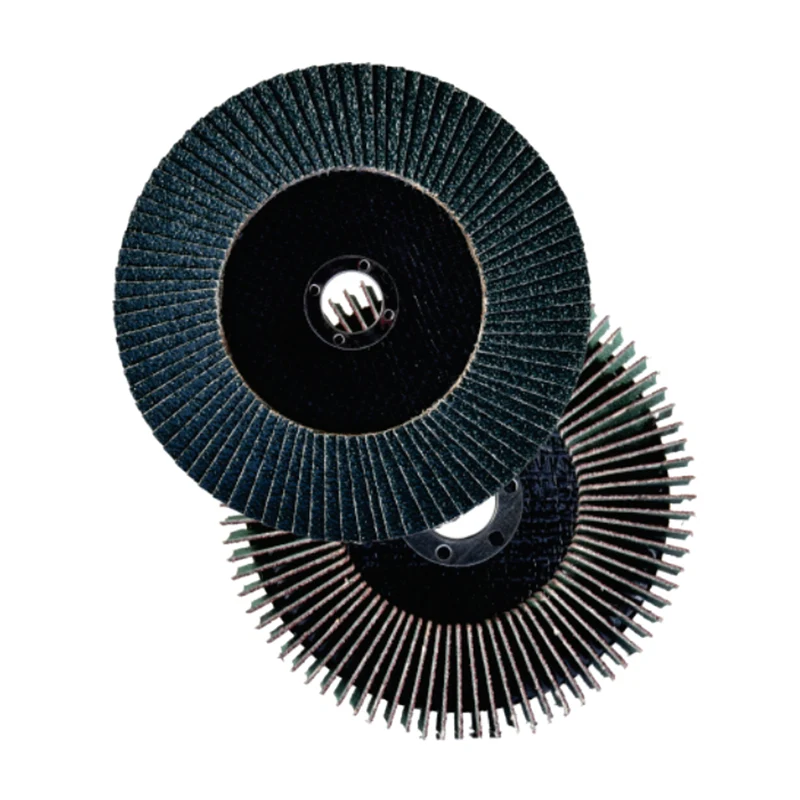
For metal and fabrication work, ceramic abrasives can also be used in flap discs and sanding belts. These formats are suitable for grinding, weld blending, deburring and surface preparation when stronger cutting force is required.
How to Choose Ceramic Sandpaper
Choose ceramic film sandpaper when you need strong backing stability, machine sanding performance and controlled scratch quality. Choose ceramic paper sandpaper when you need a familiar sanding feel with upgraded cutting power. Choose ceramic net abrasives when dust extraction and anti-clogging performance are priorities. Choose ceramic sponge rolls when the surface is curved, shaped or difficult to reach with a flat disc.
For professional users, the best approach is to match the abrasive construction to the process. Ceramic sandpaper performs best when it is used in the right sanding stage and with a suitable machine, pad and pressure.
Conclusion
Ceramic sandpaper is a practical upgrade for users who want better sanding speed, longer service life and more consistent surface quality. DMS ceramic sandpaper products, including Q926 Sky Blue Ceramic Film, Q22T Purple Ceramic Film, Q227 Green Film, B938 Purple Ceramic Paper, W198 Purple Ceramic Net Abrasives and B938 Sanding Sponge Roll, provide multiple options for automotive, industrial and finishing applications.
By selecting the right ceramic sandpaper construction, customers can improve productivity while maintaining better control over the sanding finish.
Frequently Asked Questions
| Question | Answer |
| Is ceramic sandpaper suitable for automotive repair? | Yes. Ceramic sandpaper is suitable for automotive filler shaping, primer sanding, paint removal and surface preparation, especially when faster cutting and longer life are required. |
| What is the difference between ceramic film and ceramic paper? | Ceramic film has a stronger and flatter PET backing for more consistent machine sanding. Ceramic paper offers a more traditional sanding feel and good flexibility. |
| Can ceramic net sandpaper reduce dust? | Yes. Net abrasives help improve dust extraction and reduce clogging when used with a suitable vacuum sanding system. |
- View as
Purple Ceramic Film
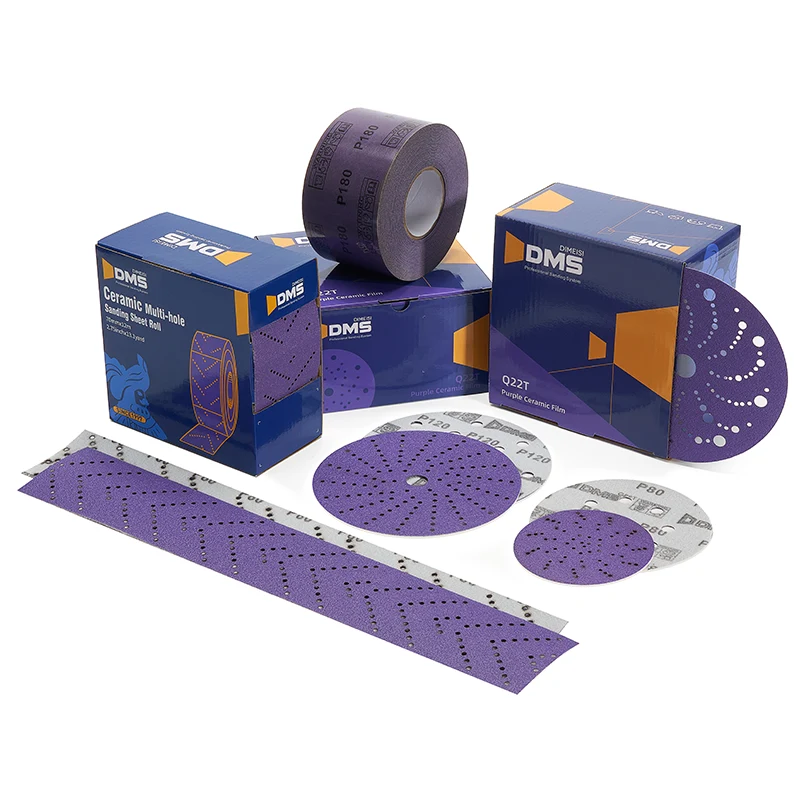
DMS Purple Ceramic Film, blended with high-quality ceramic abrasive and processed with a special technique, significantly enhances product sharpness for efficient grinding. Its special coating design greatly improves anti-clogging ability and extends product life. Excellent uniformity, using high-standard abrasive, results in even and consistent scratches. The product is also water-resistant, making it suitable for both wet and dry use; simultaneously, it boasts excellent toughness, tear resistance, and durability. The purple film is compatible with eccentric vibratory grinders and trays, significantly boosting grinding efficiency. Dongsheng abrasive cloth purple film offers a variety of sizes and grit options to fully meet your diverse needs.
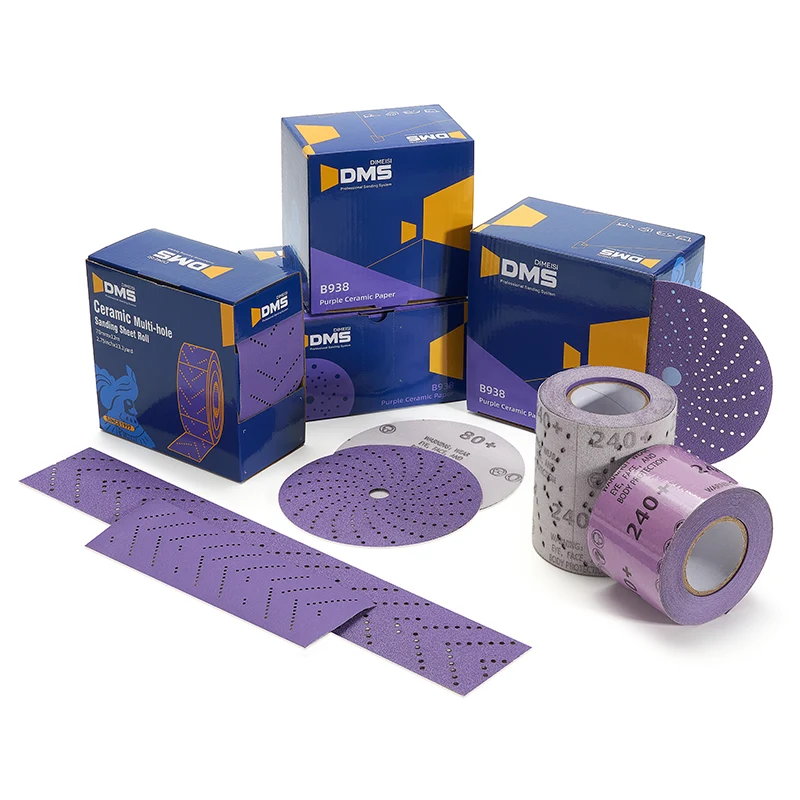
Purple Ceramic Sandpaper
DMS is a professional abrasive supplier. It has reliable manufacturing skills and focuses on high-performance grinding solutions. Its B938 Purple Ceramic Sandpaper has good mixed ceramic abrasive. It also has good anti-clog and dust-removal design. So the product’s quality and durability are guaranteed. Buying in large quantities is cheap. It works for efficient and healthy professional grinding.
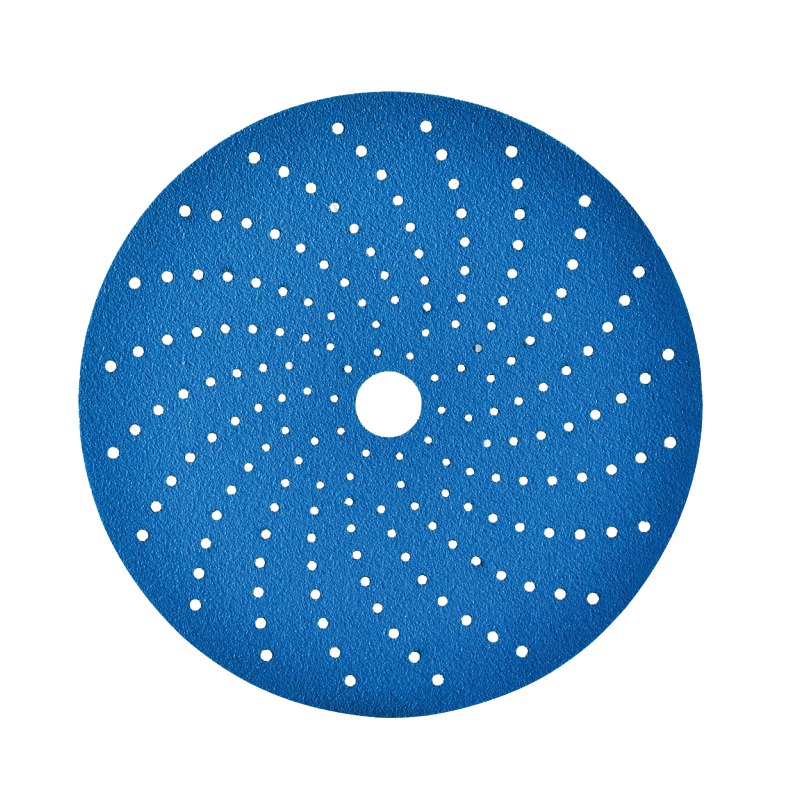
Blue Customized Sandpaper
DMS's Blue Customized Sandpaper features high-quality abrasives and a blue cloth backing. It is sharp, durable, clog-resistant, and does not shed grit. Available in custom sizes and grits, it is ideal for sanding wood, metal, furniture, and automotive paintwork. We invite you to purchase this product.

Anti-clogging green film
China's DMS Anti-clogging green film, with its hybrid ceramic abrasives for a highly efficient grinding experience, self-sharpening and anti-clogging properties, and support for wet and dry grinding, is the preferred solution for companies looking to purchase durable, environmentally friendly grinding consumables.
DMS is a professional Ceramic Sandpaper manufacturer and supplier in China. We warmly welcome you to wholesale high quality products at competitive price from our factory.