Reduce Clogging, Improve Efficiency: Automotive Sandpaper and Dust Extraction
During dry sanding of automotive body filler and primer, dust dispersion and sandpaper clogging are common problems faced by auto repair shops. Many technicians address these issues by frequently changing sandpaper or stopping the machine to clear dust, but this not only increases the consumption of supplies but also slows down the workflow.
These issues are largely unrelated to operating techniques. The key lies in how well the automotive sandpaper matches the dust collection equipment. In practice, selecting the right automotive sandpaper structure and combining it with proper dust collection methods can significantly improve sanding conditions.
I. The Root Cause of Clogging Lies in the Sandpaper's Dust-Discharge Structure
Automotive putty and paint coatings tend to be soft, and the dust generated during sanding is fine and sticky. Standard automotive sandpaper has tightly packed abrasive grains and lacks adequate dust-discharge channels and protective coatings. As a result, dust easily accumulates and becomes embedded in the gaps of the sandpaper surface during sanding, obscuring the cutting edges of the abrasive grains.
Once the sandpaper becomes clogged, its cutting performance declines. Technicians may unconsciously increase the pressure applied, leading to issues such as workpiece overheating and an uneven sanded surface. Therefore, solving the clogging problem must start with the dust-discharge design of the sandpaper itself, rather than simply increasing the frequency of dust removal.
II. Dust-Free Dry Sanding Requires Specialized Automotive Sandpaper
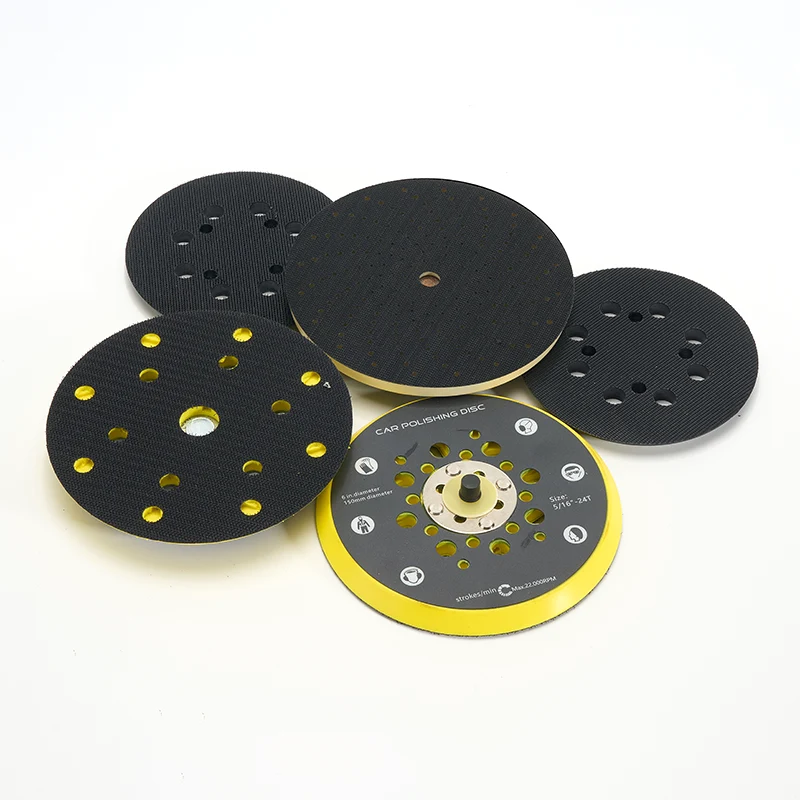
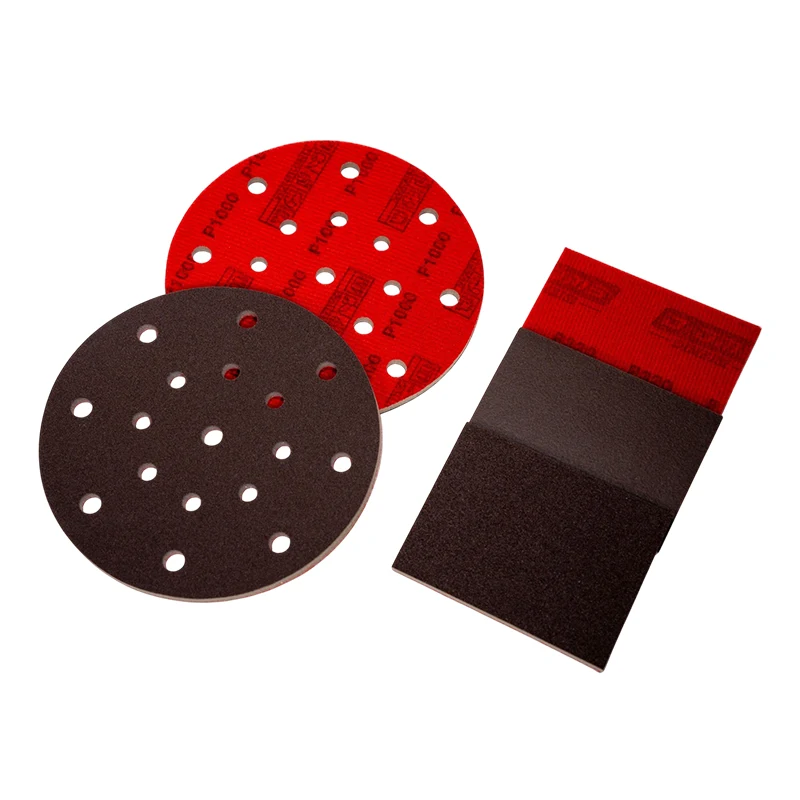
To maximize the effectiveness of dust collection equipment, prioritize the use of specialized automotive sandpaper designed for dust-free dry sanding. Unlike standard low-porosity varieties, most of these papers feature a multi-porous, full-surface dust-exhaust structure with ample dust-exhaust channels reserved on the sanding surface. This design allows dust collection equipment to promptly extract sanding dust, minimizing dust buildup.
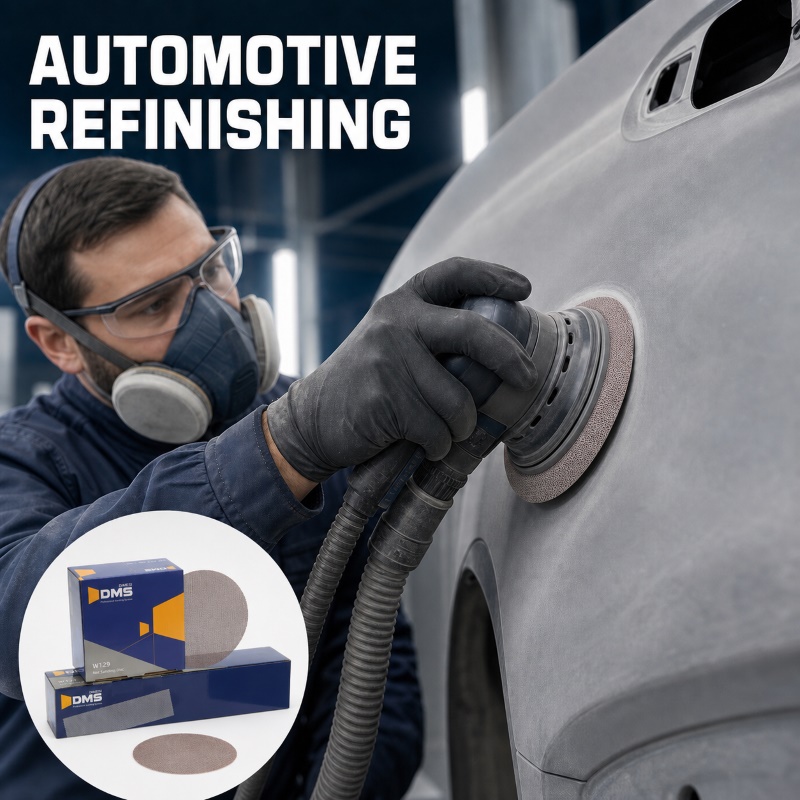
At the same time, the anti-clogging coating on the sandpaper's surface reduces dust adhesion. Combined with self-sharpening abrasives, this ensures the sanding surface remains clean and maintains stable cutting performance during prolonged use, making it suitable for multiple dry-sanding processes such as puttying and priming.
III. Techniques for Aligning Holes and Adjusting Vacuum Pressure
Proper coordination can further optimize sanding results. When installing automotive sandpaper, ensure that the holes align with the sanding pad and dust collection ports to prevent obstruction of airflow and ensure effective dust extraction and debris removal. Different grit sizes require corresponding vacuum levels; for coarse-grit sanding, which generates more dust, the vacuum can be appropriately increased. For fine-grit finishing, use a moderate vacuum to balance dust removal efficiency with surface smoothness. During the process, maintain light pressure and a steady speed to minimize the chance of dust embedding in the sandpaper surface and reduce the likelihood of clogging.
IV. Compatibility Between Consumables and Equipment Is the Foundation for Improving Working Conditions
Overall, to address dust and clogging issues in automotive dry sanding operations, it is essential to use specialized automotive sandpaper in conjunction with proper dust collection practices.
DMS automotive dry-sanding sandpaper features a porous dust-discharge structure and an anti-clogging coating, making it compatible with common dust-collection sanding equipment. By scientifically matching consumables with equipment, it is possible to reduce sandpaper waste, streamline the work process, and steadily improve the quality and efficiency of automotive sanding operations.
Related News
- Replacing Ceramic Abrasive Sandpaper? Don't Skip These Sanding Pad Checks
- Why Does Machine Sandpaper Overheat? Causes and Practical Solutions
- A Practical Guide to Low-grit Sandpaper Selection for Metal Sanding
- Assessing a Sandpaper Factory: Stable Supply and Modification of Aluminum Oxide Sandpaper Automotive
- Why Ceramic Abrasive Wet-Sanding Sandpaper Excels on Soft Varnish
- Paint Finishing with High-Grit Sandpaper: Selection Criteria and Progression Tips
Leave me a message