A Practical Guide to Better Surface Preparation and Refinishing
Automotive sanding is not only about removing material. In body repair, paint preparation, primer sanding and final finishing, the quality of the abrasive directly affects surface flatness, scratch control, coating adhesion and the final appearance of the vehicle. The right automotive sandpaper helps technicians work faster while reducing rework caused by deep scratches, clogging, uneven cutting or poor edge sanding.
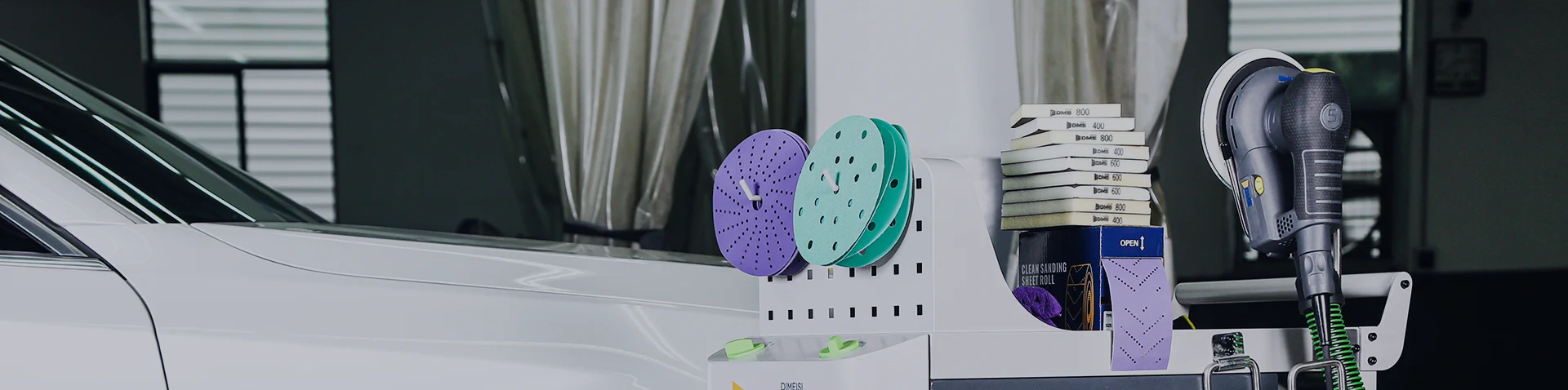
DMS offers a complete automotive sanding range covering film discs, paper discs, net abrasives, sanding sponges, spot sanding products and precision finishing abrasives. The latest DMS 2026 range places stronger emphasis on premium ceramic abrasives, flexible finishing products and refined sanding systems for collision repair and automotive refinishing.
What Is Automotive Sandpaper?
Automotive sandpaper is a coated abrasive used to level, shape, refine or finish vehicle surfaces before painting, polishing or assembly. It is commonly used on body filler, primer, old paint, clear coat, plastic parts, metal panels and curved body lines.
Compared with general-purpose sandpaper, automotive sandpaper requires more consistent grain distribution, sharper cutting performance, better anti-clogging behavior and a more controlled scratch pattern. This is especially important when working through multiple sanding steps, because an uncontrolled scratch at an early stage may remain visible after painting or polishing.
Main Types of DMS Automotive Sandpaper
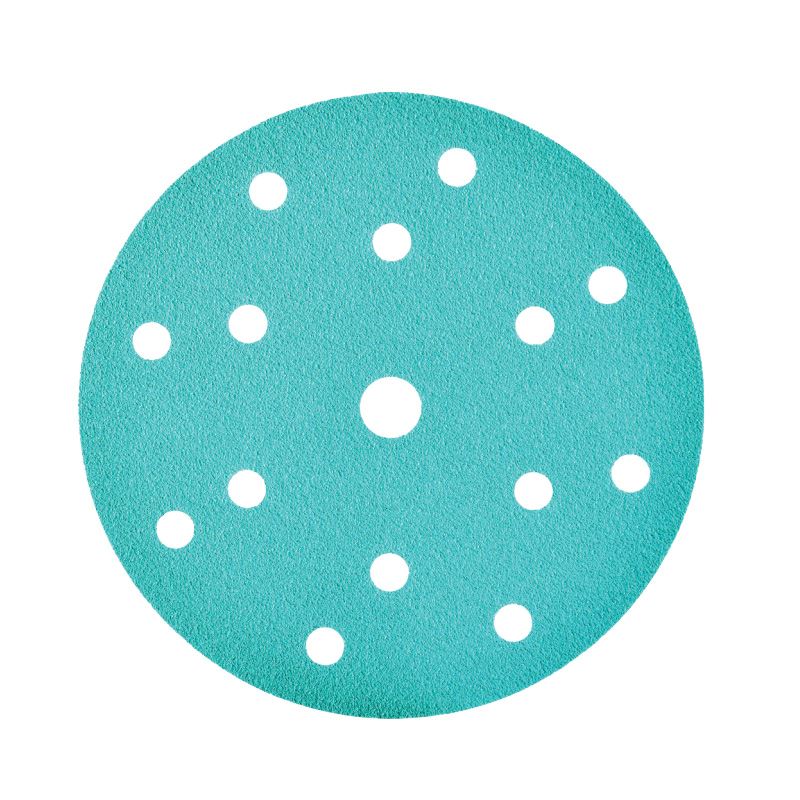
DMS automotive sanding products cover several abrasive constructions. Film-backed abrasives such as Q926 Sky Blue Ceramic Film, Q22T Purple Ceramic Film, Q226 Blue Film and Q227 Green Film are designed for strong tear resistance, stable cutting and precise scratch control. The PET film backing provides a flat and durable base, making it suitable for machine sanding, primer sanding and refined paint preparation.
Paper-backed abrasives such as B235 Orange Paper, P338 Clay Yellow Paper, C225 Gold Paper and B938 Purple Ceramic Paper provide a familiar sanding feel for body shops, distributors and automotive refinishing users. They are widely used for filler shaping, primer leveling, paint removal and general surface preparation.
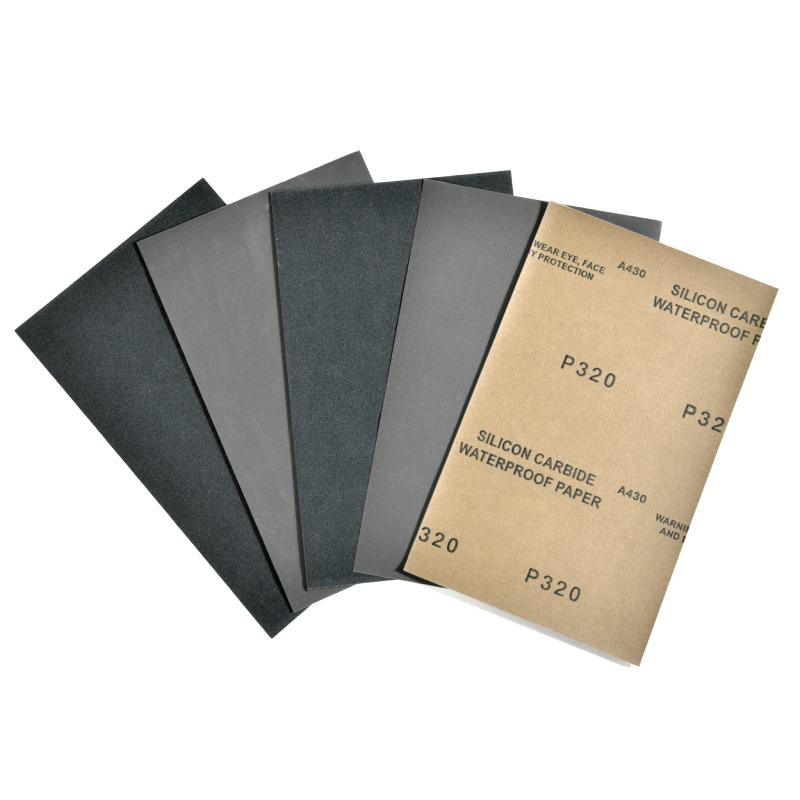
Waterproof sandpaper such as A430 is suitable for wet sanding applications where water resistance, fine scratch control and a clean finish are required. It is commonly used before polishing or repainting when a smoother surface is needed.
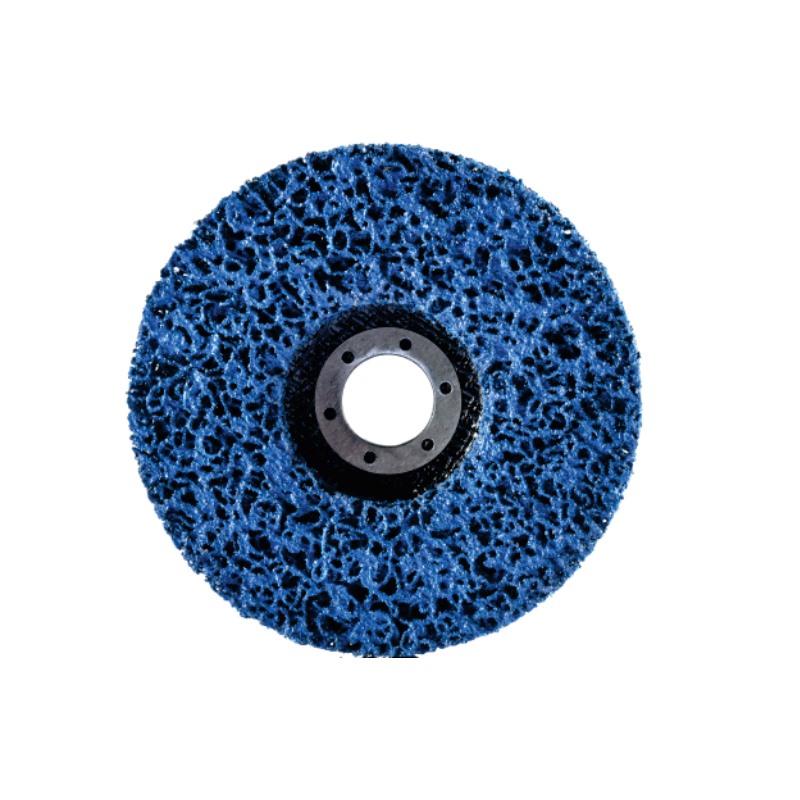
Net abrasives such as W198 Purple Ceramic Net Abrasives and W129 Net Abrasives help improve dust extraction and reduce loading. They are useful in automotive repair environments where cleaner sanding and longer abrasive life are important.
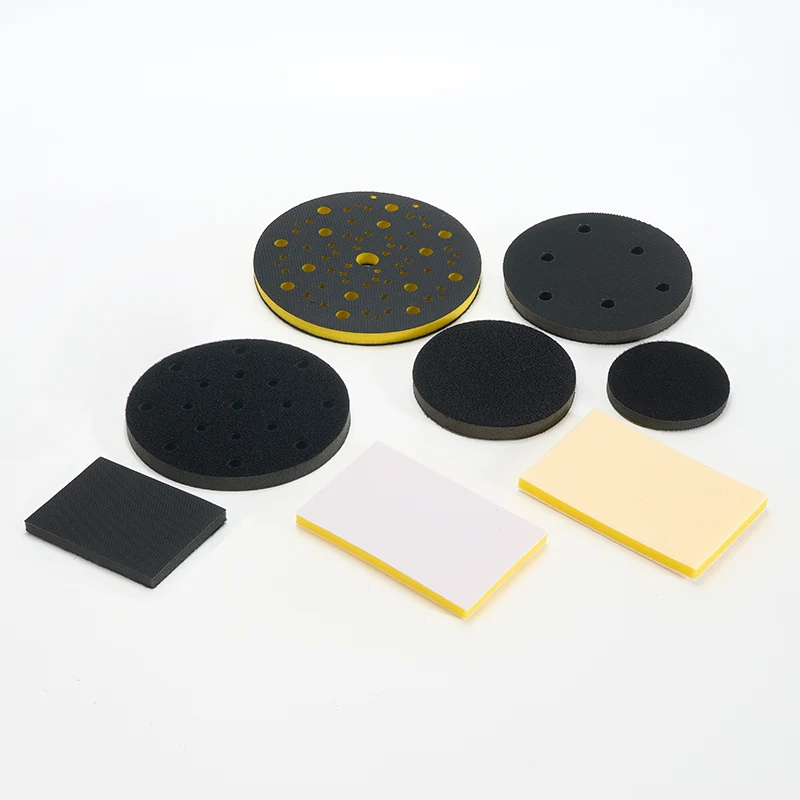
Sanding sponges and sponge rolls, including H01C double-sided sanding sponge, H02A/H02B four-sided sanding block, H03A/H03B wedge-sided sanding block, H06A single-sided sanding sponge, B938 sanding sponge roll and C235 sanding sponge roll, are designed for curves, edges, profiles and hand sanding areas that are difficult to process with a flat disc.
Why Film Abrasives Are Important in Automotive Refinishing
Film abrasives have become an important choice in modern automotive refinishing because they combine strong backing stability with a uniform sanding finish. A film backing is flatter and more dimensionally stable than traditional paper, helping the abrasive create a more consistent scratch pattern.
DMS Q926 Sky Blue Ceramic Film is a premium ceramic film abrasive for demanding sanding applications. It is designed with high-quality mixed ceramic abrasives, a premium PET film backing and an open-coat structure. This combination supports aggressive cutting, good dust resistance, a steady finish and longer abrasive life.
DMS Q322 Finecut White Finishing Film is designed for fine finishing and paint correction stages. Its flexible finishing performance makes it suitable for curved and contoured automotive surfaces, where technicians need a clean finish without creating unnecessary deep scratches.
For body shops and refinishing distributors, film abrasives are especially useful when the customer wants better cutting consistency, reduced edge tearing and more predictable results during machine sanding.
Ceramic Automotive Sandpaper for Faster Cutting
Ceramic abrasives are becoming more popular in automotive sanding because ceramic grain stays sharper for longer than standard aluminum oxide. Instead of becoming dull too quickly, ceramic abrasive grains tend to micro-fracture during sanding, exposing new cutting edges.
DMS premium ceramic products, including Q926 Sky Blue Ceramic Film, Q22T Purple Ceramic Film, Q227 Green Film, B938 Purple Ceramic Paper and W198 Purple Ceramic Net Abrasives, are designed for users who need higher productivity and longer sanding life. They are suitable for primer sanding, paint removal, filler shaping and other high-demand sanding tasks.
For body shops, ceramic abrasives can reduce the number of discs consumed per job. For distributors, ceramic products provide a stronger upgrade path when customers complain that ordinary sanding discs cut slowly, clog quickly or wear out too fast.
Choosing the Right Grit for Automotive Work
Coarse grits are used for shaping body filler, removing old paint or preparing damaged panels. Medium grits are used for primer leveling and transition sanding. Fine and extra-fine grits are used before painting, blending or polishing. A correct grit sequence is more important than simply choosing the sharpest abrasive.
For example, a repair process may begin with coarser paper or film for filler shaping, move to ceramic film or paper for primer leveling, and finish with fine film, waterproof paper, sponge abrasive or precision finishing disc before paint or polish. Skipping too many grit steps can leave visible scratches and increase rework.
DMS provides a broad grit range across film, paper, sponge, net and finishing products, making it easier for customers to build a complete sanding process rather than buying isolated products.
Recommended DMS Products for Automotive Sanding
For premium cutting and longer service life, Q926 Sky Blue Ceramic Film and Q22T Purple Ceramic Film are strong choices. For general automotive refinishing, Q226 Blue Film, Q227 Green Film, B235 Orange Paper, P338 Clay Yellow Paper and C225 Gold Paper cover common sanding needs. For dust extraction and cleaner work, W198 Purple Ceramic Net Abrasives and W129 Net Abrasives are suitable options.
For hand sanding and curved areas, DMS sanding sponges and sponge rolls provide better flexibility and contact with irregular surfaces. For final refinement, DMS precision finishing products such as H04 PyraGloss Finishing Foam Disc, T05 Flexible Film, T05A Soft Abrasives Disc, T05B Flexible Abrasive Foam Disc, T01A Brown Sponge Disc and H05 Super Fine Sponge Disc help technicians prepare the surface for polishing or paint finishing.
Conclusion
Good automotive sandpaper improves the entire refinishing process. It helps technicians cut faster, control scratches, reduce dust, prevent clogging and achieve a more stable finish. With DMS film abrasives, ceramic sandpaper, paper discs, net abrasives, sponge abrasives and finishing products, body shops and distributors can build a practical sanding system from rough repair to final finishing.
DMS automotive sanding products are developed for real repair conditions, where durability, consistency and surface quality matter at every step.
Frequently Asked Questions
| Question | Answer |
| What is the best sandpaper for automotive refinishing? | For general refinishing, film-backed or premium paper abrasives are widely used. For higher cutting efficiency and longer life, ceramic film products such as DMS Q926 or Q22T are recommended. |
| When should I use net abrasives? | Net abrasives are suitable when dust extraction, cleaner sanding and anti-clogging performance are important, especially during primer sanding and dry sanding. |
| Are sanding sponges necessary in automotive repair? | Yes. Sanding sponges are useful for curves, edges, contours and hand sanding areas where flat discs may not contact the surface evenly. |
- View as
Purple Ceramic Film
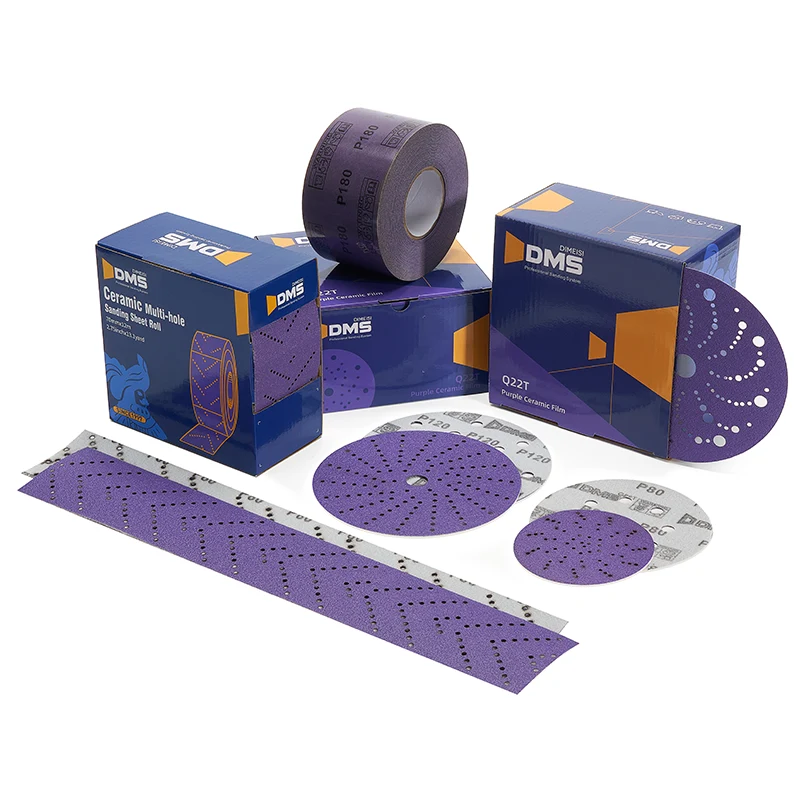
DMS Purple Ceramic Film, blended with high-quality ceramic abrasive and processed with a special technique, significantly enhances product sharpness for efficient grinding. Its special coating design greatly improves anti-clogging ability and extends product life. Excellent uniformity, using high-standard abrasive, results in even and consistent scratches. The product is also water-resistant, making it suitable for both wet and dry use; simultaneously, it boasts excellent toughness, tear resistance, and durability. The purple film is compatible with eccentric vibratory grinders and trays, significantly boosting grinding efficiency. Dongsheng abrasive cloth purple film offers a variety of sizes and grit options to fully meet your diverse needs.
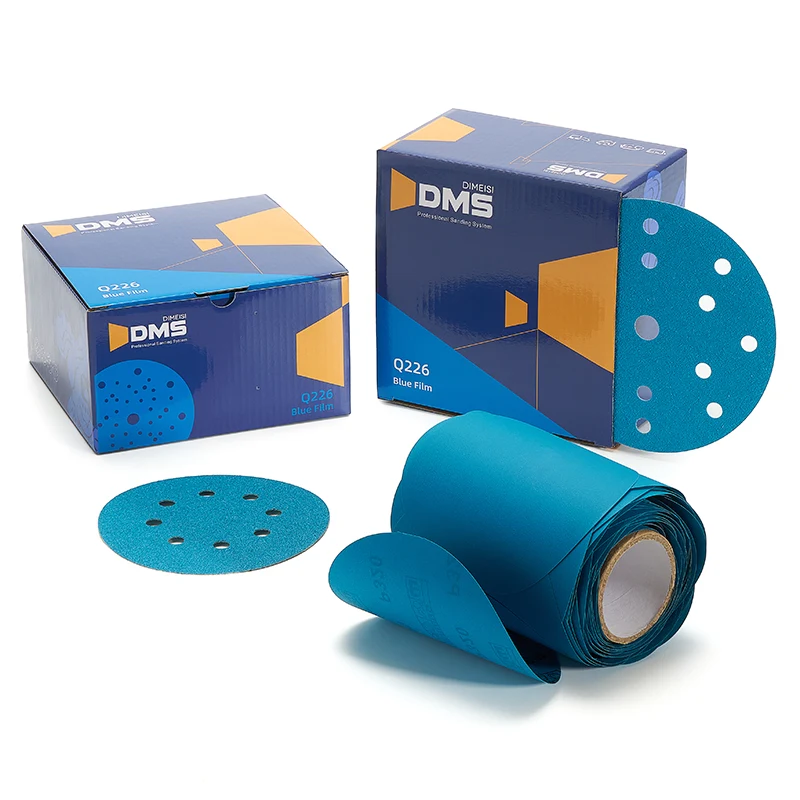
Blue Film Abrasive Disc
DMS has been deeply involved in the sanding industry for 29 years. Because we have a profound understanding of our customers' needs, we launched the Q226 Blue Film Abrasive Disc. Based on high-standard hybrid ceramic abrasives, it incorporates many of our innovative technologies. We aim to provide an efficient, durable, and safe solution for sanding operations across various industries.

Green Film Abrasive Disc
The DMS Q227 green film abrasive discs is a polishing product that combines high-performance materials with a user-friendly design. Its special process and coating design achieve a breakthrough in both polishing efficiency and durability while maintaining a smooth surface and uniform scratches.
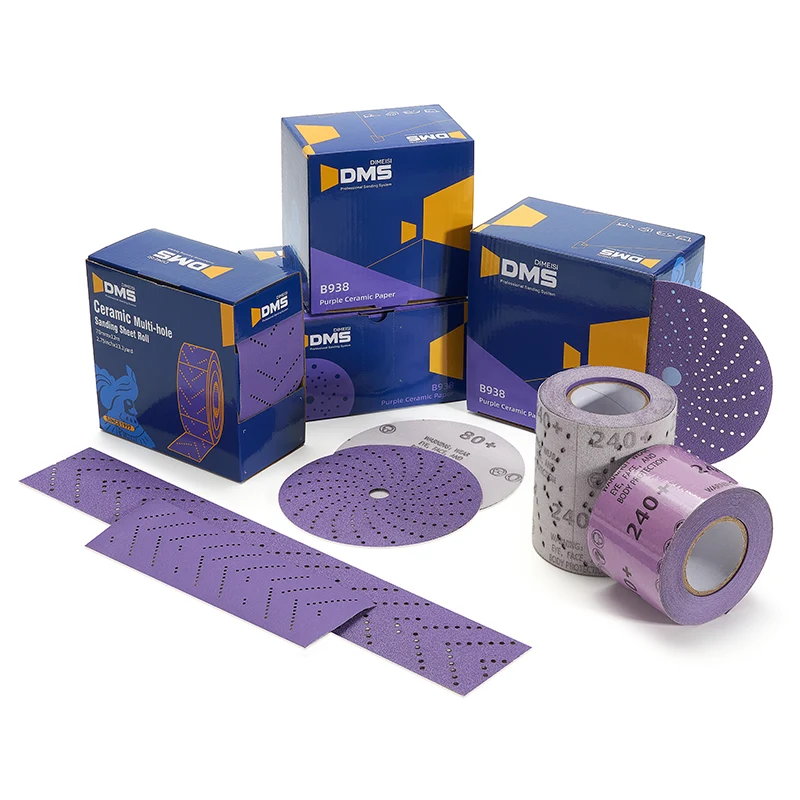
Purple Ceramic Sandpaper
DMS is a professional abrasive supplier. It has reliable manufacturing skills and focuses on high-performance grinding solutions. Its B938 Purple Ceramic Sandpaper has good mixed ceramic abrasive. It also has good anti-clog and dust-removal design. So the product’s quality and durability are guaranteed. Buying in large quantities is cheap. It works for efficient and healthy professional grinding.
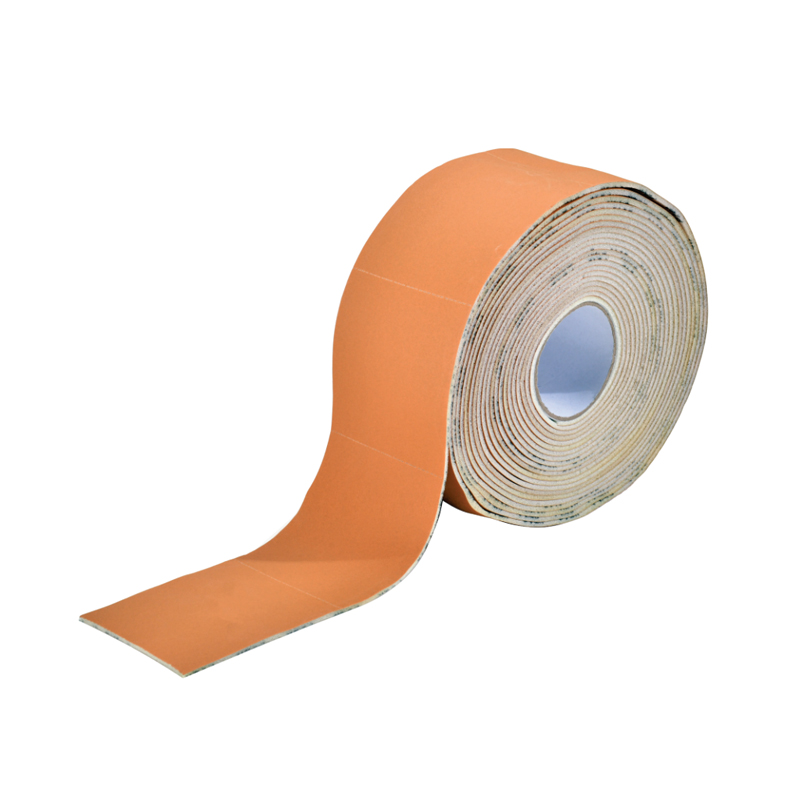
Sponge-coated sand roll
DMS's Sponge-coated sand roll is highly elastic and flexible, with tear-off tabs for easy use. It is ideal for sanding curved and irregularly shaped parts, resists clogging, and is wear-resistant. Suitable for both dry and wet use, it is highly efficient, material-saving, and offers outstanding value for money. It is widely used for precision sanding in the automotive, woodworking, hardware, and 3C (electronics) industries. Custom grit sizes and specifications are available. Learn more today!
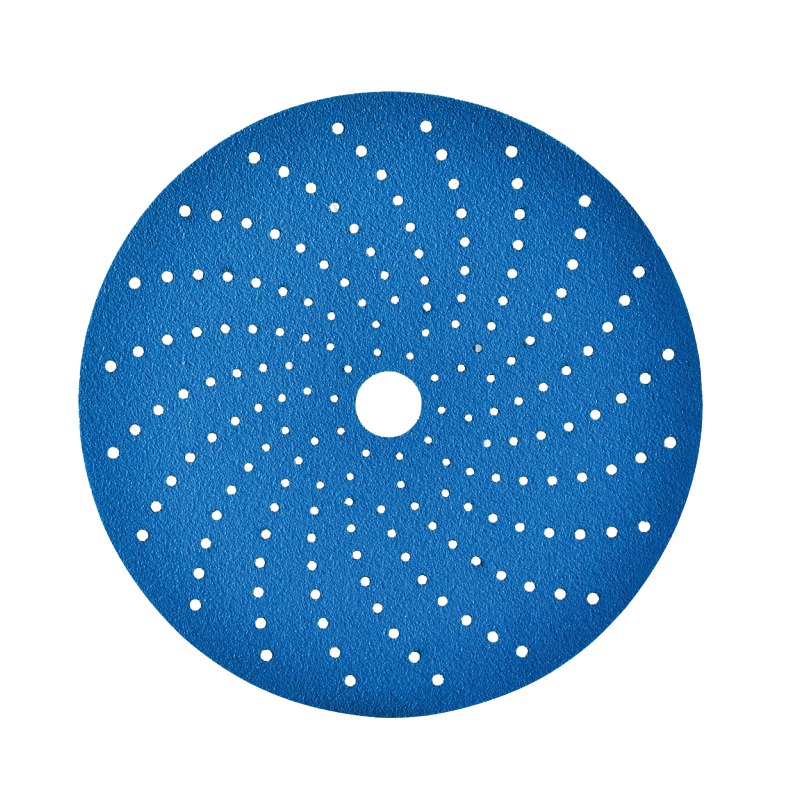
Blue Customized Sandpaper
DMS's Blue Customized Sandpaper features high-quality abrasives and a blue cloth backing. It is sharp, durable, clog-resistant, and does not shed grit. Available in custom sizes and grits, it is ideal for sanding wood, metal, furniture, and automotive paintwork. We invite you to purchase this product.
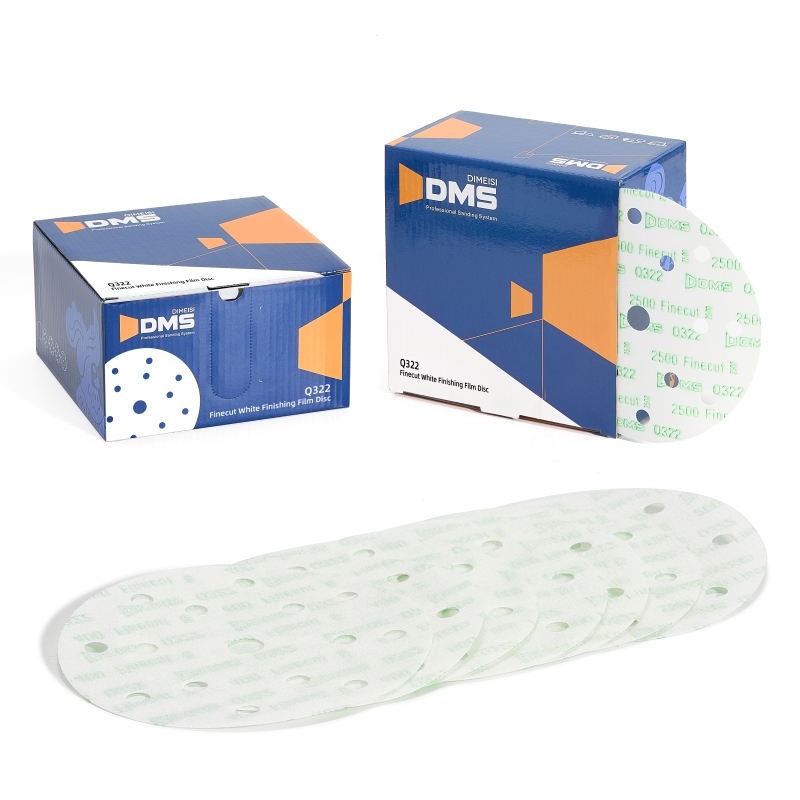
Finecut White Finishing Film
DMS Q322 Finecut White Finishing Film uses high-quality specialized aluminum oxide for an extremely smooth finish and fewer deep, uneven scratches. Its super-size coat provides excellent anti-clogging performance, extending service life for higher workpiece throughput. With high toughness, tear resistance, and water resistance, it performs reliably in both wet and dry fine finishing applications.
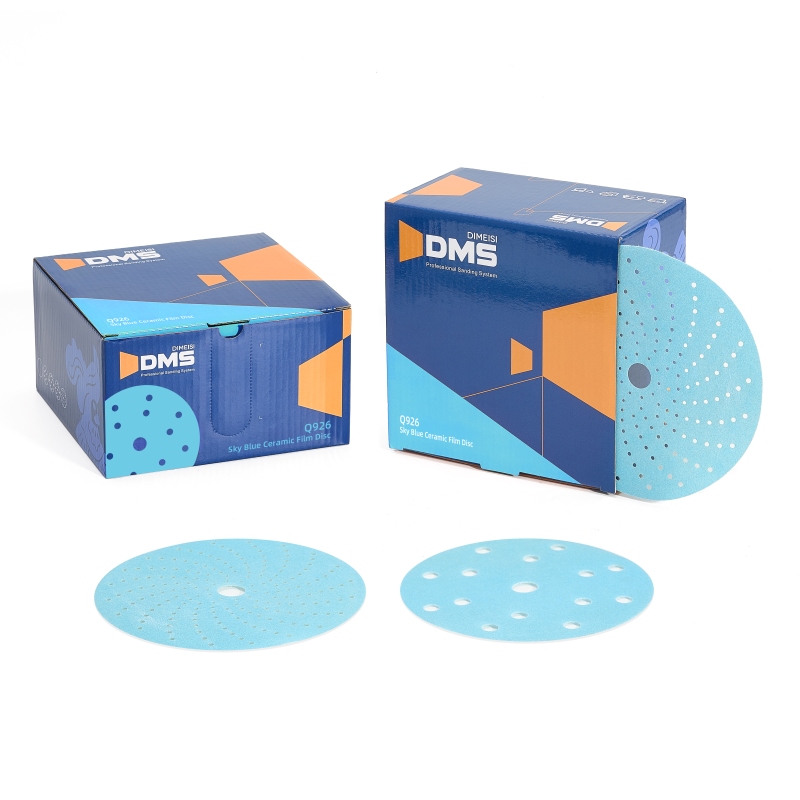
Sky Blue Ceramic Film
DMS Q926 Sky Blue Ceramic Film uses premium mixed ceramic abrasives for precise cutting, less scratches and rework. Its super-size coat ensures strong anti-clogging performance and longer service life. With high toughness and tear resistance, it works well for both wet and dry grinding, delivering stable and reliable performance.
DMS is a professional Automotive Sandpaper manufacturer and supplier in China. We warmly welcome you to wholesale high quality products at competitive price from our factory.