Collision Repair Abrasives: Building a Complete Sanding and Surface Preparation System
Collision repair requires more than one abrasive product. From paint removal and body filler shaping to primer sanding, edge blending, spot repair and final finishing, every step needs the right abrasive structure and grit sequence. A complete collision repair abrasive system helps body shops improve efficiency, reduce rework and achieve a stable refinishing result.
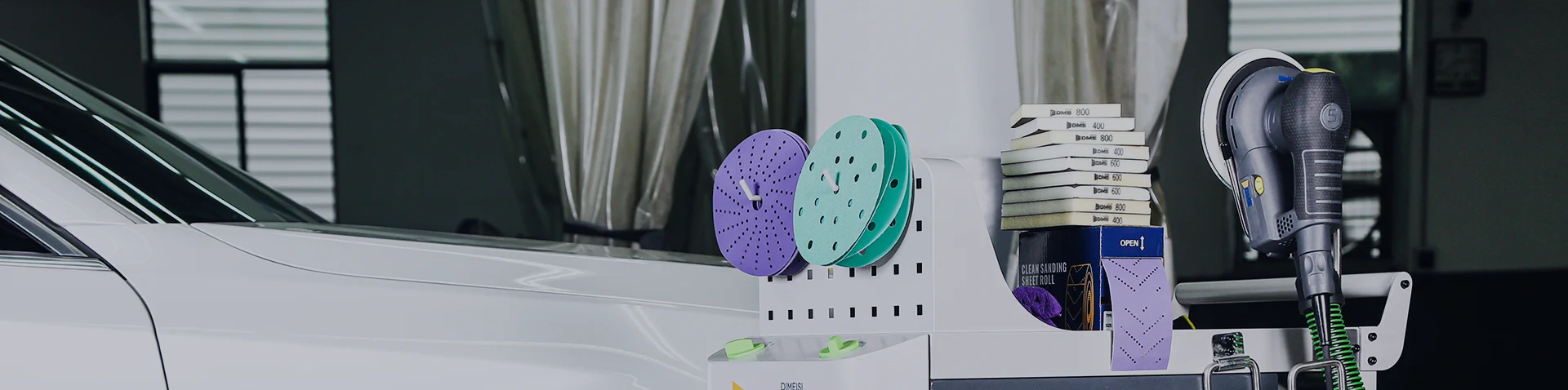
DMS provides a broad collision repair abrasive range, including ceramic film discs, paper discs, net abrasives, sanding sponges, sponge rolls, precision finishing discs, non-woven abrasives, metal grinding products and accessories. The latest catalog highlights more premium and new products for modern repair workflows.
What Are Collision Repair Abrasives?
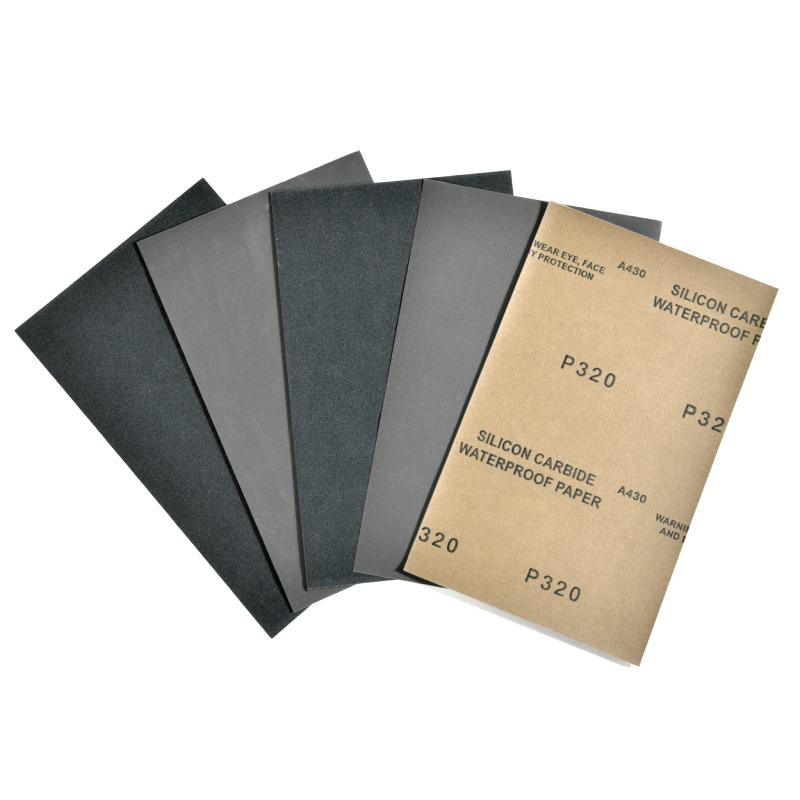
Collision repair abrasives are sanding, grinding and finishing products used to restore damaged vehicle surfaces before repainting or polishing. They are used on metal panels, body filler, primer, old paint, clear coat, plastic parts and curved areas.
Unlike simple general-purpose abrasives, collision repair abrasives must provide controlled cutting and predictable scratches. The surface must be prepared correctly at every stage, because paint quality depends on what happens before the coating is applied.
Stage 1: Paint Removal and Metal Preparation
The first stage of collision repair may involve removing old paint, rust, oxidation or damaged coating. For heavier material removal, DMS metal grinding products such as ceramic flap discs, zirconia flap discs, strip discs, fiber discs, quick change discs and sanding belts can be used depending on the substrate and repair condition.
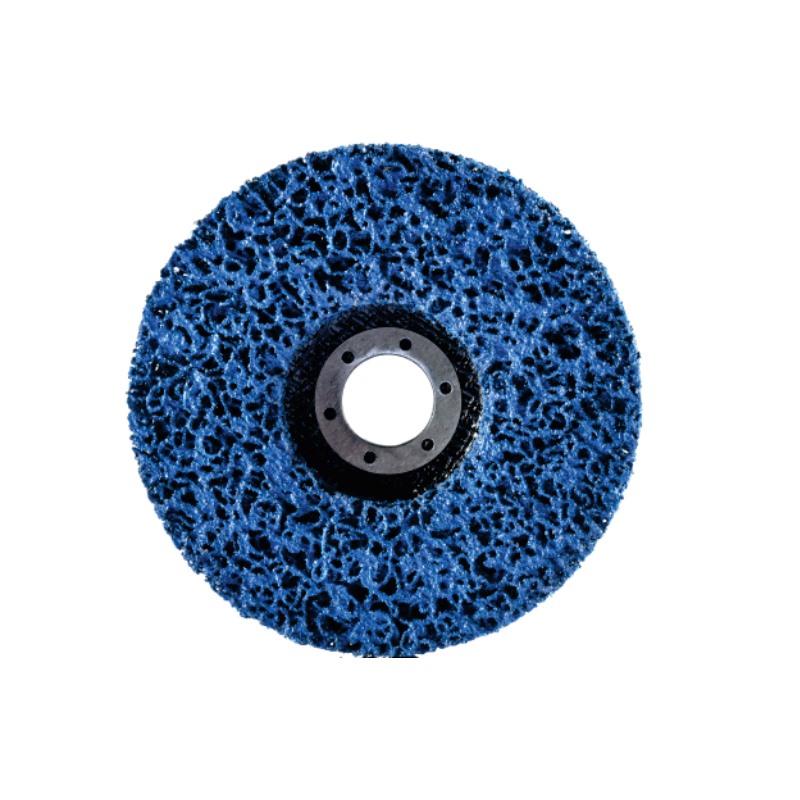
Ceramic flap discs are suitable for stronger cutting and longer life in demanding grinding applications. Zirconia flap discs are practical for general metal grinding and blending. Strip discs can remove paint, rust and surface contamination while helping protect the base material compared with aggressive grinding wheels.
Stage 2: Body Filler Shaping and Primer Sanding
After body filler is applied, the surface must be shaped and leveled. This stage requires abrasives that cut efficiently without creating unnecessary deep scratches. DMS paper and film abrasives are suitable for this work, depending on the process and customer preference.
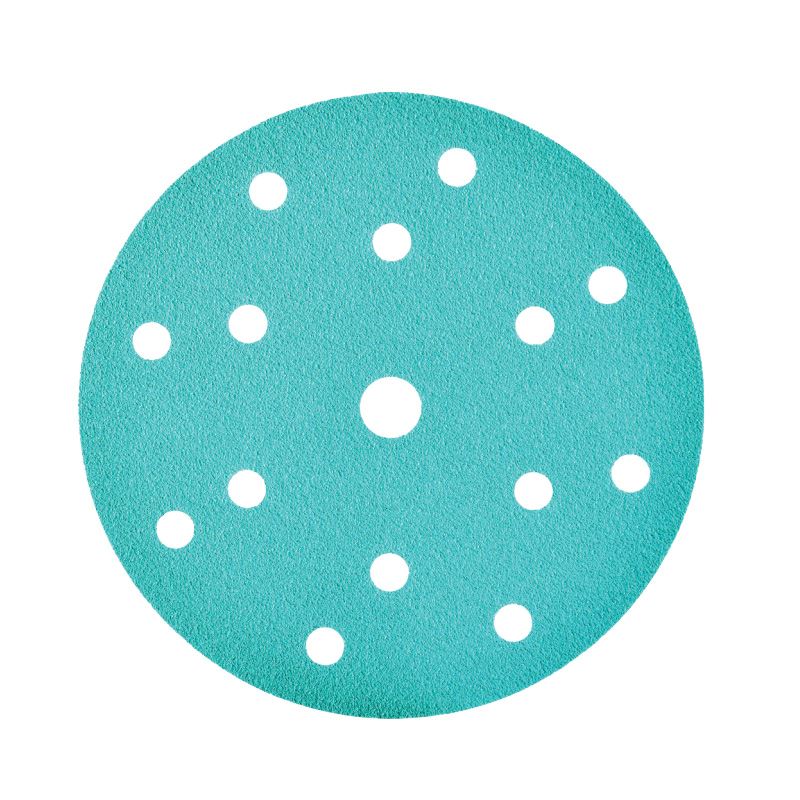
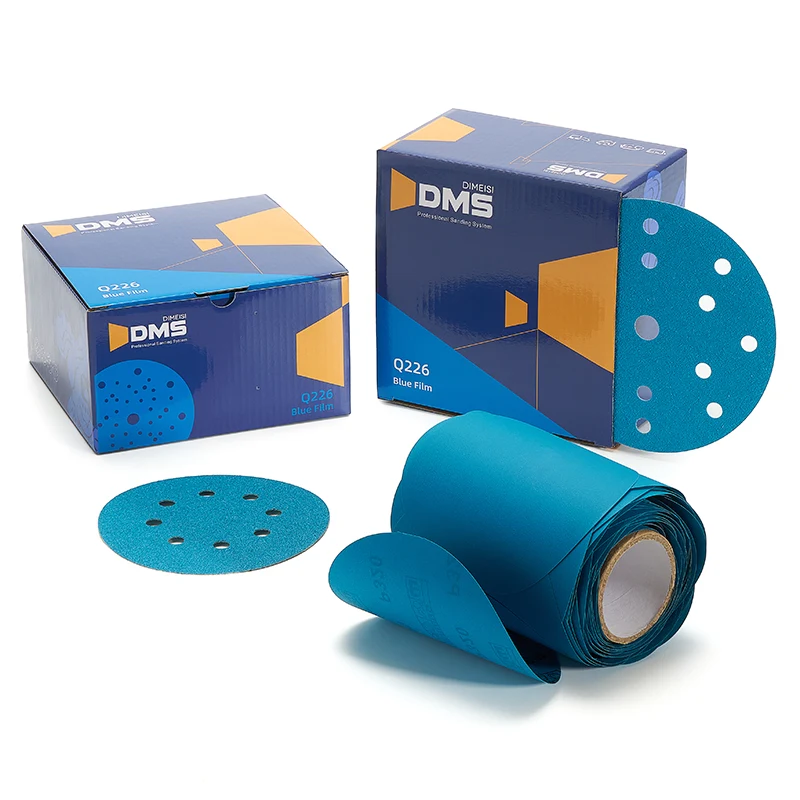
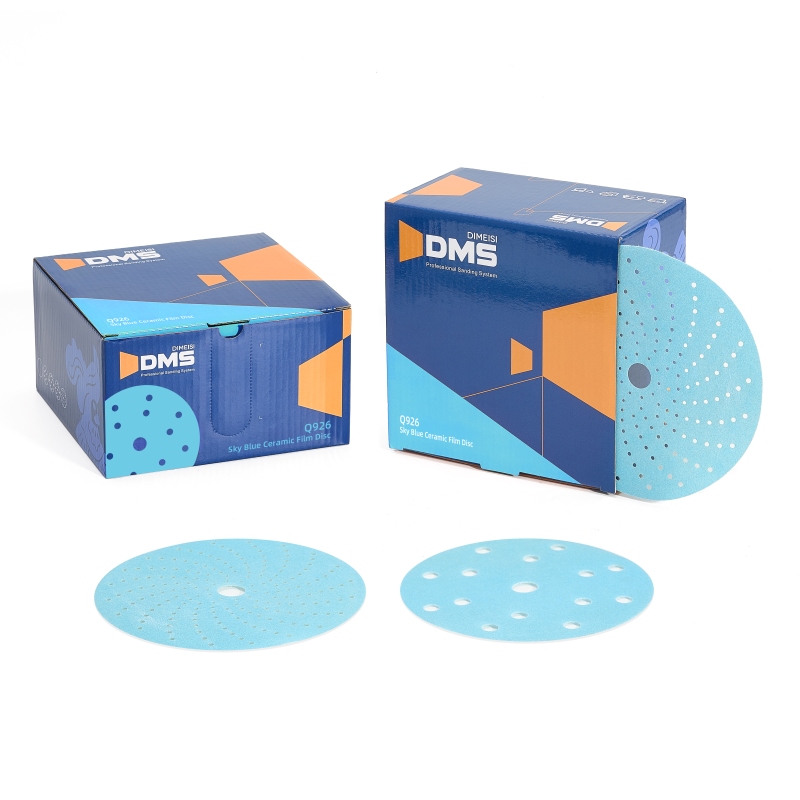
DMS B235 Orange Paper, P338 Clay Yellow Paper and C225 Gold Paper are practical choices for common sanding stages. For stronger performance and longer life, DMS Q926 Sky Blue Ceramic Film, Q22T Purple Ceramic Film, Q227 Green Film and B938 Purple Ceramic Paper provide higher cutting efficiency and improved durability.
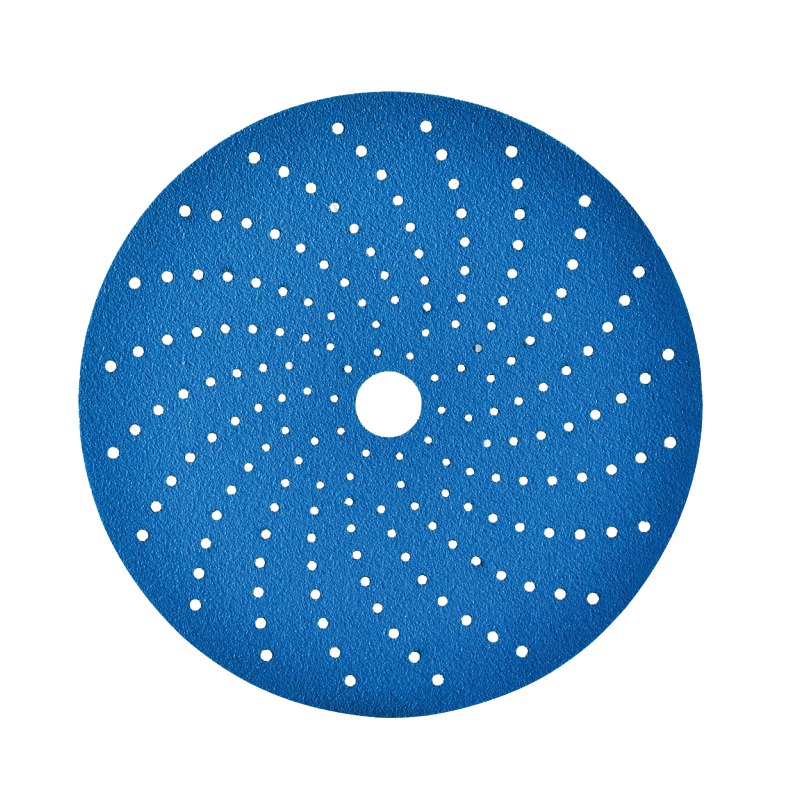
When dust control is important, DMS W198 Purple Ceramic Net Abrasives and W129 Net Abrasives support cleaner sanding and better anti-clogging performance.
Stage 3: Contour Sanding and Edge Work
Collision repair rarely happens on flat panels only. Bumpers, edges, curves, body lines and small repair areas require flexible abrasives that can follow the shape of the surface.
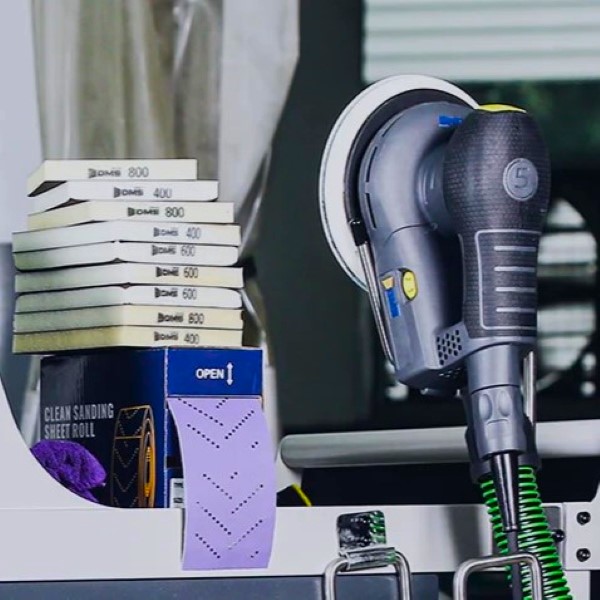
DMS sanding sponge products, including H01C Colourful Double-Sided Sanding Sponge, H02A/H02B Four-Sided Sanding Block, H03A/H03B Wedge-Sided Sanding Block and H06A Single-Sided Sanding Sponge, are designed for hand sanding and contour control. DMS B938 and C235 sanding sponge rolls provide flexible support for longer sanding areas and curved surfaces.
These products are especially useful when technicians need to sand areas that machine discs cannot reach safely or evenly.
Stage 4: Spot Repair and Paint Defect Removal
Spot repair requires precision. Small defects such as dust nibs, runs, paint particles and localized scratches must be removed without damaging the surrounding finish.
DMS precision grinding and spot sanding products include H04 PyraGloss Finishing Foam Disc, T05 Flexible Film, T05A Soft Abrasives Disc, T05B Flexible Abrasive Foam Disc, A3/A5/A7/A9 Pyramid Spot Sanding Disc, film spot sanding discs and EVA spot sanding blocks. These products are suitable for localized finishing and paint correction work.
The goal of spot repair is not aggressive cutting. It is controlled defect removal with a finish that can be polished efficiently.
Stage 5: Final Finishing Before Polishing
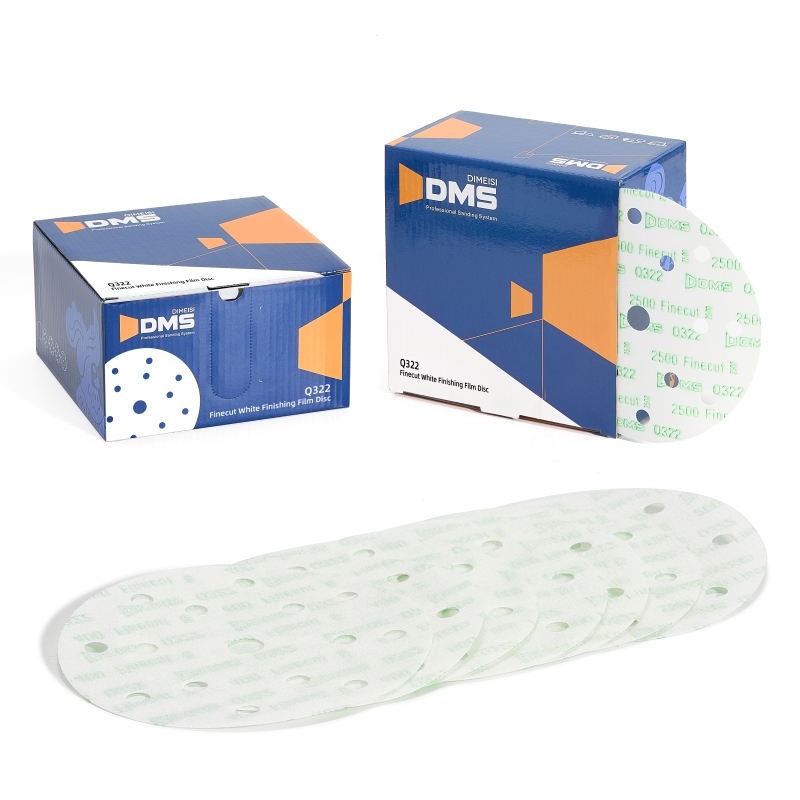
Final finishing abrasives help refine the sanding mark before polishing or paint finishing. Products such as T01A Brown Sponge Disc, H05 Super Fine Sponge Disc, Q322 Finecut Spot Finishing Sheet and purple spot sanding sheets are designed for fine surface correction, contour sanding and finishing work.
H04 PyraGloss Finishing Foam Disc is designed with a three-dimensional pyramidal abrasive structure on a foam backing. It supports consistent finishing, efficient defect removal and longer service life in fine finishing applications.
Accessories That Support Better Collision Repair
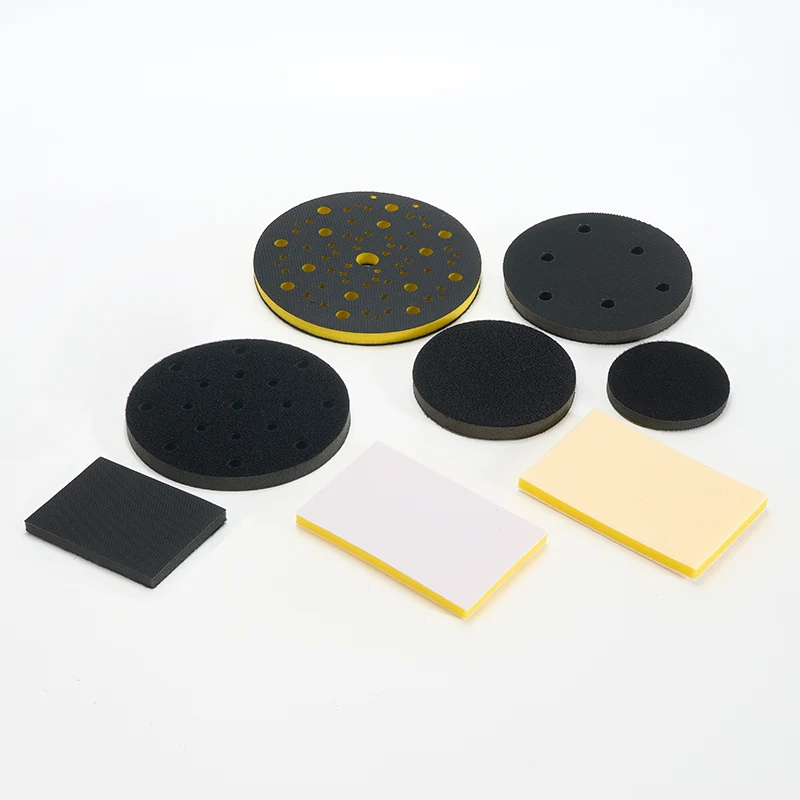
Abrasive performance also depends on accessories. DMS hand sanders, backing pads, interface pads, pad savers and flexible-film interface pads help improve sanding control, pressure distribution and disc support. Premium foam masking tape is used to protect edges and gaps during refinishing work.
Using the correct pad or interface product can improve finish quality and reduce uneven pressure marks, especially when sanding curved automotive panels.
Conclusion
A complete collision repair abrasive system should cover grinding, shaping, primer sanding, dust-free sanding, contour sanding, spot repair and final finishing. DMS provides products for each stage, from premium ceramic abrasives to flexible sponge products and precision finishing discs.
For body shops and distributors, the advantage of a complete system is simple: better workflow, fewer product gaps, more stable quality and stronger confidence in the final repair result.
Frequently Asked Questions
| Question | Answer |
| What abrasives are needed for collision repair? | A complete system usually includes grinding discs, film or paper sanding discs, net abrasives, sanding sponges, spot sanding products, finishing discs and suitable pads or accessories. |
| Why use ceramic abrasives in collision repair? | Ceramic abrasives cut faster and last longer in demanding sanding stages such as paint removal, filler shaping and primer sanding. |
| Are sponge abrasives important for collision repair? | Yes. Sponge abrasives are important for curves, edges, bumpers and hand sanding areas where flat discs cannot follow the surface properly. |
- View as
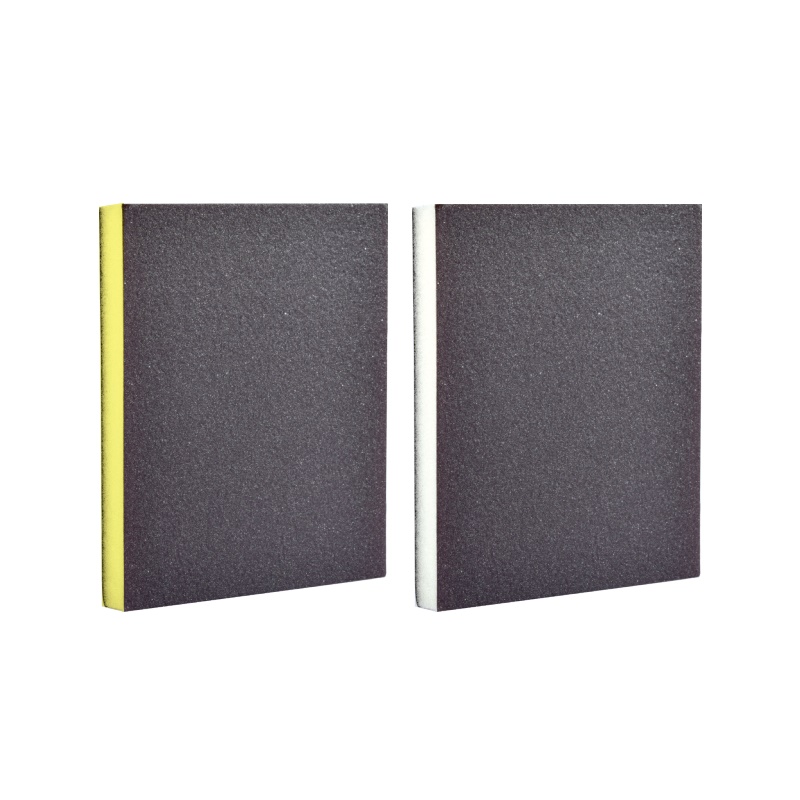
Double-sided sponge abrasives
DMS’s H01 Double-sided sponge abrasives is coated with aluminum oxide abrasive on both sides. It is suitable for curved surfaces and uneven edges. It can be used for applications such as body filler, paint, and surface preparation. In manual sanding, it can reach areas that are difficult for sanding machines to access. Feel free to learn more at any time.
DMS is a professional Collision Repair Abrasives manufacturer and supplier in China. We warmly welcome you to wholesale high quality products at competitive price from our factory.