Root Cause Analysis | Why Does Pneumatic Sandpaper Lose Grit and Shed Backing?
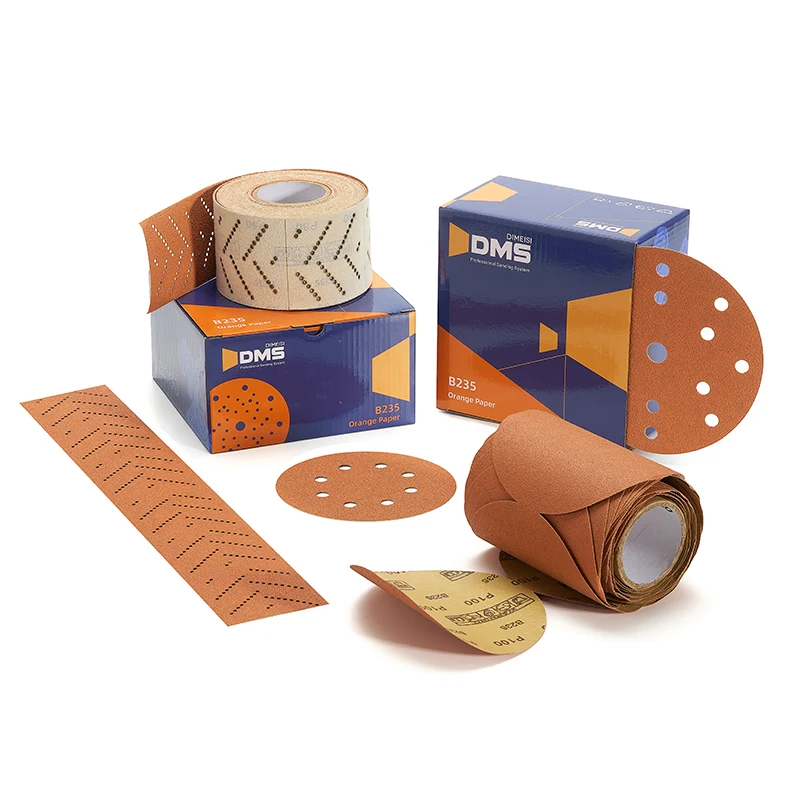
In automotive bodywork and painting, as well as mechanical sanding operations, if the pneumatic sandpaper used with pneumatic sanders loses grit or sheds backing, it not only affects surface quality but also reduces work efficiency. Identifying the underlying causes is a crucial step toward improving these conditions. Below, the DMS editorial team provides an analysis of the causes.
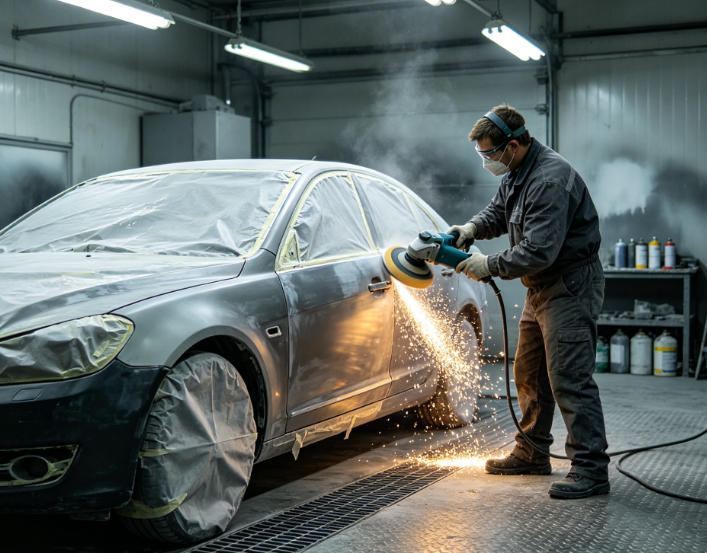
I. Abrasive Shedding: The Root Cause of Abnormal Abrasive Detachment
Inadequate sandpaper quality directly affects the adhesion of the abrasives. Some pneumatic sandpapers use adhesives with insufficient strength or undergo incomplete curing, resulting in weak bonding between the abrasives and the backing; differences in the abrasive coating process can also play a role. In certain processes, the abrasives do not adhere sufficiently to the backing, making them more prone to detachment during use.
Improper selection and operational details can also exacerbate grit shedding. Using sandpaper with a grit size that is too coarse on hard coatings significantly increases cutting resistance; if the air pressure is too high or the downward pressure is excessive during sanding, the abrasive grains will be subjected to excessive lateral impact, leading to chipping. After prolonged use, the abrasive grains gradually become dull, increasing frictional resistance, which can cause the grains to break off at the base or the adhesive layer to peel away.
II. Backing Fabric Detachment: A Cause of Sandpaper Separation from the Sanding Disc
Aging of the sanding pad’s hook-and-loop fastener is a common cause of this issue. After prolonged use, the plastic hooks on the fastener may deform or break, reducing their gripping ability. Dust accumulation on the pad surface can also affect the securement of the Pneumatic Sandpaper. When dust fills the gaps in the hook-and-loop fastener, the sandpaper’s pile cannot make full contact with the hook surface and instead adheres only to the dust, resulting in reduced stability.
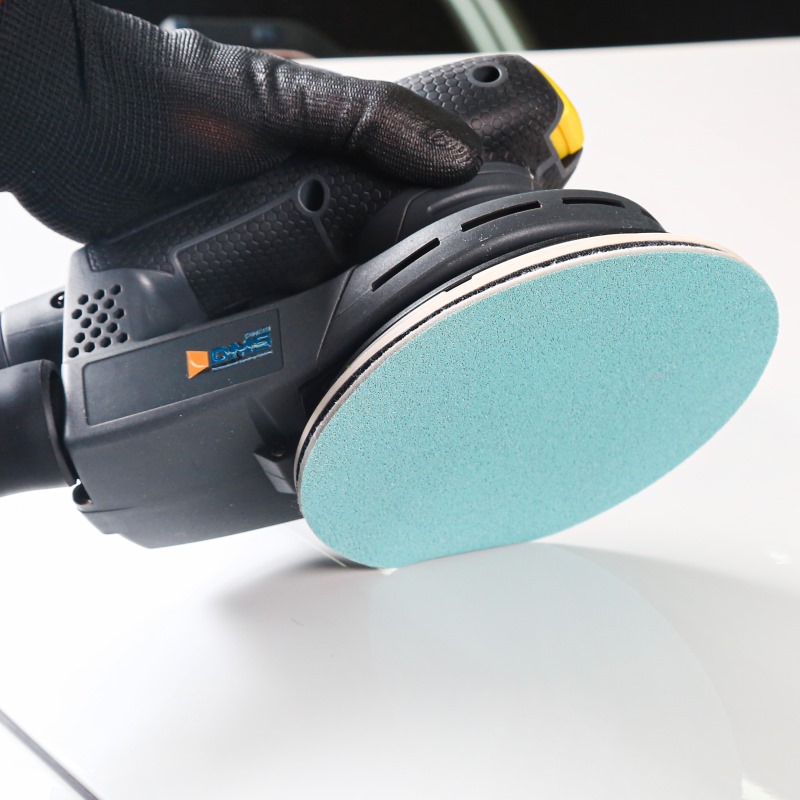
Poor-quality backing on the sandpaper can also affect performance. Some Pneumatic Sandpaper has low pile density, short fibers, or adhesive with insufficient heat resistance. Under the heat generated during sanding, the adhesive softens easily, significantly weakening its grip. Improper installation can also cause problems. If air is not fully expelled during installation, residual air inside the disc will expand during high-speed rotation, causing the sandpaper to bulge and eventually detach.
Practical Improvement Recommendations
Prioritize high-quality Pneumatic Sandpaper with full-resin bonding and electrostatic flocking to enhance the stability of abrasive adhesion.
Regularly inspect the condition of the sanding disc and promptly replace any Velcro discs that have deteriorated. Before each sandpaper change,
Use an air gun to blow away dust from the disc surface to minimize the impact of dust accumulation. When installing sandpaper, press from the center outward to expel air, reducing trapped air and improving adhesion. By selecting appropriate consumables and following standardized operating procedures, you can optimize sanding results and reduce consumable waste during operations.
Related News
- Getting Wave Marks? Issues to Check When Using Pneumatic Sandpaper
- What Are the Benefits of Eco-Friendly Ceramic Sandpaper for Low-Dust Sanding?
- What Leads to Peeling of the Waterproof Coating on Wet Sandpaper? Key Usage Tips
- Ceramic Sandpaper vs Silicon Carbide Sandpaper: How to Pick for Your Grinding Job
- Why Anti Static Fine Sandpaper Matters in Electronics Manufacturing
- Is Porous Dust-Collecting Automotive Sandpaper Worth the Switch?
Leave me a message