What Grit Should You Start With When Using Wet Sandpaper for Paint Restoration?
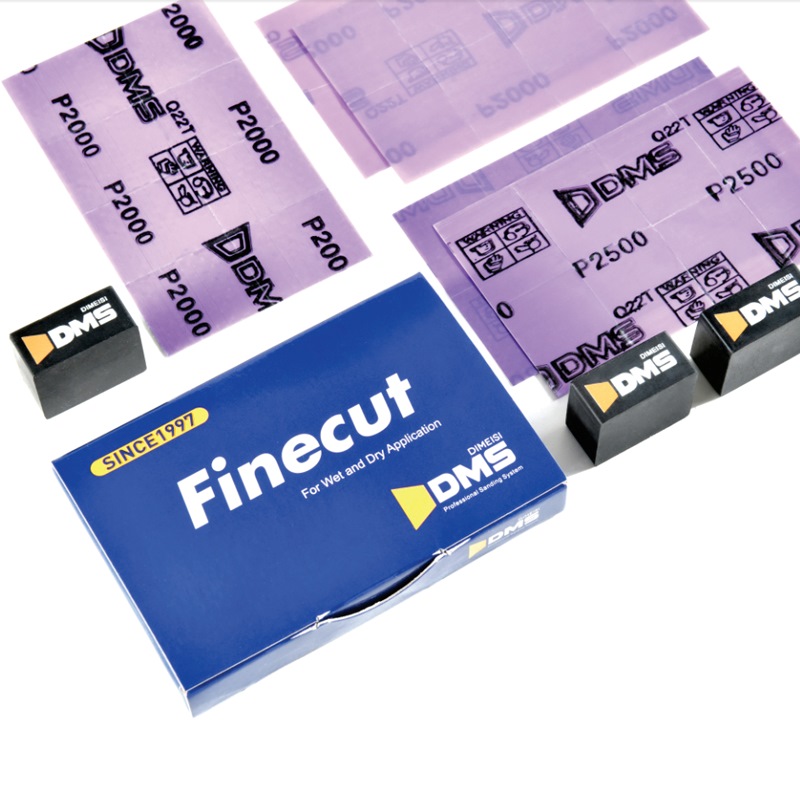
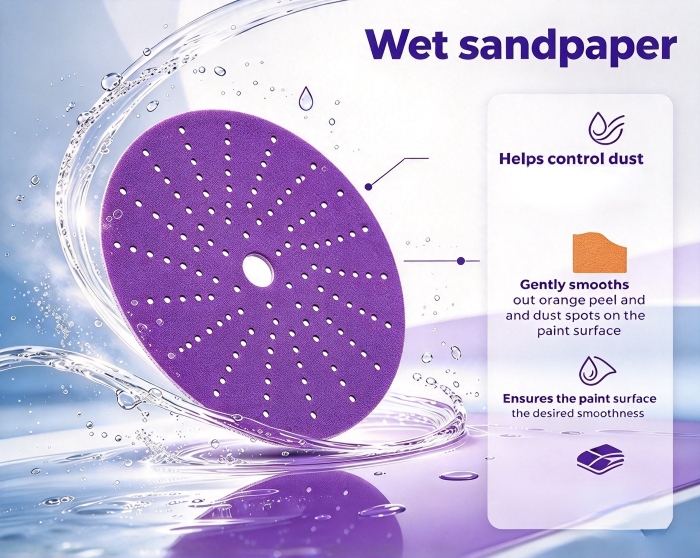
Many car owners may not know what grit to start with when using wet sandpaper for paint restoration, scratch removal, or fixing orange peel texture. If the grit is too coarse, it can easily sand through the clear coat and damage the original paint. if it’s too fine, it won’t remove the imperfections, resulting in a waste of time and materials. Below, the DMS editorial team will explain the correct starting grit and sanding sequence for different paint issues.
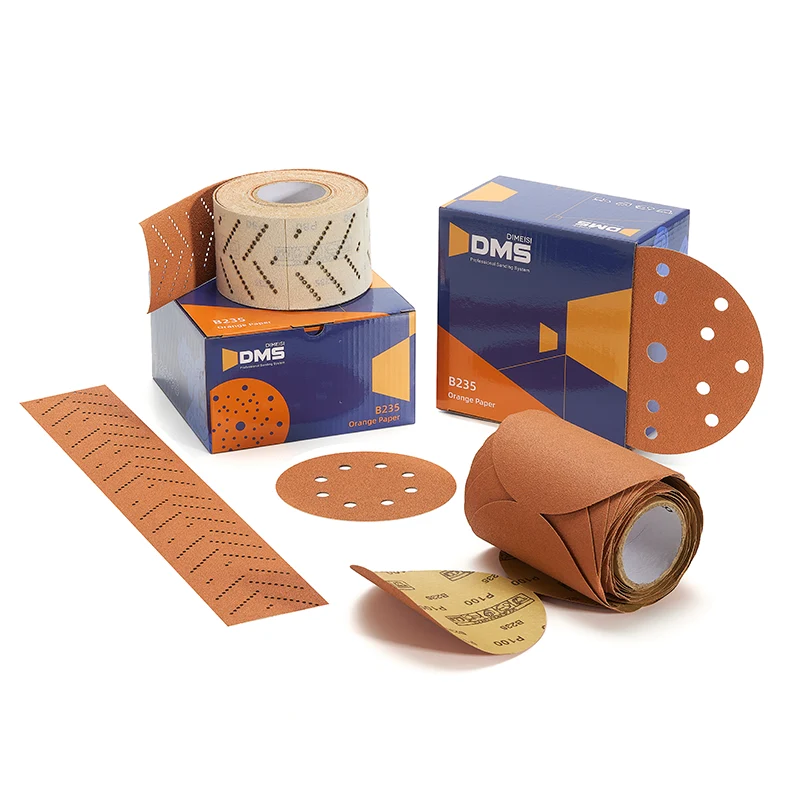
I. Starting Grit for Different Paint Conditions
Minor sun rays, fine scratches, and oxidation-induced dullness
Start with 1500 grit → 2000 grit → 3000 grit
Wet sandpaper is suitable for daily maintenance of shallow scratches and restoring a matte finish without damaging the original clear coat.
Moderate scratches, minor stone chips, and touch-up seam blending
Start with 1000 grit → 1200-grit → 1500 grit → 2000 grit
Smooth out orange peel on seams and medium-to-deep scratches, then progressively refine the finish.
Deep scratches, paint loss exposing the primer, large areas of orange peel, or paint runs
Start with 800 grit → 1000 → 1200 → 1500 → 2000 grit
First level out surface imperfections, then fine-sand with wet sandpaper to achieve a smooth finish, and finally polish to restore the original appearance.
New car polishing and pre-polishing for routine maintenance
Start directly with 2000 grit or 3000 grit
Perform only light leveling; do not damage the factory clear coat.
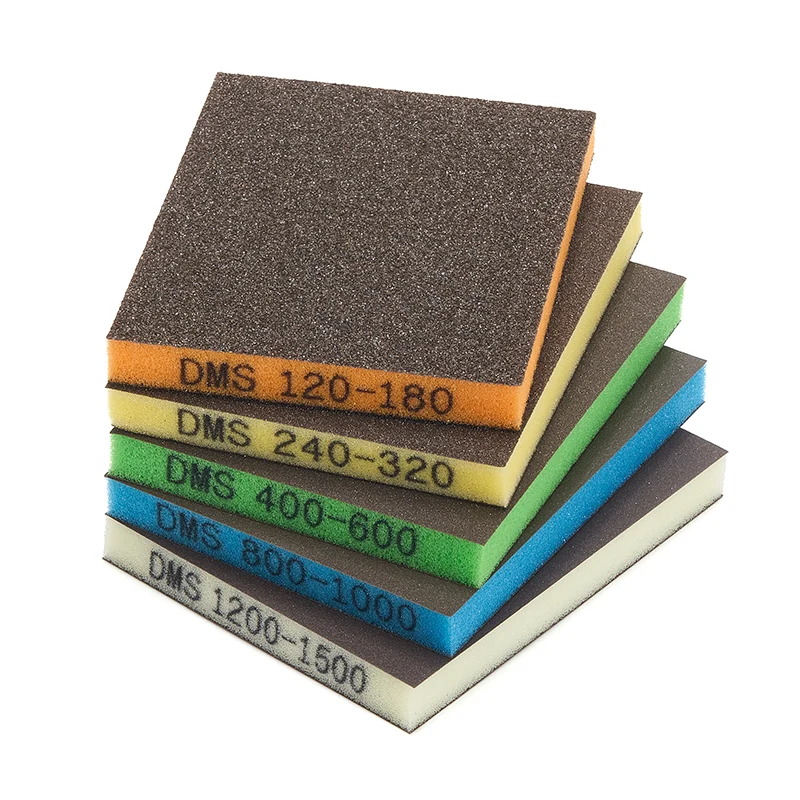
II. Standard Sanding Sequence
Level imperfections → Gradually increase grit size → Fine finishing → Waxing or machine polishing to restore
800 → 1000 → 1200 → 1500 → 2000 → 3000 grit
III. Key Tips
Always progress from coarse to fine grits. do not skip too many grits, as this can leave wet sanding marks.
Use water throughout the process, apply light pressure, and sand at a steady speed.
For factory paint, start at no lower than 1500 grit to avoid sanding through the clear coat.
In summary, When restoring a paint finish, there is no need to blindly choose high grit numbers or insist on using only coarse wet sandpaper. Select the appropriate starting grit based on the depth of the scratches and the severity of the paint defects, and wet-sand in order from coarse to fine. This approach not only efficiently removes scratches, orange peel, and sunburst patterns but also protects the original clear coat. The result is a smooth, translucent paint surface, and subsequent polishing and waxing will yield even more impressive results.
Related News
- Getting Wave Marks? Issues to Check When Using Pneumatic Sandpaper
- What Are the Benefits of Eco-Friendly Ceramic Sandpaper for Low-Dust Sanding?
- What Leads to Peeling of the Waterproof Coating on Wet Sandpaper? Key Usage Tips
- Ceramic Sandpaper vs Silicon Carbide Sandpaper: How to Pick for Your Grinding Job
- Why Anti Static Fine Sandpaper Matters in Electronics Manufacturing
- Is Porous Dust-Collecting Automotive Sandpaper Worth the Switch?
Leave me a message