Sanding Furniture Before Painting| Should You Choose Blue Sandpaper or Regular Sandpaper?
Sanding the surface of furniture before painting directly affects the final finish’s texture and durability. If the surface isn’t sanded smooth, the paint will develop an orange peel texture; if it isn’t sanded clean, adhesion will decrease; and if it isn’t sanded thoroughly, rough spots will remain visible after painting, undoing all your hard work. Faced with these two common options—blue sandpaper and regular sandpaper—many people find themselves torn.
In practice, blue sandpaper performs better in wood finishing applications. This is because its design—from the substrate to the abrasive—is specifically optimized to meet the core requirements of wood sanding.
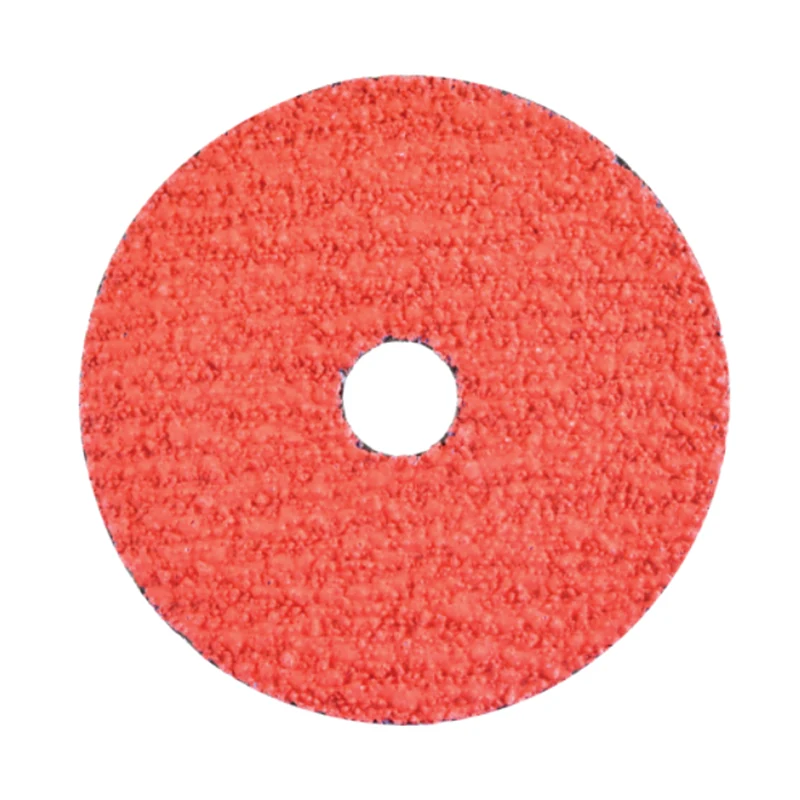
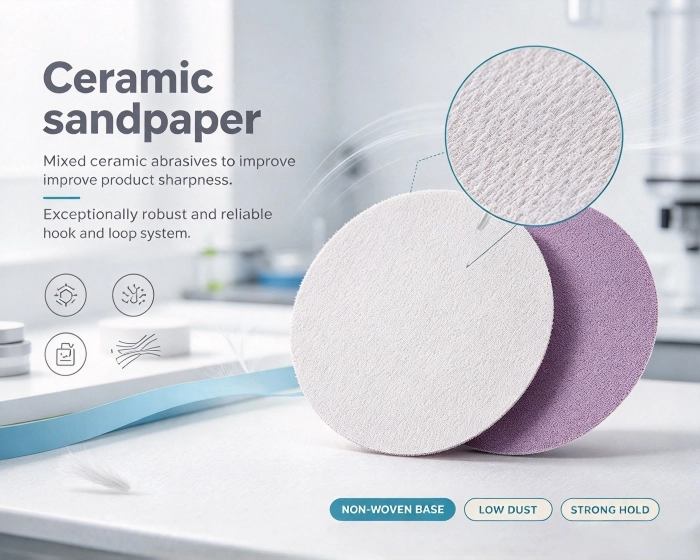
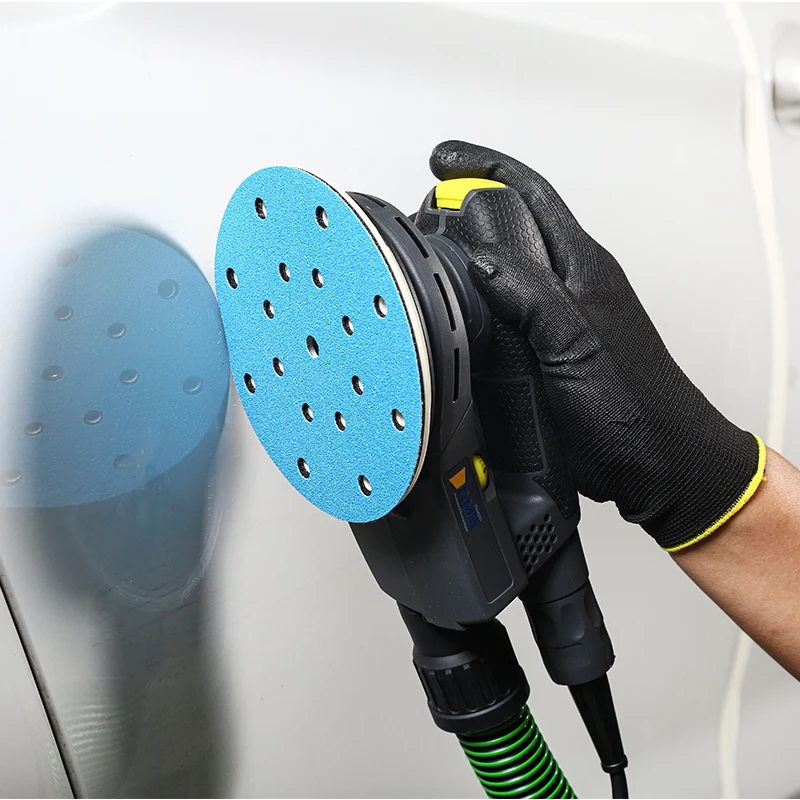
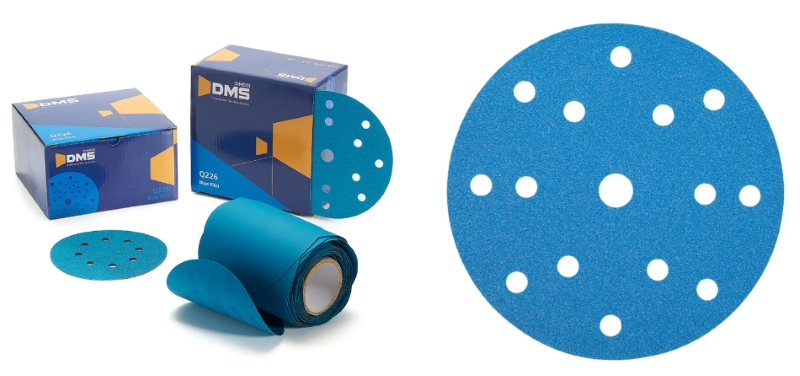
DMS | Blue Film Abrasive Disc | Model: Q226 | Benefits
1. Mixed ceramic abrasives to improve product sharpness
2. Water-resistant, suitable for both wet and dry sanding
3. Optimal grain height for even and consistent scratches
4. Excellent toughness and tear resistance
I. Water-Resistant Backing
Blue sandpaper uses a water-resistant latex paper backing, allowing for direct wet sanding. Regular sandpaper is typically made of non-water-resistant kraft paper, which softens and tears when wet, making it suitable only for dry sanding. When wood comes into contact with water, the surface fibers swell and stand on end. Wet sanding with blue sandpaper thoroughly removes these splinters, leaving the surface smooth and flat after drying. Dry sanding with ordinary sandpaper merely temporarily flattens or breaks off the splinters. Once paint is applied, the wood fibers swell again upon contact with the solvent, causing the splinters to reappear and leaving a rough texture—by which point it is too late to remedy the issue.
II. Silicon Carbide Abrasives
Blue sandpaper primarily uses silicon carbide abrasives, which feature sharp, angular grains and high hardness. Their efficiency in removing old paint layers is significantly superior to the aluminum oxide abrasives commonly used in regular sandpaper. During the high-grit finishing stage, silicon carbide also imparts a soft, satin-like texture to the wood surface, offering a finer finish than regular sandpaper. From coarse to fine sanding, blue sandpaper strikes a better balance between efficiency and quality.
III. Wet Sanding Process Solves Clogging and Dust Issues
When sanding old paint surfaces, friction generates heat that makes the old paint sticky, causing the sandpaper to clog easily. When used with water, blue sandpaper allows debris to be flushed away promptly, keeping the sandpaper sharp and actually extending its service life. At the same time, wet sanding produces almost no dust; a quick wipe with a damp cloth after sanding leaves the surface clean, preventing dust from becoming embedded in the wood grain pores and providing better support for subsequent paint adhesion.
Regular sandpaper is not entirely useless; for the initial roughing of synthetic panels such as MDF and particleboard, low-cost, coarse-grit dry sandpaper is sufficient. However, switching to blue sandpaper for wet sanding during the final fine-sanding step before painting can significantly improve the surface texture.
In practice, it is recommended to first use medium- to low-grit blue sandpaper to remove old paint or perform a rough leveling, followed by fine sanding with medium- to high-grit blue sandpaper dampened with water to achieve the ideal smoothness on the wood surface. Allow the wood to dry completely after sanding before applying paint. By using the right tools and exercising a little patience, the final finish of your furniture will speak for itself.
Click here to learn more!
Related News
- Getting Wave Marks? Issues to Check When Using Pneumatic Sandpaper
- What Are the Benefits of Eco-Friendly Ceramic Sandpaper for Low-Dust Sanding?
- What Leads to Peeling of the Waterproof Coating on Wet Sandpaper? Key Usage Tips
- Ceramic Sandpaper vs Silicon Carbide Sandpaper: How to Pick for Your Grinding Job
- Why Anti Static Fine Sandpaper Matters in Electronics Manufacturing
- Is Porous Dust-Collecting Automotive Sandpaper Worth the Switch?
Leave me a message