How Does a Hand Sanding Block Improve Surface Quality and Support the Future of Manual Finishing?
A hand sanding block is a precision-focused manual finishing tool engineered to enhance surface flatness, control pressure distribution, and improve sanding efficiency across wood, metal, plastic, composites, and coated surfaces. In professional workshops and DIY environments, this tool solves a fundamental challenge: achieving consistent, repeatable sanding results without surface gouging, uneven abrasion, or user fatigue.
Product Parameters and Functional Architecture
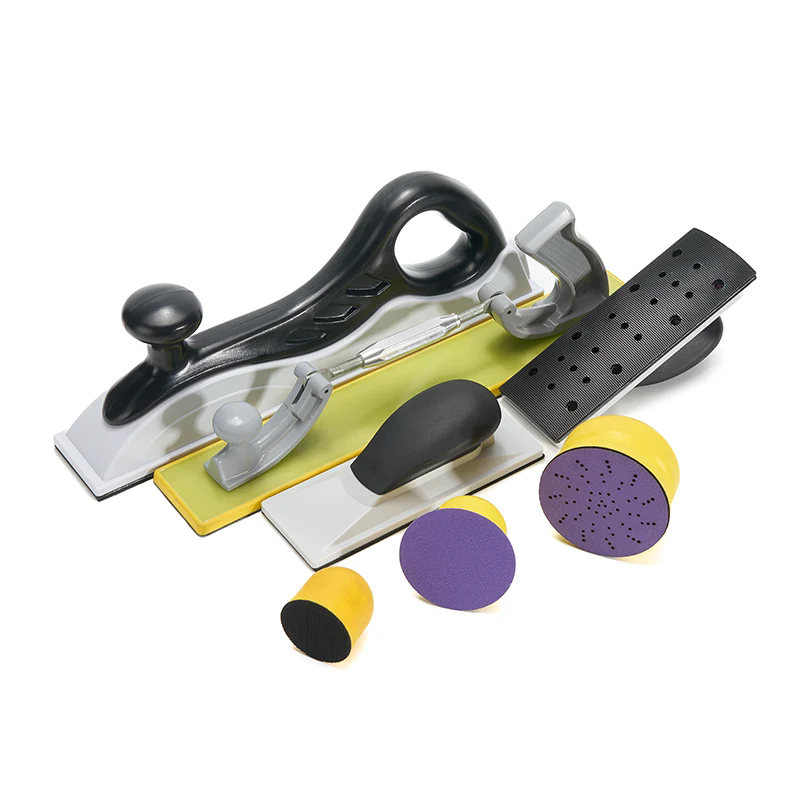
A professionally engineered hand sanding block typically integrates ergonomic geometry, stable abrasive contact, and vibration-free operation to deliver high-precision finishing. Below is a consolidated parameter table summarizing a high-quality industrial-grade model:
| Specification | Details |
|---|---|
| Material Construction | High-density EVA, rubberized composite, or lightweight polyurethane |
| Block Size Options | 70×125 mm / 70×198 mm / custom lengths |
| Grip Design | Ergonomic curved grip or flat palm-fit design |
| Weight | 80–150 g depending on size |
| Abrasive Attachment | Hook & loop (Velcro), clip-on edges, or PSA adhesive pads |
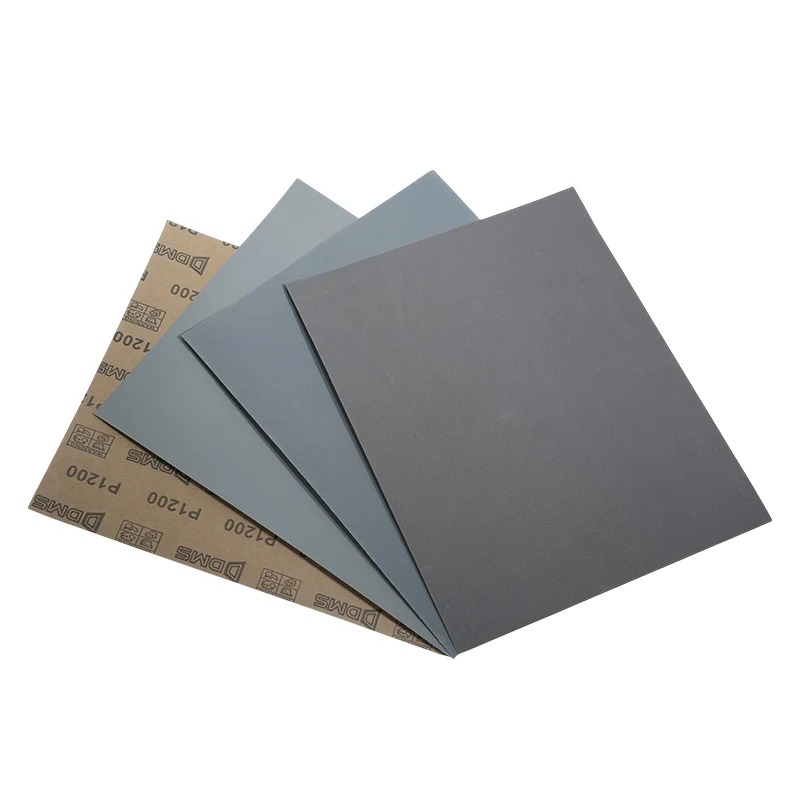
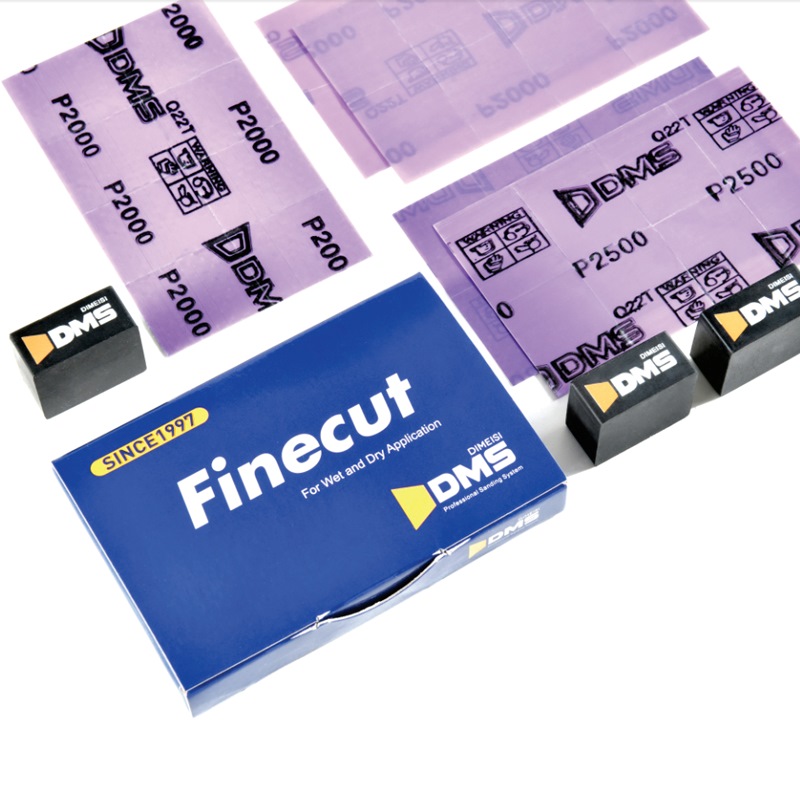
| Compatible Abrasive Types | Sandpaper sheets, sanding mesh, film-backed abrasives |
| Surface Contact Area | Full-flat contact for uniform sanding pressure |
| Heat Resistance | Up to 70–120°C depending on material |
| Ideal Applications | Wood finishing, auto body repair, metal deburring, paint preparation |
This configuration ensures consistent surface leveling, reduced hand strain, excellent dust extraction compatibility (when paired with perforated abrasives), and a higher degree of finish control compared to bare-hand sanding.
How Does a Hand Sanding Block Solve Common Surface Preparation Problems?
A well-designed hand sanding block addresses several key challenges in modern surface finishing. Below are in-depth explorations framed through question-driven analysis:
How does a sanding block improve pressure distribution?
A sanding block disperses hand pressure evenly across the abrasive surface. This prevents localized scratching and gouging that often occur when sandpaper is held directly by hand. Uniform pressure results in a flatter, cleaner finish—critical for woodworking joinery, automotive priming, and metal refinishing where surface levelness directly influences coating adhesion.
How does it enhance sanding precision in tight or curved areas?
Specialized sanding blocks feature contoured shapes or flexible bodies that allow precise control on edges, narrow surfaces, and subtle curves. This is especially advantageous in automotive bodywork where transitions between panels require delicate pressure balancing to preserve original geometry.
How does a sanding block improve operator comfort during long sessions?
The ergonomic grip design reduces wrist strain and prevents finger fatigue. The block’s geometry eliminates pressure points, allowing prolonged sanding with stable control. This directly impacts productivity in furniture factories, automotive restoration shops, and industrial finishing lines.
How does it support abrasive longevity and efficiency?
By preventing uneven pressure and abrasive folding, sanding blocks reduce premature grain breakage and surface clogging. Consistent contact means the abrasive wears evenly and lasts longer, reducing material waste and overall operational costs.
How Do the Advantages of Hand Sanding Blocks Compare to Power Sanding Solutions?
A critical analytical comparison reveals why hand sanding blocks remain indispensable despite advancements in power tools.
How do hand sanding blocks outperform power sanders in precision-critical tasks?
Power sanders excel in fast material removal but cannot match the tactile sensitivity required for final finishing. Hand sanding blocks allow micro-level adjustments, enabling:
-
Feathering paint edges during automotive repair
-
Preparing wood before applying stains or oils
-
Finely smoothing metal components to avoid swirl marks
-
Restoring delicate surfaces that cannot withstand machine vibration
This tactile feedback is impossible to replicate with powered equipment.
How do sanding blocks reduce the risk of over-sanding?
Without the aggressive action of machines, hand blocks give operators full control over abrasion intensity. This prevents accidental rounding of edges, thinning of coats, or sanding-through on veneer—issues that often require costly repairs.
How does the cost-benefit ratio compare?
Hand sanding blocks require minimal maintenance, have no energy consumption, and support a wide range of abrasive types. For small workshops, they provide professional finishing quality without the expense of specialized sanders.
How Will Hand Sanding Blocks Evolve to Meet Future Surface-Finishing Trends?
The future trajectory of manual sanding tools aligns with advancements in ergonomics, industrial safety, and abrasive science.
How will new materials enhance durability and efficiency?
EVA and rubber composites will continue being refined for improved flexibility, better grip texture, and higher heat tolerance. Lightweight carbon blends and hybrid polymers may also become common, offering superior structural stability and longer life cycles.
How will dust management integration become a key trend?
As industries prioritize cleaner work environments, sanding blocks will increasingly feature:
-
Ventilated channels
-
Hook-and-loop compatibility with perforated abrasives
-
Anti-clogging surface patterns
These enhancements will reduce airborne debris and extend abrasive performance.
How will customization influence future sanding block design?
Modular configurations with interchangeable bases will allow operators to switch between flat, curved, or angled pads instantly. This adaptability will benefit auto body technicians, professional painters, and furniture makers who require versatility across multiple surface profiles.
How will sustainability shape future production?
Eco-focused manufacturing will introduce biodegradable or recycled materials for block bodies, reducing environmental impact without compromising structural integrity.
Common Questions About Hand Sanding Blocks
Q: How should sandpaper grit be selected when using a sanding block?
A: Grit selection depends on the task. Coarse grits (60–120) remove material quickly, medium grits (150–220) smooth surfaces, and fine grits (320–600+) refine finishes before coating. For wood and metal, progression through multiple grit levels ensures uniform scratch patterns and optimal adhesion for stains or paints.
Q: How can a sanding block be maintained for long-term performance?
A: A sanding block should be cleaned after each use to remove embedded dust. EVA or rubber blocks can be rinsed lightly, while hook-and-loop surfaces should be brushed gently to preserve adhesion. Abrasives must be replaced as soon as signs of uneven wear or clogging appear to maintain consistent results.
How Does a Hand Sanding Block Continue Adding Value in Modern Finishing Work?
A high-quality hand sanding block remains essential for craftsmen, automotive technicians, and industrial finishers seeking accuracy, uniformity, and tactile control that power tools cannot replicate. Its value lies in pressure stability, ergonomic comfort, versatility across materials, and seamless compatibility with evolving abrasive technologies. Whether preparing delicate wood surfaces, perfecting a metal finish, or blending automotive coatings, the sanding block delivers unmatched finesse.
Professionals seeking advanced finishing solutions can rely on DMS, a brand recognized for precision-engineered sanding tools built to support high performance and long-term reliability. For technical inquiries, product customization options, or bulk industrial solutions—contact us to explore how DMS can support your finishing needs.
Related News
- Getting Wave Marks? Issues to Check When Using Pneumatic Sandpaper
- What Are the Benefits of Eco-Friendly Ceramic Sandpaper for Low-Dust Sanding?
- What Leads to Peeling of the Waterproof Coating on Wet Sandpaper? Key Usage Tips
- Ceramic Sandpaper vs Silicon Carbide Sandpaper: How to Pick for Your Grinding Job
- Why Anti Static Fine Sandpaper Matters in Electronics Manufacturing
- Is Porous Dust-Collecting Automotive Sandpaper Worth the Switch?
Leave me a message