Why Is Custom Sandpaper Commonly Used in Industrial Grinding? – Quality Control Choices
In the grinding workshops of large manufacturing plants, the sandpaper used at workstations is almost never the standard product found in hardware stores. They come in various shapes—rounded corners, perforated, and irregular—and feature a wide variety of adhesive backing materials. This is not because standard sandpaper is inferior, but because in industrial production, “standard” is inherently a compromise. The value of custom sandpaper lies in transforming sanding from an experience-driven craft into a data-driven precision manufacturing process.
DMS Analysis and Summary
I. Eliminating Hidden Waste
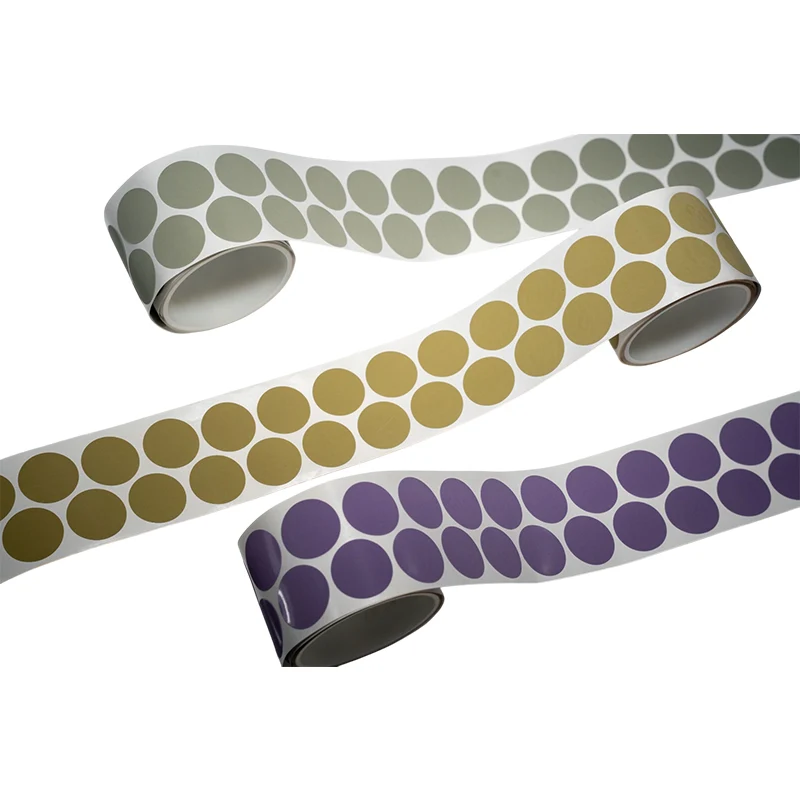
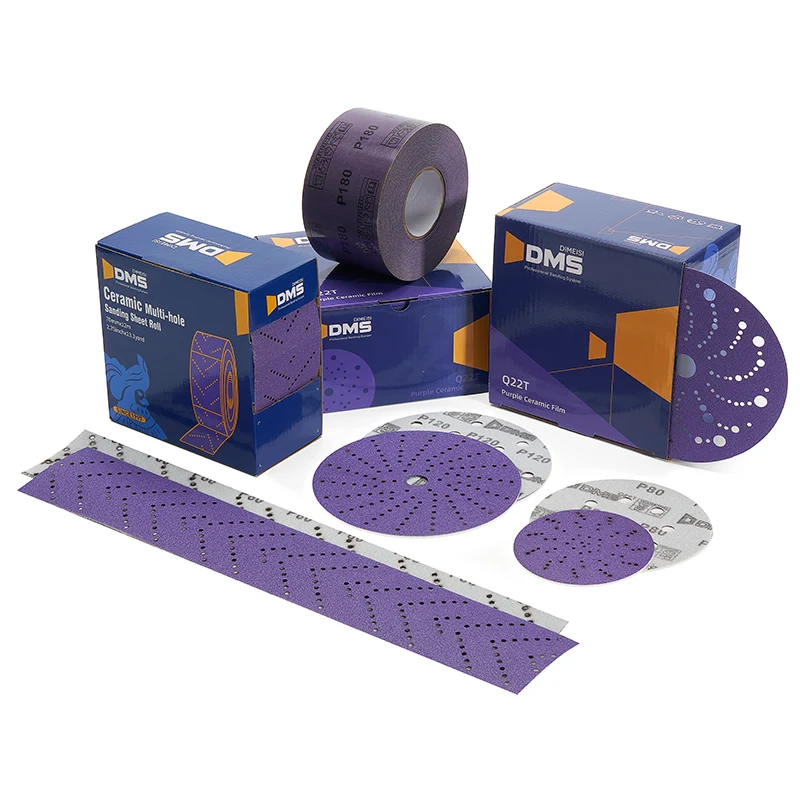
A major headache in industrial production is the ubiquitous downtime. When sanding machines have triangular, square, or irregular shapes with dust extraction holes, using standard rectangular sandpaper means workers must cut them by hand. With hundreds or even thousands of sheets used daily, the accumulated downtime is significant. The dimensional tolerances of hand-cut sheets are uncontrollable, and uneven edges cause the sandpaper to wobble when clamped, leaving vibration marks on the workpiece surface and directly lowering yield rates. Custom sandpaper is precision die-cut to equipment specifications, ready to apply straight from the package, and can be replaced in a second—saving not only cutting time but also invisible cost losses.
II. Pursuing Surface Quality and Process Consistency
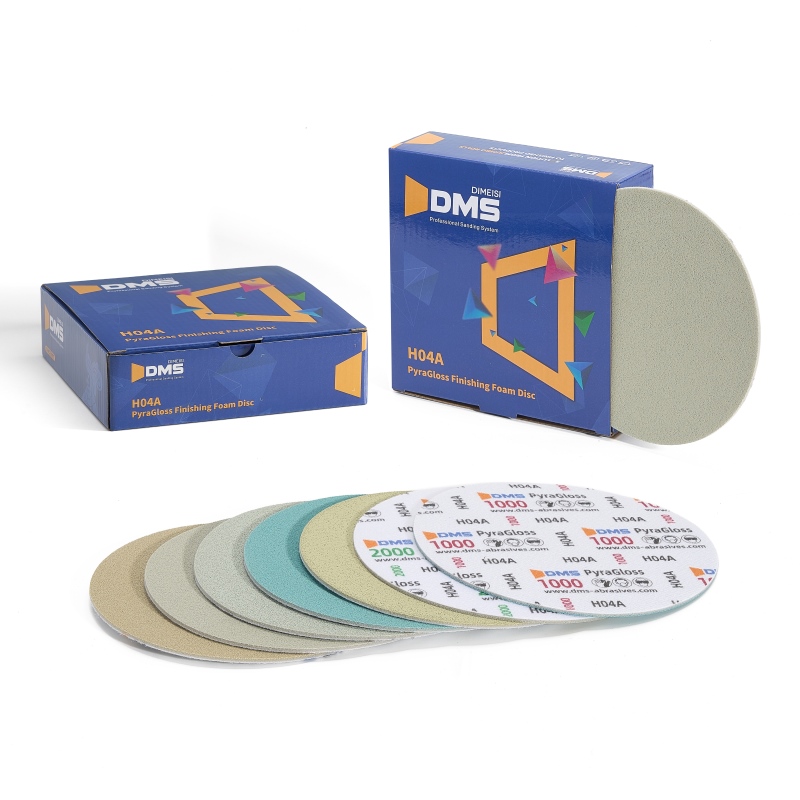
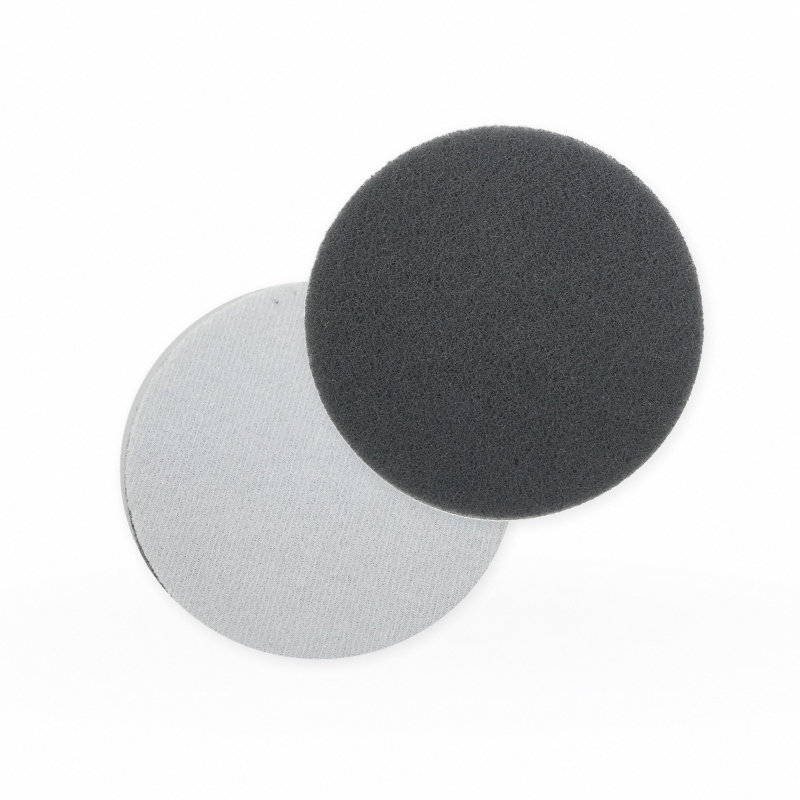
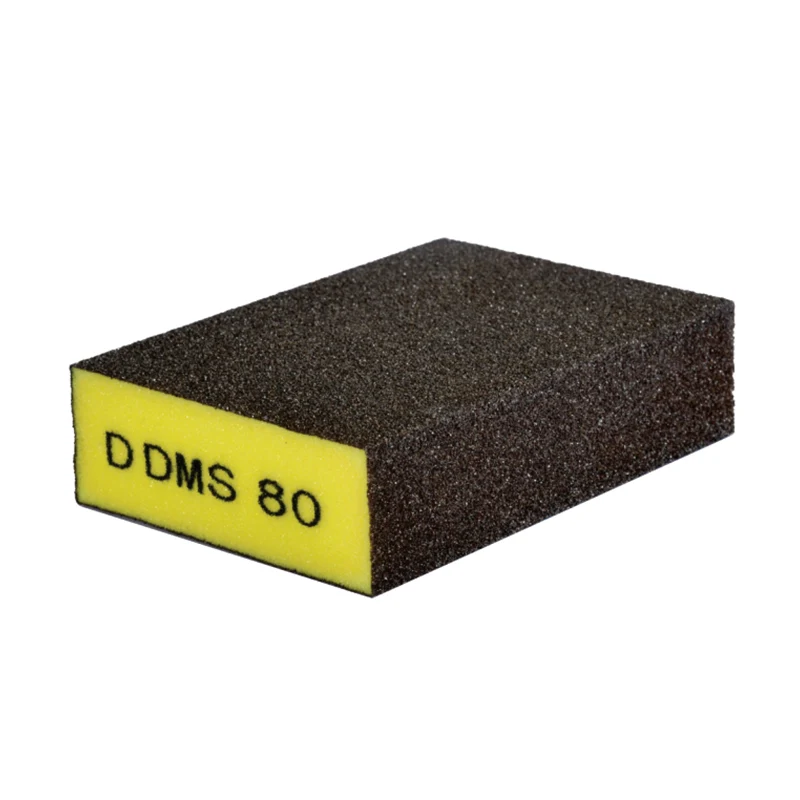
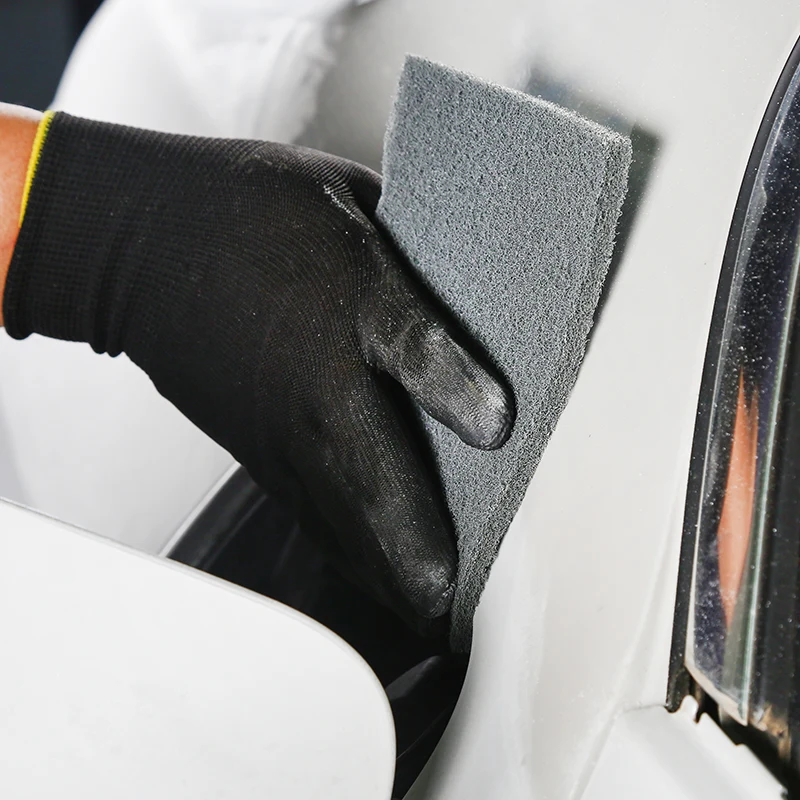
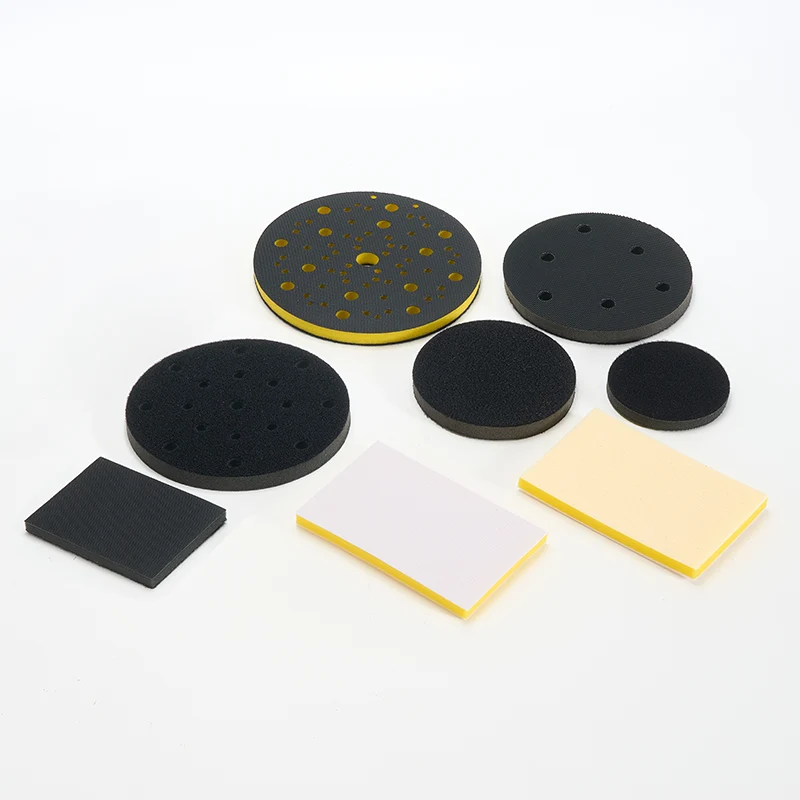
Different workpiece materials and grinding objectives often present conflicting requirements for sandpaper. Grinding aluminum alloy wheels requires anti-clogging coatings and a sparse abrasive structure; grinding smartphone glass covers requires a film backing to maintain rigidity; and grinding curved surfaces requires the elasticity of a sponge backing to conform to the curves. A standard sandpaper sheet cannot meet all these demands simultaneously. Custom sandpaper ensures highly consistent performance across every sheet by carefully selecting the origin of the abrasive, the grit density, and the binder formulation, enabling automated production lines to deliver identical results with every sanding operation.
III. Process Integration Drives Efficiency Gains
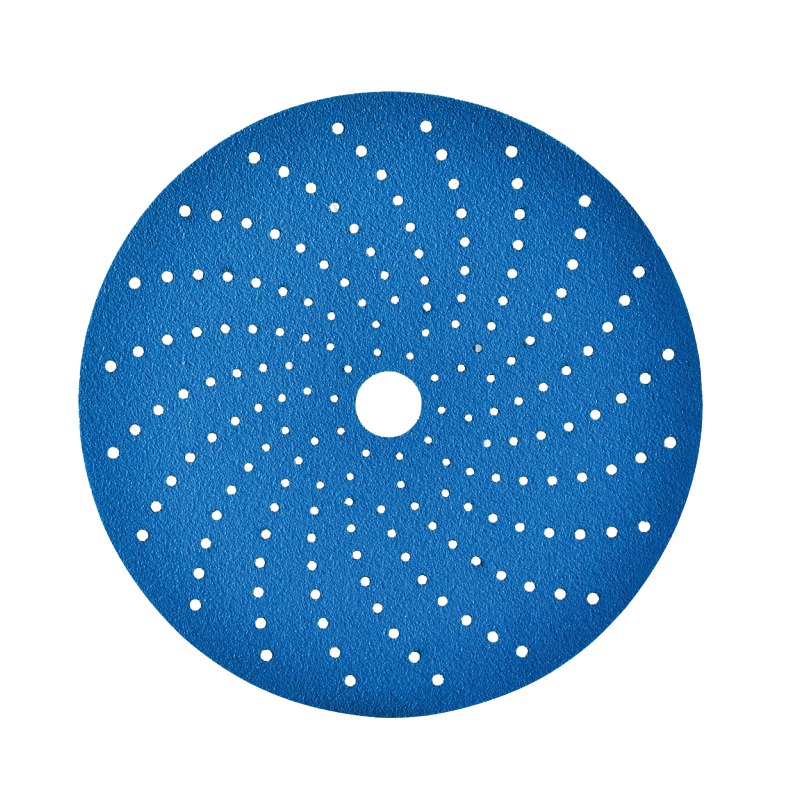
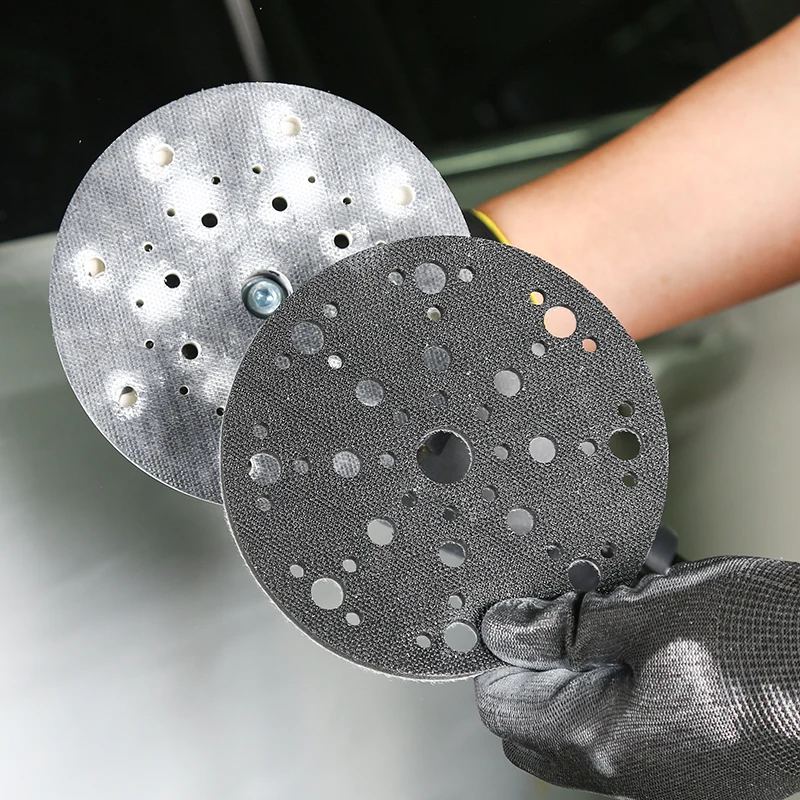
Custom sandpaper can integrate multiple functions into a single sheet. When paired with a central dust collection system, precise arrays of dust extraction holes can be cut into the sandpaper, allowing debris to be promptly removed. This not only extends the sandpaper’s lifespan but also reduces workers’ exposure to dust. The back can be laminated with hook-and-loop fasteners, adhesive strips, or snap-on mechanisms to accommodate various quick-change systems, enabling rapid replacement. It is even possible to integrate flat and edge grinding requirements onto a single custom-shaped sanding sheet, combining two processes into one.
IV. Adapting to Extreme Conditions
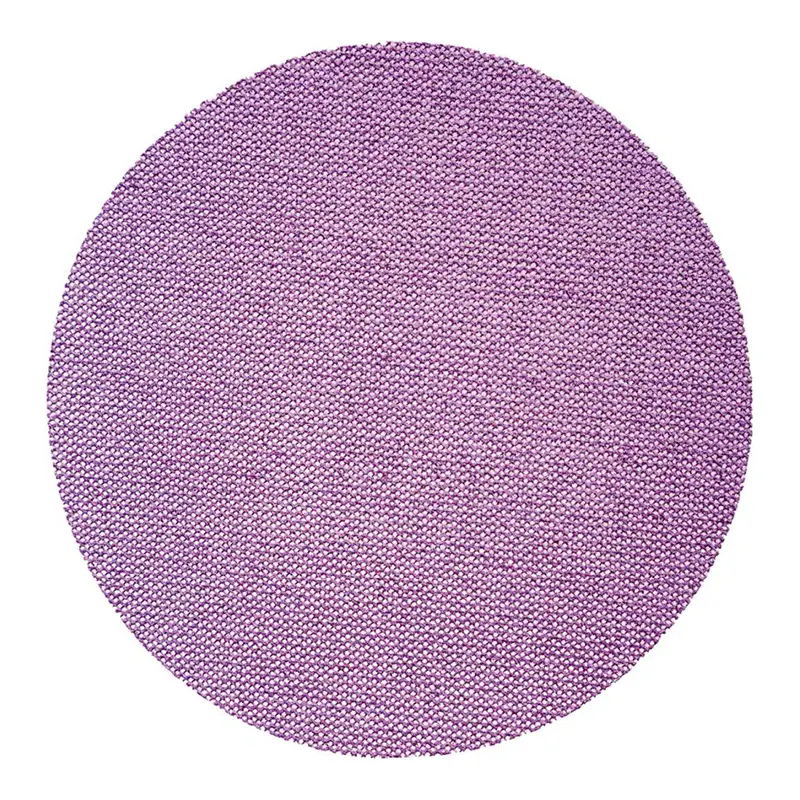
Applications such as titanium alloy grinding in the aerospace sector, special alloy processing for nuclear power equipment, and precision grinding of ceramic materials involve extremely hard materials or impose strict restrictions on impurities. Standard sandpaper abrasives often fail to meet these demands, and residues may even contaminate workpieces. In such cases, custom sandpaper using ceramic abrasives, diamond, or even cubic boron nitride is required, along with specialized sulfur- and chlorine-free formulations.
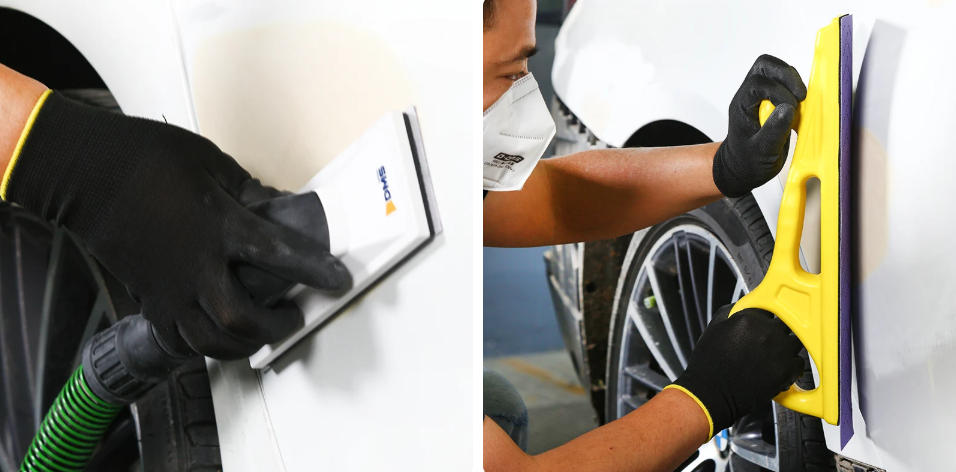
In summary, while the unit price of custom sandpaper is indeed higher than that of standard products, industrial production calculates total cost. When the elimination of cutting time, reduced equipment downtime, lower rework rates, and improved yield rates are factored in, custom sandpaper often proves to be the more cost-effective choice. It transforms grinding into a precise, controllable, and integrated standardized process—which is precisely the key to modern manufacturing.
Related News
- DMS to Showcase Innovative Abrasive Solutions at Automechanika Frankfurt 2026
- Discs, Sheets, or Rolls? Choosing the Right Collision Repair Sandpaper Format
- Buy Sandpaper for Varnish and Primer Repair: A Roundup of Top Manufacturers
- DMS to Showcase at AMR2026 Beijing Auto Maintenance & Repair Exhibition, Driving Upgrades in the Automotive Aftermarket with High-Efficiency Polishing Solutions
- DMS Showcases Innovative Abrasive Solutions at Automechanika Shanghai 2025
- DMS Abrasives Strengthens Global Market Presence with Successful Showcase at SEMA Show 2025
Leave me a message