Discs, Sheets, or Rolls? Choosing the Right Collision Repair Sandpaper Format
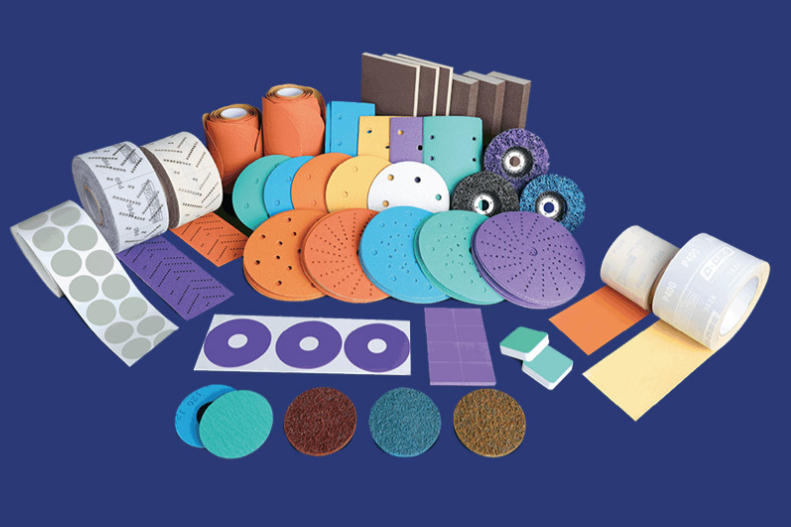
Walk into a busy auto body shop, and you’ll see all three types of collision repair sandpaper in use — discs spinning at high speed on dual-action sanders, sheet sandpaper torn into palm-sized pieces for wet sanding, and rolls hung on racks next to workstations for easy access. But when it comes to purchasing, which format offers the best return on investment? And how should you allocate your budget among discs, sheets, and rolls?
The answer depends on the specific sanding tasks your shop handles on a daily basis.
Circular Sanding Discs
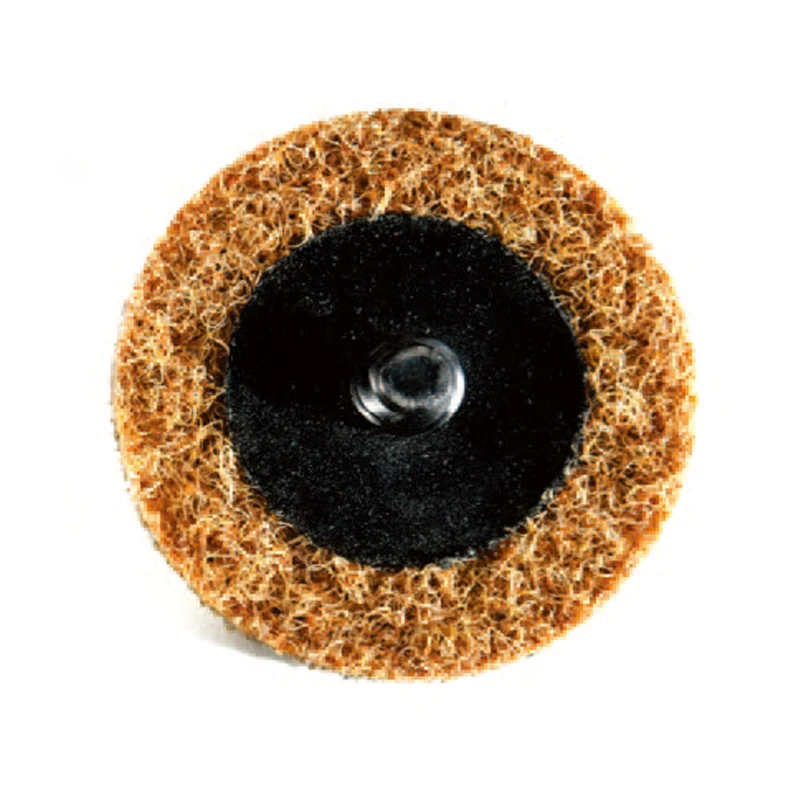
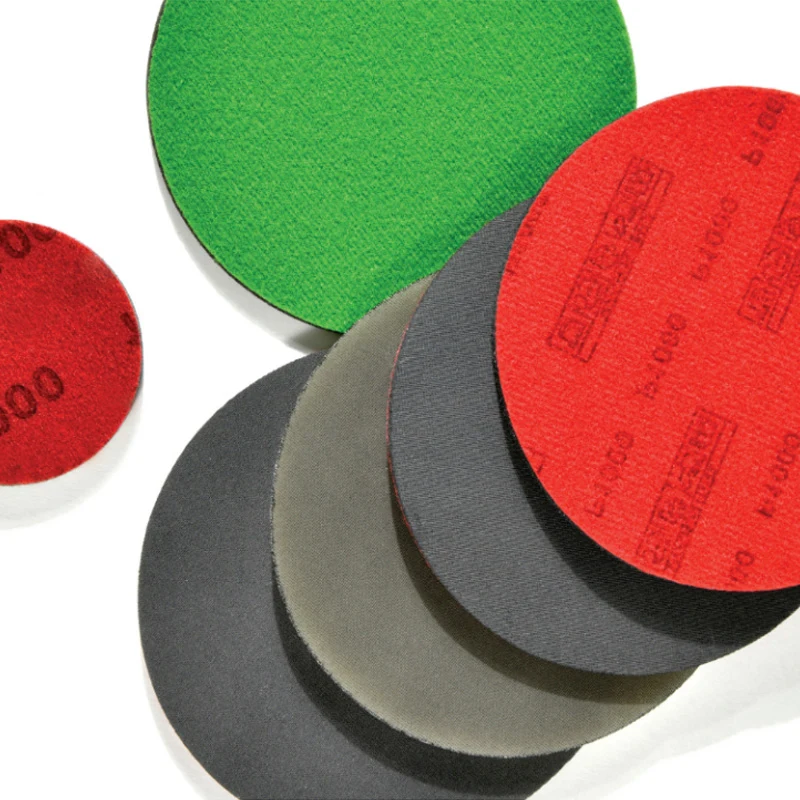
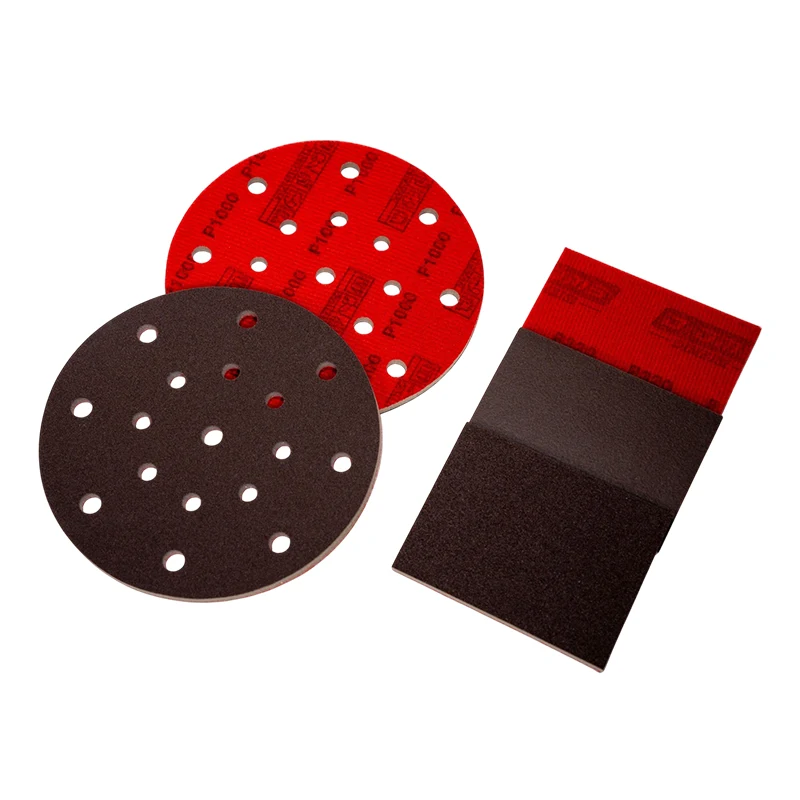
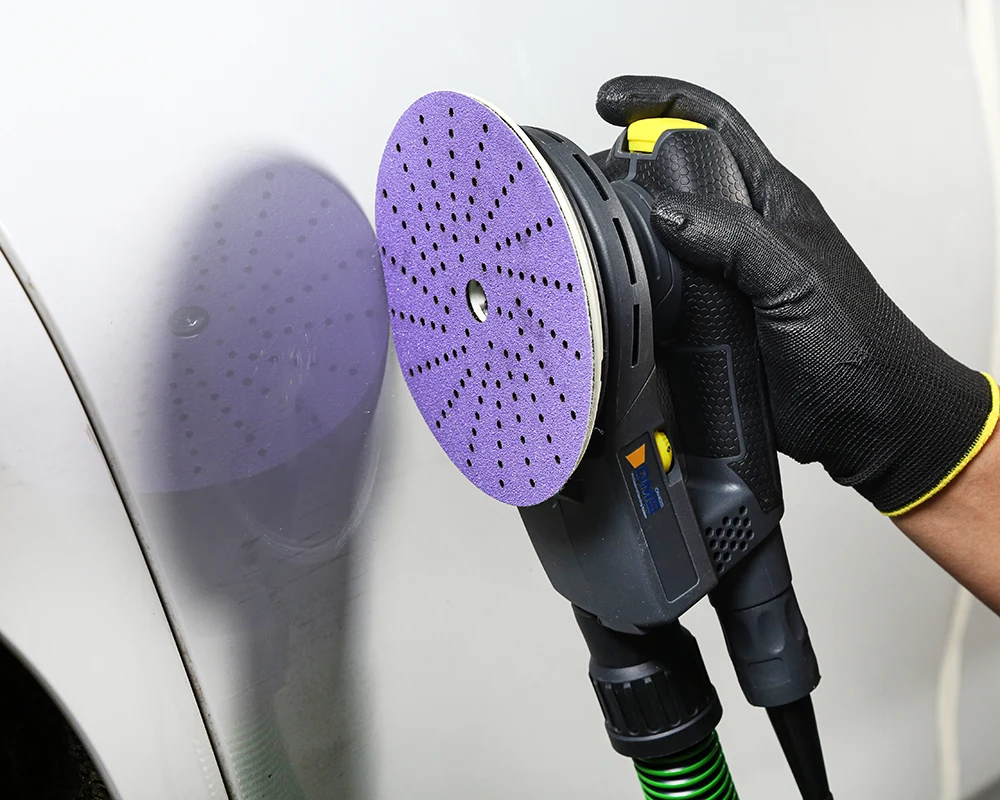
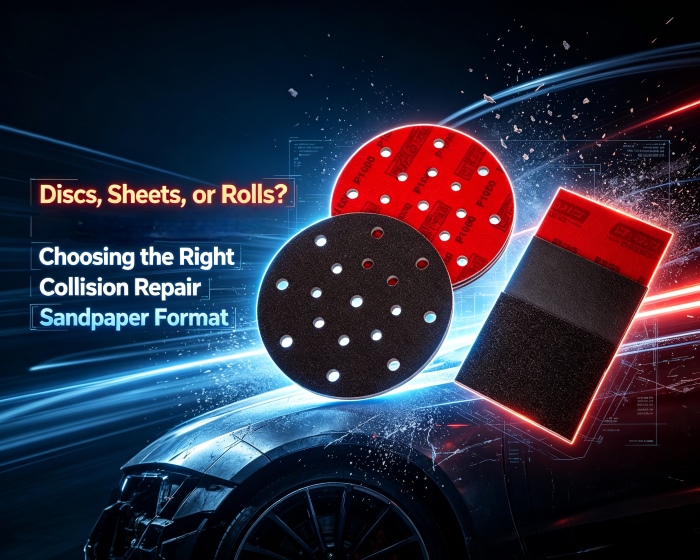
Circular collision repair sanding discs, typically 5 or 6 inches in diameter, are the core consumables for any body shop that uses dual-action sanders. Their main advantage lies in their efficiency on large surfaces — areas such as roofs, hoods, door panels, and fenders, where body filler application and primer sanding are required. In these cases, discs are far more efficient than other formats. Their porous design allows for direct integration with dust collection systems to remove sanding debris, keeping the work area clean and minimizing clogs. If your shop needs to ensure a smooth, consistent sanding finish on large surfaces while reducing operator fatigue, round sanding discs should make up the largest portion of your inventory.
From a procurement perspective, round discs significantly reduce disc-changing time. The hook-and-loop backing system allows worn-out discs to be peeled off and replaced with new ones in seconds, keeping the workflow smooth. However, round discs are not well-suited for narrow contours, edges, or areas inaccessible to dual-action sanders — which is precisely where sheet sandpaper and rolls come into play.
Sheet Sandpaper
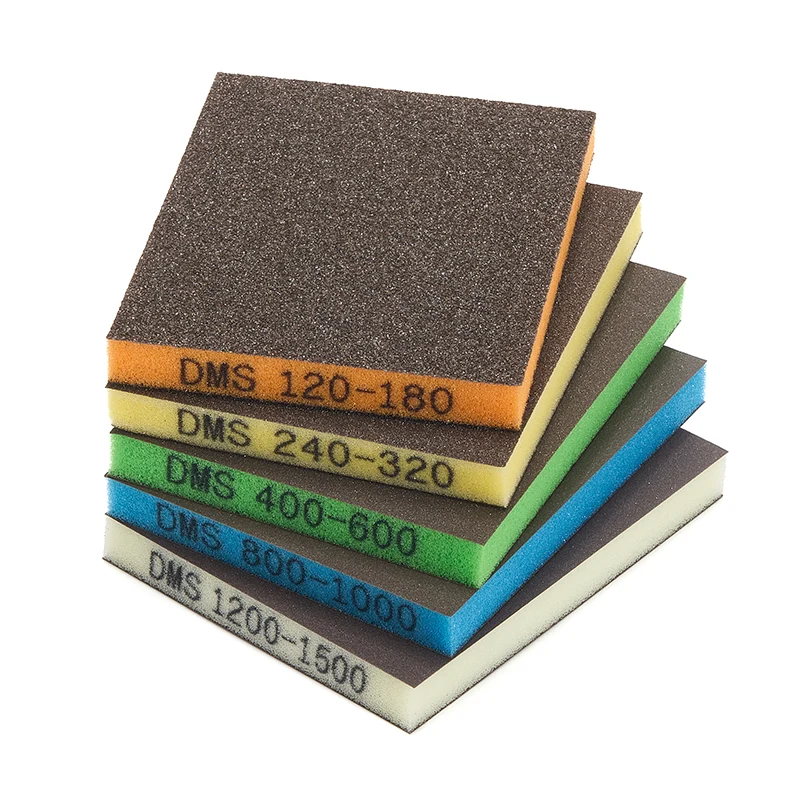
Standard 9-inch × 11-inch collision repair sandpaper remains an indispensable consumable for manual sanding. After machine sanding is complete, technicians use sheet sandpaper to refine body lines, sand edges, wet-sand clear coat, or work manually on small repair areas where power tools are too aggressive or difficult to control. Sheet sandpaper can be folded, torn into smaller pieces, or wrapped around a sanding block for use. For wet sanding of primer and clear coat, waterproof sheet sandpaper is the preferred choice.
When stocking sheet sandpaper, consider the full range of grits required for finishing operations. Although sheet sandpaper may be used in smaller quantities than circular discs, having the correct grits on hand — from P800 to P3000 — can prevent workflow interruptions. A common mistake is purchasing too few fine-grit sheets, which forces technicians to repeatedly use worn-out sheets, risking inconsistent surface quality.
Sandpaper Rolls
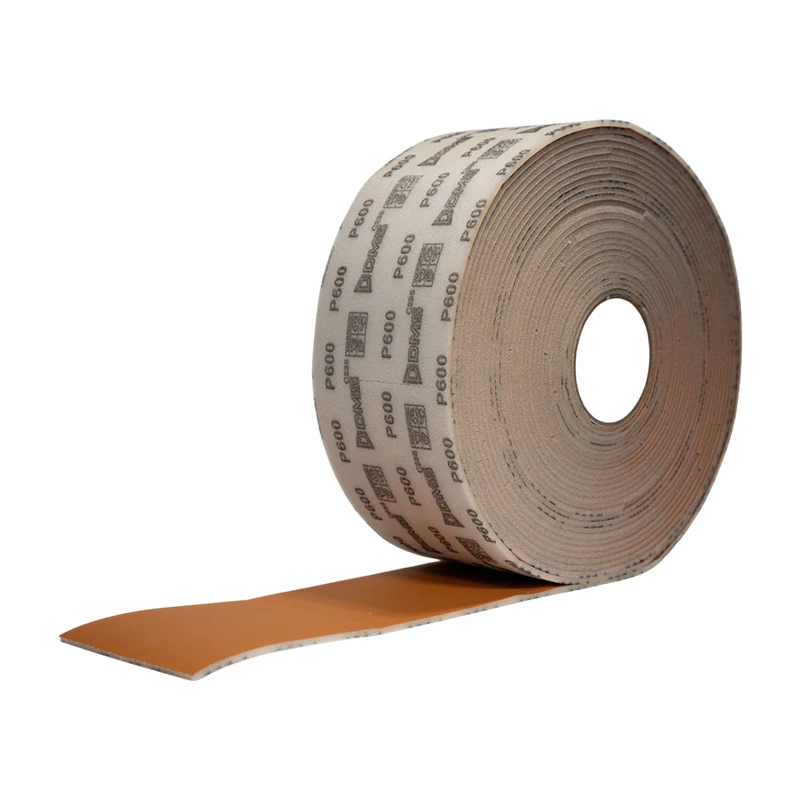
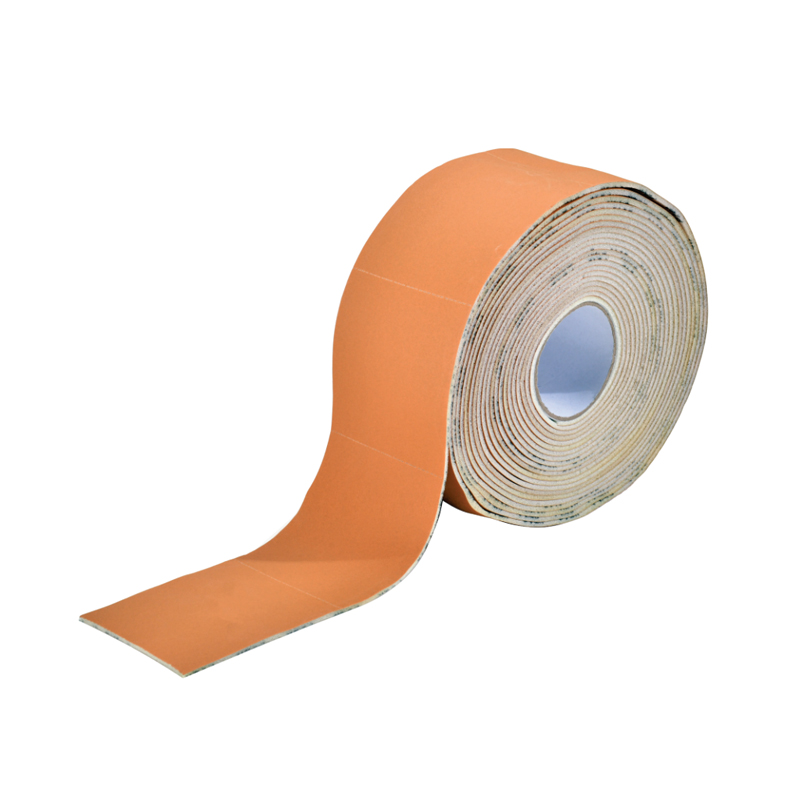
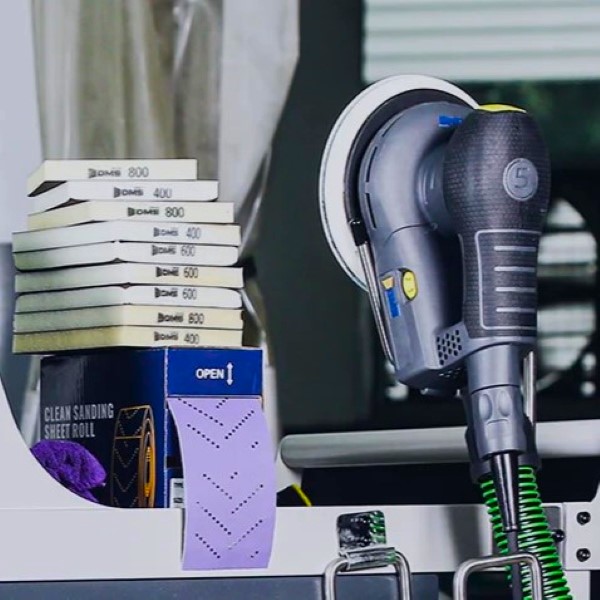
Sandpaper rolls offer another advantage: flexibility in size. For shops that require extensive manual sanding on a variety of panel shapes, rolls allow you to tear off precise lengths as needed, reducing waste compared to using full sheets of collision repair sandpaper. Rolls are also commonly used for bench sanding, working on small parts, and in conjunction with straight grinders or hand sanding pads. Calculated per square meter, rolls are generally more economical than pre-cut sheets, making them a wise choice for workstations performing high-volume manual sanding.
However, rolls require slightly more careful management — a clean, organized cutting table and proper storage help maintain the material’s performance and make it easier for technicians to access. When production cycles demand faster turnaround, pre-cut sheets or circular sandpaper may offer greater convenience.
How Should You Allocate Your Purchasing Budget Among These Formats?
There is no one-size-fits-all formula, but many body shops follow a practical rule of thumb: allocate approximately 60–70% of the sandpaper budget to circular discs for dual-action sanders, 20–25% to sheet sandpaper for finishing and manual work, and the remaining 5–10% to rolls to accommodate custom sizes and high-intensity manual sanding. This ratio may vary depending on whether the shop focuses on high-volume, quick repairs or customized repairs, the latter of which often requires more manual sanding.
The key is to understand your actual consumption patterns before placing a large order. Pay attention to which grits run out first, and observe whether technicians are having to make do with alternative options due to a shortage of the correct collision repair sandpaper formats. Purchasing a full range of sandpaper formats from a single supplier also helps streamline the reordering process and reduce administrative complexity.
About Us
DMS is your one-stop supplier for all sandpaper formats. DMS offers collision repair sandpaper in all three formats mentioned above — round discs, standard sheets, and rolls — with consistent abrasive quality across the entire product line. We provide you with a practical choice backed by strong manufacturing capabilities.
Related News
- Buy Sandpaper for Varnish and Primer Repair: A Roundup of Top Manufacturers
- Why Is Custom Sandpaper Commonly Used in Industrial Grinding? – Quality Control Choices
- DMS to Showcase at AMR2026 Beijing Auto Maintenance & Repair Exhibition, Driving Upgrades in the Automotive Aftermarket with High-Efficiency Polishing Solutions
- DMS Showcases Innovative Abrasive Solutions at Automechanika Shanghai 2025
- DMS Abrasives Strengthens Global Market Presence with Successful Showcase at SEMA Show 2025
Leave me a message