How Are Net Abrasives Redefining Surface Preparation Standards Across Industries?
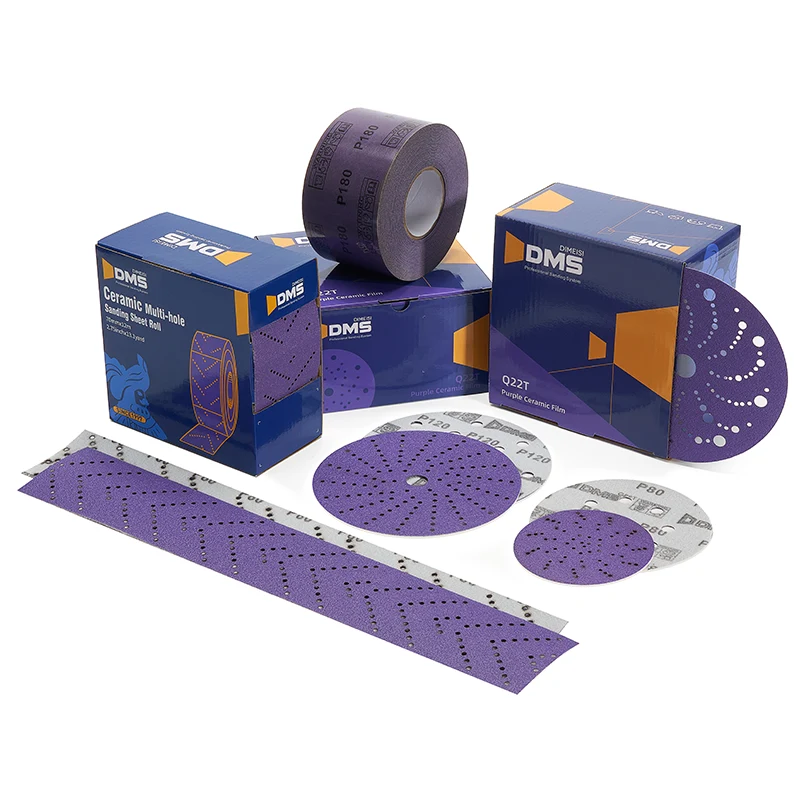
Net abrasives are a category of coated abrasives engineered with an open, mesh-based structure that replaces traditional paper or film backings. This design allows abrasive grains to be distributed across a woven or molded net, creating a fully perforated surface rather than isolated dust-extraction holes. The result is a sanding and grinding solution designed to support consistent material removal, extended service life, and stable performance across a wide range of substrates.
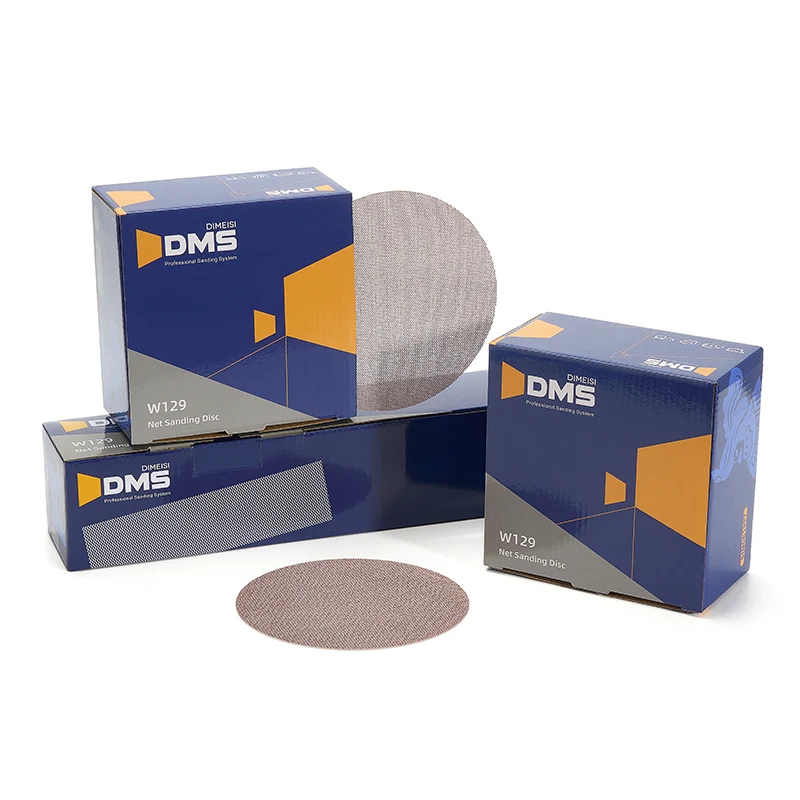
Net abrasives are commonly used for paint removal, surface leveling, intermediate sanding, and fine finishing. Their compatibility with both dry and wet sanding processes, as well as manual and machine-assisted operations, makes them suitable for high-throughput production lines and precision finishing tasks alike.
Technical Parameters and Material Specifications
The performance of net abrasives is primarily determined by their structural composition, abrasive grain selection, bonding method, and dimensional consistency. Unlike conventional abrasives, the net construction enables airflow across the entire working surface, which has a direct impact on temperature control, dust evacuation, and cut uniformity.
Below is a consolidated technical specification overview illustrating common industry parameters for net abrasives. This single table is intended to provide a professional reference framework rather than product-specific limitations.
| Parameter Category | Typical Specification Range |
|---|---|
| Backing Structure | Polyamide or polyester net mesh |
| Abrasive Grain Types | Aluminum oxide, ceramic alumina, silicon carbide |
| Grit Range | P80 – P1000 (FEPA standard) |
| Bonding System | Resin-over-resin or hybrid resin |
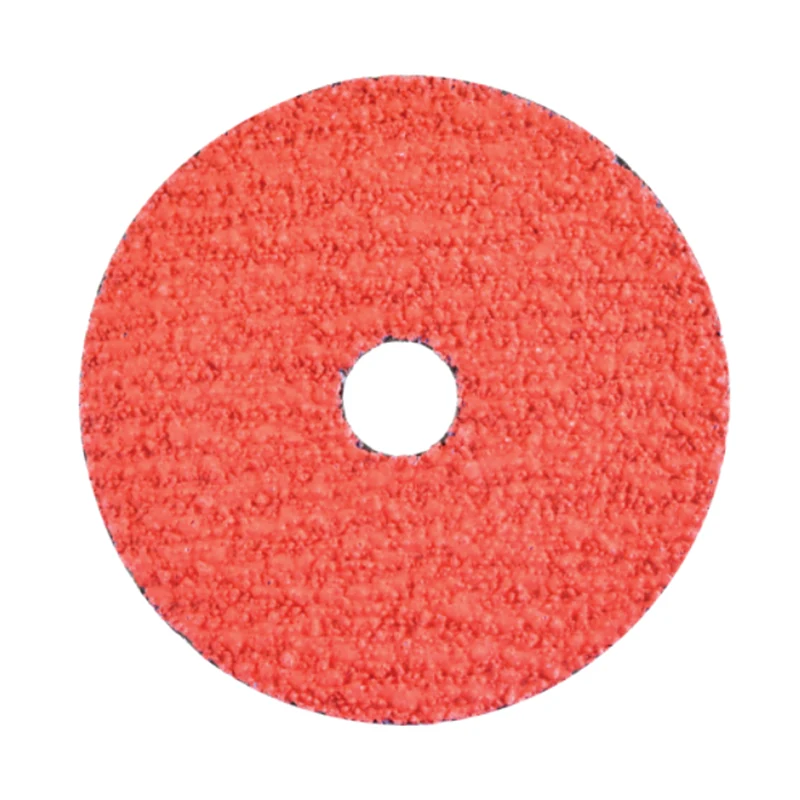
| Disc Diameter | 75 mm, 125 mm, 150 mm, custom sizes |
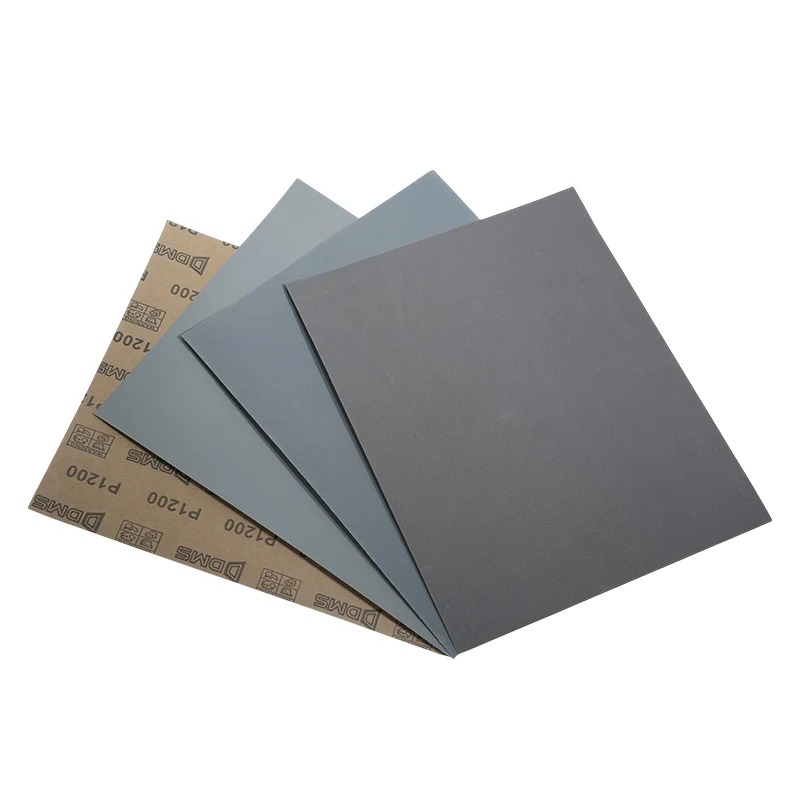
| Sheet Dimensions | 70 × 125 mm, 81 × 133 mm, custom |
| Hole Pattern | Full-surface open mesh |
| Operating Mode | Dry or wet sanding |
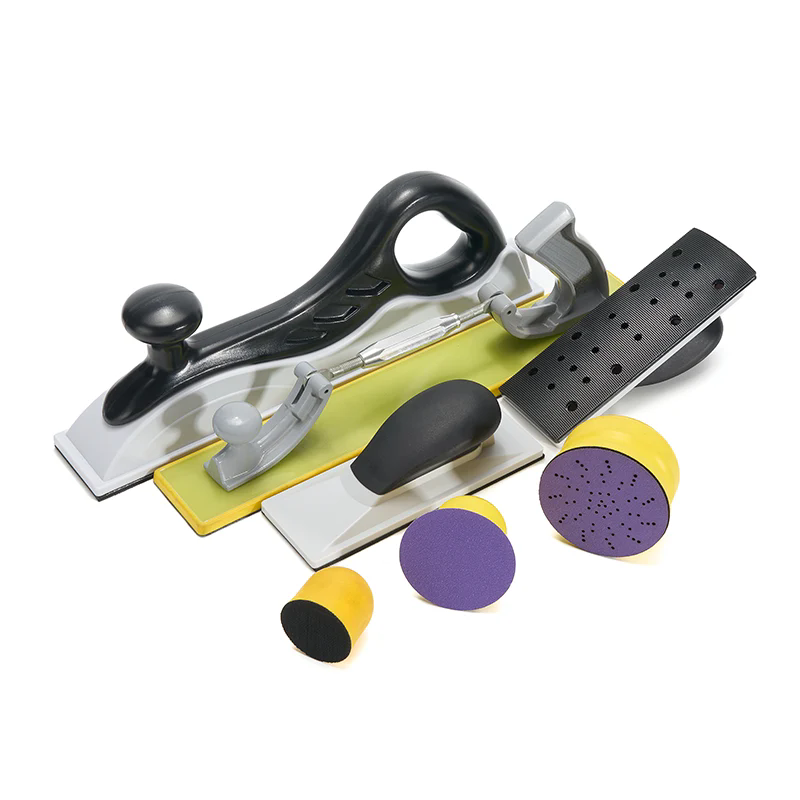
| Compatible Tools | Random orbital sanders, DA sanders, hand blocks |
| Heat Resistance | Designed for continuous operation under friction |
From a materials-engineering perspective, the open mesh backing plays a critical role in maintaining grain exposure throughout the abrasive lifecycle. As swarf and dust are evacuated through the net structure, the cutting edges remain accessible, reducing premature loading and maintaining a stable scratch pattern. This characteristic is particularly relevant in applications involving soft coatings, primers, fillers, and resin-based materials.
The bonding system is also a decisive factor. Resin-based bonds are formulated to anchor abrasive grains securely while allowing controlled micro-fracturing in higher-performance grain types, such as ceramic alumina. This balance supports predictable wear and repeatable results across multiple sanding cycles.
Application Logic, Performance Behavior, and Industry Adoption
The adoption of net abrasives is closely tied to changes in production environments and regulatory expectations. As dust management, workplace safety, and finish consistency become higher priorities, abrasive solutions that integrate seamlessly with extraction systems gain operational relevance.
Surface Preparation Workflows
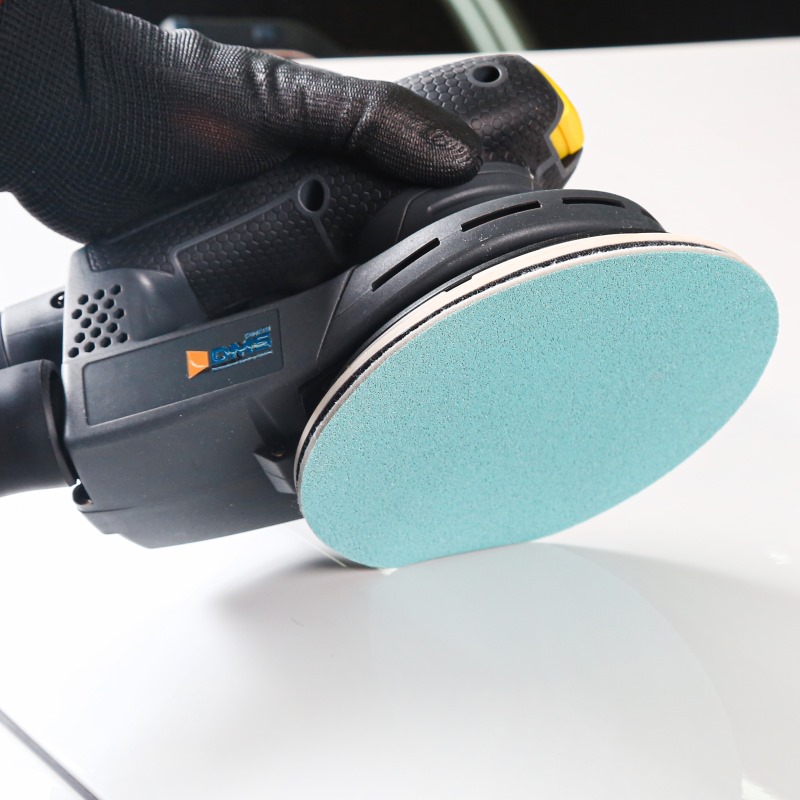
In automotive refinishing, net abrasives are frequently used during primer sanding, blending, and clear-coat preparation. The uniform airflow through the abrasive surface supports consistent contact pressure, which contributes to even scratch depth and reduced risk of localized overheating.
In woodworking and furniture manufacturing, net abrasives are applied to solid wood, veneers, MDF, and coated panels. Their structural flexibility allows conformity to contoured surfaces while maintaining sufficient rigidity for flat-panel leveling.
In composite and marine industries, net abrasives are used on fiberglass, gel coats, and carbon-reinforced components. The ability to manage resin dust and maintain cutting efficiency is a key consideration in these environments.
Operational Behavior Under Load
Net abrasives demonstrate distinct performance behavior when compared to closed-coated alternatives. The open structure minimizes clogging, which stabilizes cutting speed over time. This stability reduces the frequency of abrasive changes and supports more predictable cycle times in batch or continuous production.
Temperature management is another critical factor. Improved airflow reduces friction-induced heat accumulation, which can otherwise lead to surface glazing, coating smearing, or substrate distortion. For operators, this translates into improved process control and reduced rework rates.
How Does Abrasive Structure Influence Consistency Across Batches?
By maintaining continuous dust evacuation and uniform grain exposure, net abrasives help standardize surface outcomes across multiple workpieces, even when material density or coating thickness varies.
Common Questions About Net Abrasives
How do net abrasives differ from traditional perforated sanding discs?
Traditional perforated discs rely on pre-defined holes aligned with tool extraction ports, which limits dust removal to specific zones. Net abrasives feature a fully open mesh, allowing dust extraction across the entire surface area. This structural difference supports more uniform sanding behavior, reduces localized loading, and enhances compatibility with various extraction systems regardless of hole alignment.
How should grit progression be planned when using net abrasives?
Grit progression with net abrasives follows the same fundamental principles as conventional sanding, but with greater emphasis on scratch pattern control. Incremental grit steps are recommended to ensure that previous scratches are efficiently removed without excessive material loss. Due to the stable cutting behavior of net abrasives, operators can often achieve consistent results with fewer intermediate steps, provided that pressure and tool speed are properly managed.
Brand Reference and Contact Guidance
As surface preparation requirements continue to evolve, manufacturers with a strong focus on material science and process compatibility play an increasingly important role. DMS develops net abrasive solutions engineered to meet professional standards across diverse industrial applications, with attention to structural consistency, grain performance, and tool adaptability.
For further information regarding specifications, application guidance, or customization options related to net abrasives, inquiries are welcomed. Contact us to discuss technical requirements and identify suitable solutions aligned with specific operational needs.
Related News
- Getting Wave Marks? Issues to Check When Using Pneumatic Sandpaper
- What Are the Benefits of Eco-Friendly Ceramic Sandpaper for Low-Dust Sanding?
- What Leads to Peeling of the Waterproof Coating on Wet Sandpaper? Key Usage Tips
- Ceramic Sandpaper vs Silicon Carbide Sandpaper: How to Pick for Your Grinding Job
- Why Anti Static Fine Sandpaper Matters in Electronics Manufacturing
- Is Porous Dust-Collecting Automotive Sandpaper Worth the Switch?
Leave me a message