How to Select Metal Grinding Discs for Stainless Steel and Aluminum?
Selecting metal grinding discs for stainless steel and aluminum requires careful consideration of material properties, surface finish requirements, and operational conditions. In our factory, we focus on developing abrasives that balance cutting speed, longevity, and smoothness. Dongguan King Abrasives Co., Ltd. ensures that each disc is optimized for both stainless steel, which demands high heat resistance, and aluminum, which is softer and prone to clogging. Our engineering team often guides customers through matching disc grit, bonding material, and backing type to the specific alloy they are working with.
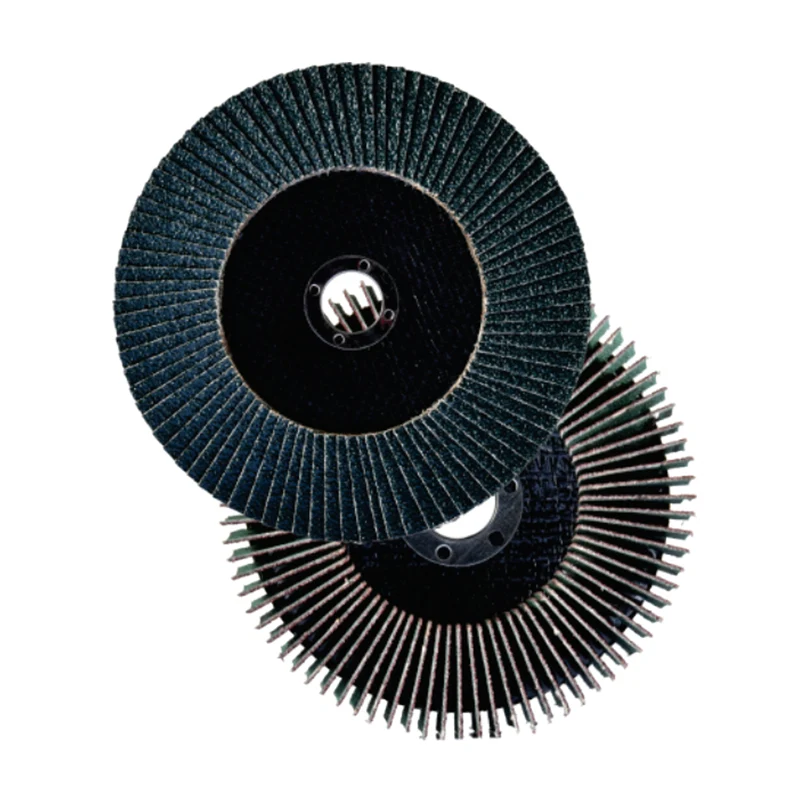
What Role Does Disc Material Play in Grinding Performance?
The choice of abrasive material directly affects grinding efficiency and surface quality. Common types include aluminum oxide, zirconia alumina, and ceramic abrasives. Aluminum oxide is versatile and performs well on general stainless steel and aluminum. Zirconia alumina offers higher durability for heavy-duty grinding and is preferred in our factory for demanding industrial applications. Ceramic discs deliver consistent performance and longer lifespan in high-speed operations.
When selecting abrasives, our engineers evaluate the hardness of the target material. Stainless steel requires a harder abrasive to maintain consistent removal rates without glazing, while aluminum benefits from softer, more friable abrasives that reduce clogging. Dongguan King Abrasives Co., Ltd. designs discs with tailored grain structures to meet these requirements and enhance operational efficiency.
How to Determine the Optimal Grit Size for Stainless Steel and Aluminum?
Grit size influences both material removal rate and surface finish. Coarse grits (24–60) remove material quickly but leave rough surfaces. Medium grits (80–120) balance cutting speed and smoothness. Fine grits (150–240) provide finishing touches and polish. In our factory, we maintain strict quality control to ensure uniform grit distribution, which minimizes vibration and extends disc life.
table below illustrates typical grit choices for different applications in stainless steel and aluminum.
| Grit Size | Material | Application | Surface Outcome |
| 24–60 | Stainless Steel | Heavy material removal | Rough cut, fast stock removal |
| 80–120 | Aluminum | General grinding | Moderate smoothness, less clogging |
| 150–240 | Stainless Steel | Finishing and polishing | Fine, smooth surface |
Why Does Bonding Type Affect Metal Grinding Disc Performance?
The bond material that holds abrasive grains determines disc rigidity, heat resistance, and longevity. Common bonds include resin, vitrified, and hybrid. Resin bonds are flexible and resist cracking, suitable for aluminum. Vitrified bonds withstand higher temperatures and are preferred for stainless steel applications. Our factory carefully calibrates bond hardness and porosity to control heat generation and reduce wear.
Dongguan King Abrasives Co., Ltd. frequently advises users on selecting the appropriate bond based on the working speed, pressure, and cooling method. This ensures that Abrasives maintain consistent performance and prevent surface burns or loading during prolonged use.
How Does Disc Diameter and Backing Type Influence Grinding?
The physical size of the disc and the type of backing play critical roles in grinding control. Larger diameters provide wider contact areas and faster stock removal, while smaller discs offer precision in tight spaces. Paper, fiber, and composite backings affect flexibility, vibration damping, and stability. At our factory, we recommend combinations that optimize both cutting efficiency and operator comfort.
Aluminum often benefits from more flexible backing to reduce clogging and scratching. Stainless steel requires stiffer backing to handle greater forces without disc deflection. Using the correct backing prolongs Abrasives life and ensures consistent surface quality.
What Factors Affect Heat Generation and Surface Finish?
Heat management is essential when grinding metals. Stainless steel generates more heat due to its hardness and lower thermal conductivity, whereas aluminum melts or sticks if excessive heat is applied. Our engineers design Abrasives with grain spacing and bond properties that dissipate heat effectively. In our factory, testing under real operating conditions ensures that discs deliver a smooth finish without discoloration or deformation of the workpiece.
Proper cooling techniques, grinding speed, and applied pressure are all critical factors we address when advising clients. By controlling these variables, our products can maintain high removal rates while protecting material integrity.
How to Match Disc Type with Operational Conditions?
Operational conditions such as speed, feed rate, and pressure influence the choice of grinding disc. High-speed grinders require Abrasives with higher thermal and mechanical resistance. Low-speed hand grinders can use softer discs to improve surface control. Our factory provides guidelines on RPM limits and force application to ensure both safety and optimal grinding performance.
Dongguan King Abrasives Co., Ltd. works closely with clients to assess workpiece geometry, alloy type, and surface requirements. This allows us to recommend a disc that achieves the desired finish efficiently while minimizing wear and energy consumption.
How to Select Metal Grinding Discs for Stainless Steel and Aluminum? Frequently Asked Questions
Q1: Which abrasive type is best for high-speed stainless steel grinding?
Zirconia alumina is ideal for high-speed stainless steel applications. Its toughness allows fast material removal while resisting glazing and heat buildup. Proper bond selection further enhances performance and disc life.
Q2: How can I prevent aluminum from clogging the grinding disc?
Use softer, friable abrasives with open grain structures. Flexible resin bonds and proper grit selection help reduce loading. Applying moderate pressure and using intermittent cooling also prolong disc life and maintain surface quality.
Q3: Does disc thickness impact performance on different metals?
Yes. Thicker discs provide rigidity for stainless steel, reducing deflection under heavy load. Thinner discs are preferable for aluminum, offering flexibility and precision without generating excess heat. Selecting the right thickness ensures stable grinding and consistent finishes.
Conclusion
Choosing the right metal grinding disc for stainless steel and aluminum involves evaluating abrasive material, grit size, bond type, disc diameter, backing, and operational conditions. Dongguan King Abrasives Co., Ltd. combines years of industrial experience with advanced manufacturing to produce Abrasives that meet diverse industrial requirements. Our team can guide you in selecting discs that maximize efficiency, surface quality, and lifespan. If you want expert advice or customized grinding solutions, contact our technical department today to optimize your metalworking operations.
Related News
- Getting Wave Marks? Issues to Check When Using Pneumatic Sandpaper
- What Are the Benefits of Eco-Friendly Ceramic Sandpaper for Low-Dust Sanding?
- What Leads to Peeling of the Waterproof Coating on Wet Sandpaper? Key Usage Tips
- Ceramic Sandpaper vs Silicon Carbide Sandpaper: How to Pick for Your Grinding Job
- Why Anti Static Fine Sandpaper Matters in Electronics Manufacturing
- Is Porous Dust-Collecting Automotive Sandpaper Worth the Switch?
Leave me a message