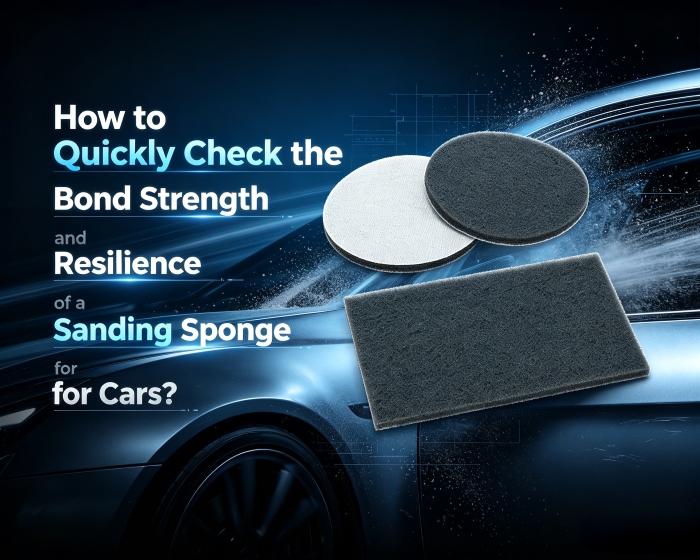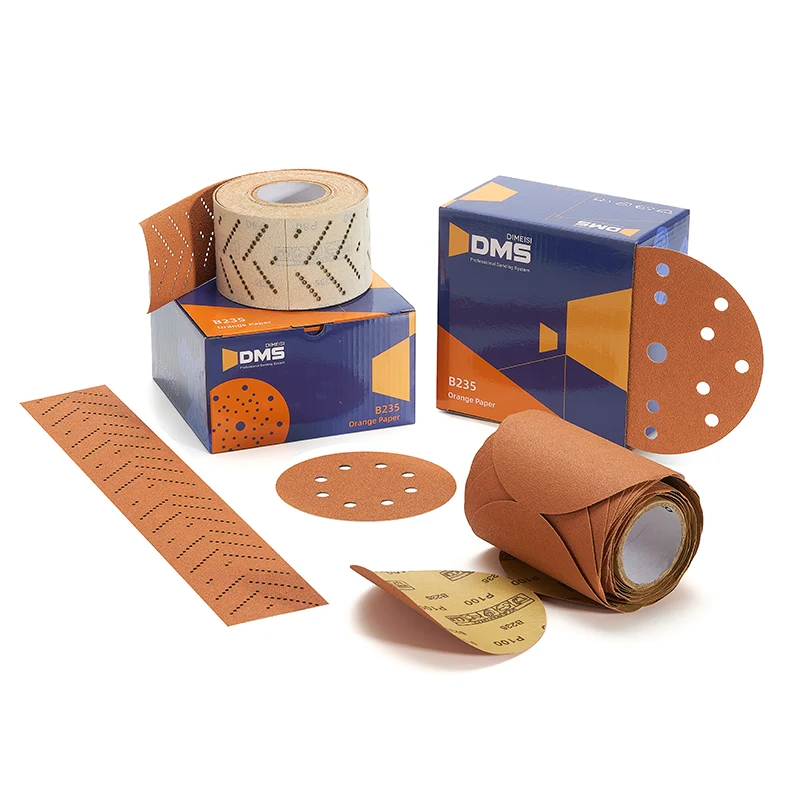
Summary: Sanding sponges are versatile tools that make surface preparation and finishing more efficient, precise, and user-friendly. This article explores how sanding sponges work, their benefits, application techniques, and tips for selecting the right type for your projects, helping you achieve professional-quality results.
Table of Contents
- What is a Sanding Sponge?
- Benefits of Using a Sanding Sponge
- Types and Grits of Sanding Sponges
- Techniques for Effective Sanding
- Maintenance and Longevity
- Frequently Asked Questions
What is a Sanding Sponge?
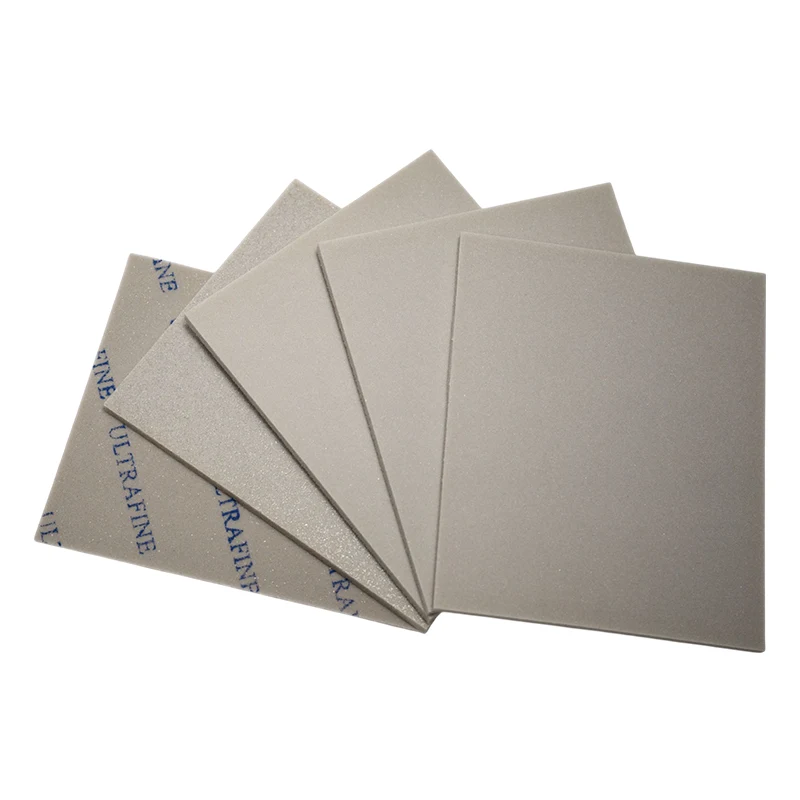
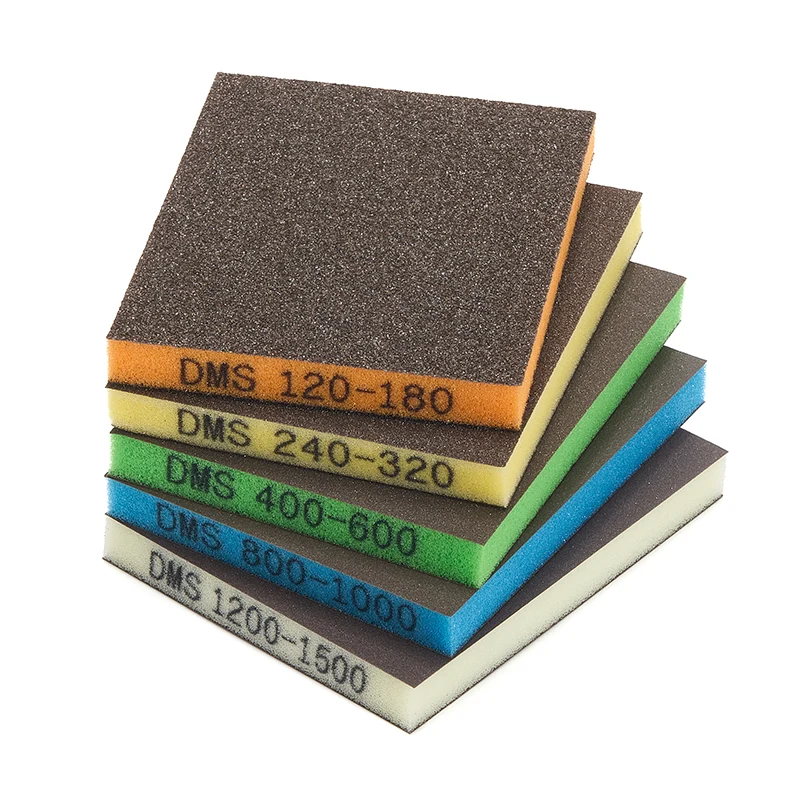
A sanding sponge is a flexible abrasive tool designed for smoothing and shaping surfaces. Unlike traditional sandpaper, sanding sponges are cushioned, allowing them to conform to contours, edges, and corners, making them ideal for woodworking, drywall, metal, and plastic projects.
- Flexible and ergonomic design
- Durable abrasive coating embedded into the sponge
- Reusable and easy to clean
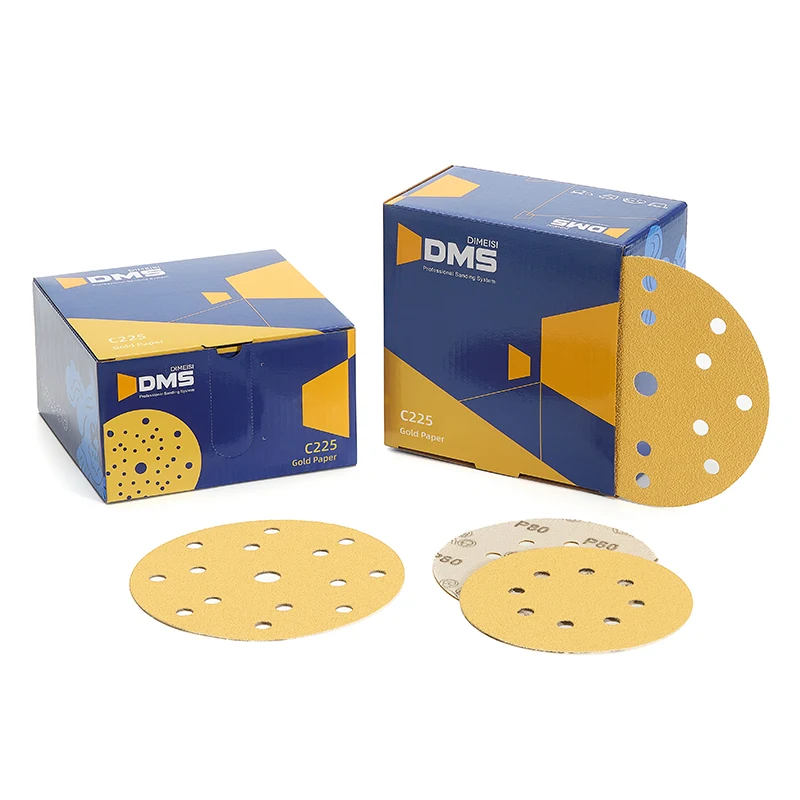
Companies like DMS provide high-quality sanding sponges that cater to both professional and DIY needs. Their products offer consistent performance across a range of surfaces.
Benefits of Using a Sanding Sponge
Sanding sponges provide several advantages compared to traditional sanding tools:
| Benefit | Description |
|---|---|
| Flexibility | Conforms to irregular shapes, edges, and corners for uniform finishing. |
| Durability | Can be rinsed and reused multiple times without losing abrasiveness. |
| Ease of Use | Ergonomic design reduces hand fatigue during prolonged sanding. |
| Versatility | Works effectively on wood, metal, drywall, and plastic surfaces. |
Types and Grits of Sanding Sponges
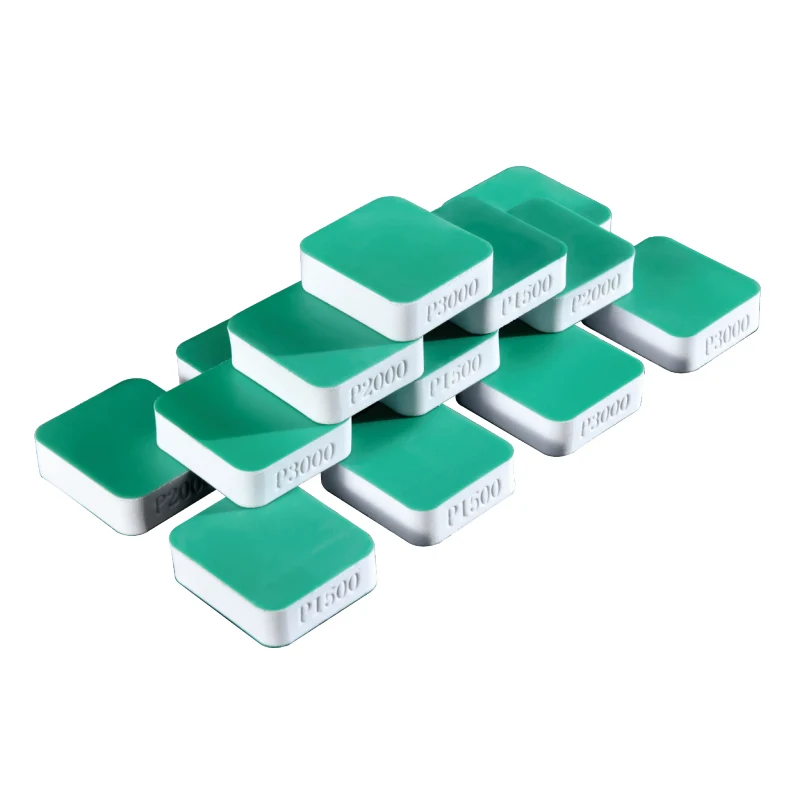
Choosing the right sanding sponge depends on the material and desired finish. Sanding sponges typically come in multiple grit levels:
- Coarse (40-60 grit): Removes rough material and old paint quickly.
- Medium (80-120 grit): Smooths surfaces and prepares them for finishing.
- Fine (150-220 grit): Achieves polished surfaces and prepares for painting or staining.
DMS offers sanding sponges in a variety of grit options, ensuring precise results for every stage of your project.
Techniques for Effective Sanding
Proper sanding techniques maximize efficiency and extend the life of your sanding sponge:
- Always sand with the grain when working with wood.
- Use light, consistent pressure to avoid gouging or uneven surfaces.
- Rinse the sponge regularly to remove debris and maintain abrasive quality.
- Use corner edges of the sponge for detailed areas or tight spaces.
For larger surfaces, a sanding block or sanding sponge in combination with a sanding motion ensures even coverage and smooth finishes.
Maintenance and Longevity
Maintaining your sanding sponge correctly increases its lifespan:
- Rinse thoroughly after each use to remove dust and particles.
- Allow the sponge to dry completely to prevent mold growth.
- Store in a clean, dry location away from direct sunlight.
By following these steps, your DMS sanding sponge will continue to perform reliably over multiple projects.
Frequently Asked Questions
Q1: Can sanding sponges be used on painted surfaces?
A1: Yes, they can remove paint gently without damaging the underlying surface, especially when using medium or fine grit sponges.
Q2: How do I choose the right grit?
A2: Start with a coarser grit to remove material quickly, then progress to medium and fine grits for smooth finishing.
Q3: Are sanding sponges suitable for wet sanding?
A3: Yes, many sanding sponges, including those from DMS, are water-resistant and suitable for wet sanding applications.
For professional-quality sanding solutions, DMS offers a full range of sanding sponges tailored to meet your project needs. Visit DMS Sanding Sponge for more information and contact us to discuss bulk orders or custom solutions for your business.