How to Choose Between Dry-Grit Sandpaper and Wet-Grit Sandpaper for Grinding Machines?
In grinding machine operations, dry-grit sandpaper and wet-grit sandpaper are arguably the two most commonly used types of consumables. While they may appear similar, they actually have distinct characteristics. Choosing the wrong type can directly negatively impact the grinding results, the surface quality of the workpiece, and overall production efficiency. How can you make the right choice? The DMS editorial team is here to help.
When selecting dry-grit sandpaper or wet-grit sandpaper for a sander, you must comprehensively consider various factors such as the material being processed, surface requirements, the sanding environment, and heat dissipation methods.
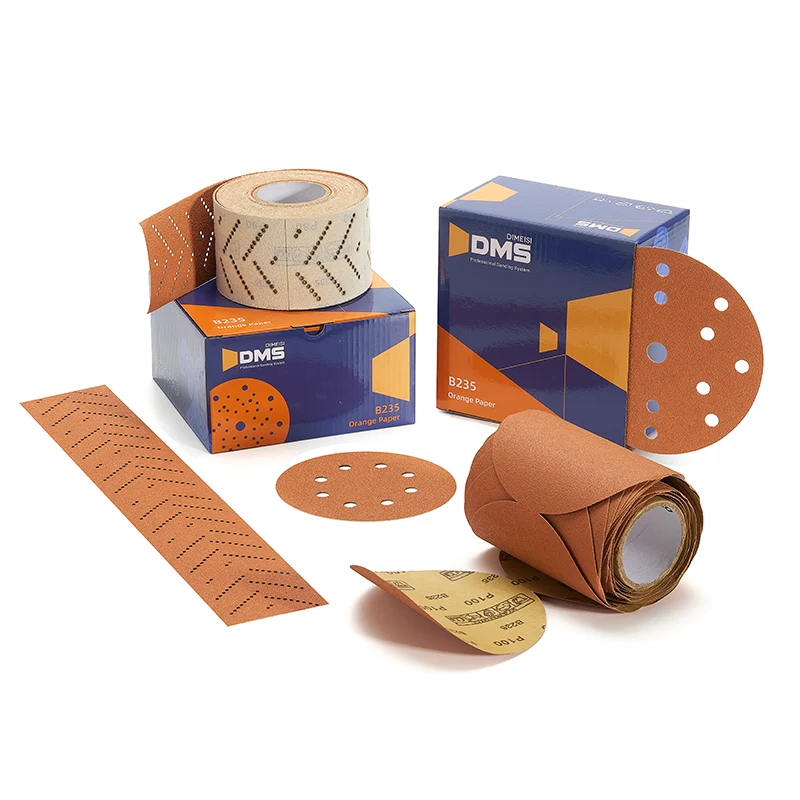
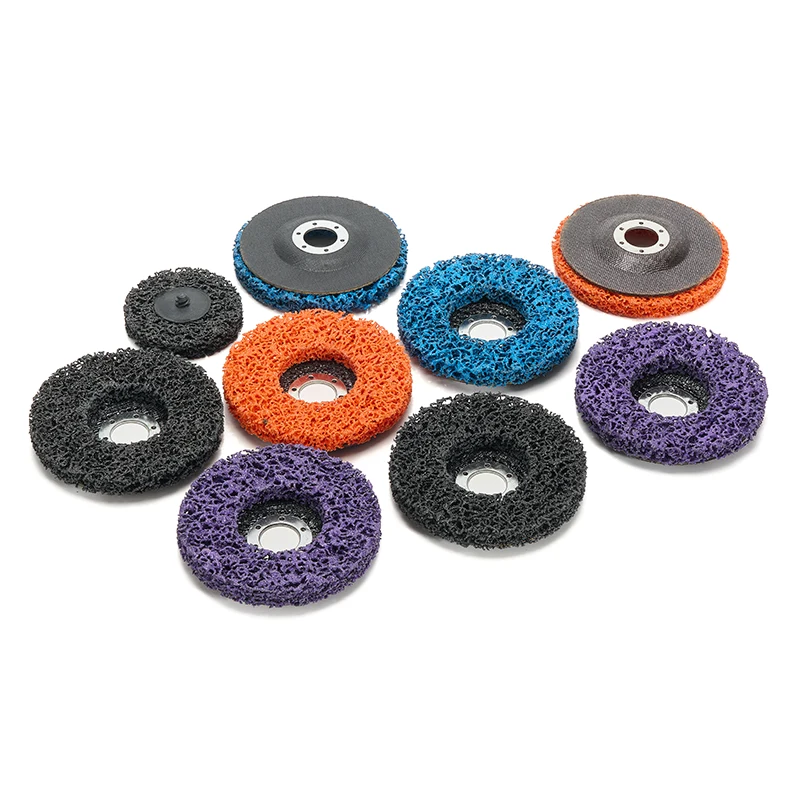
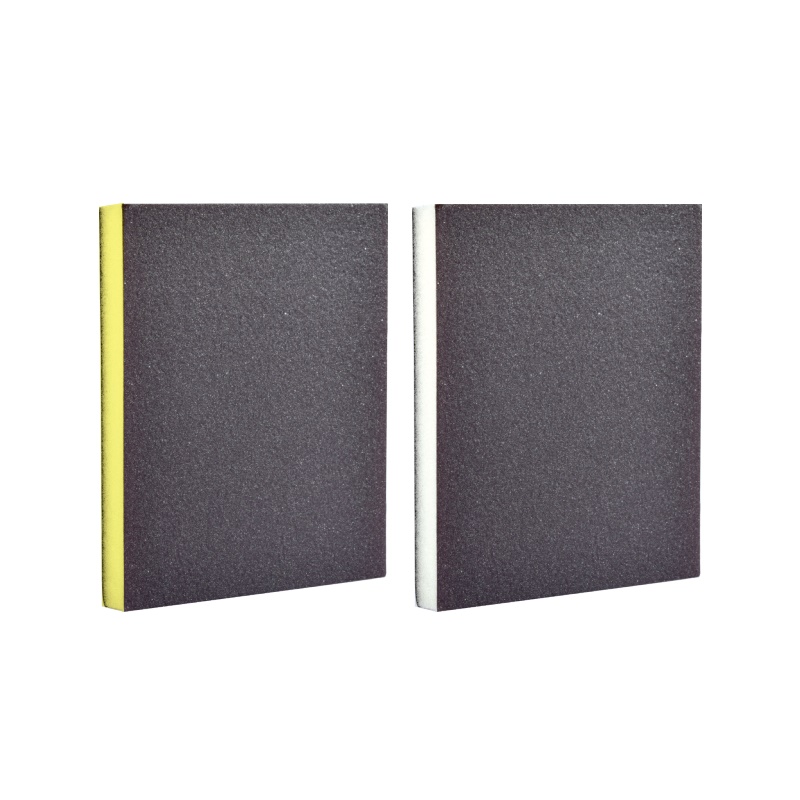
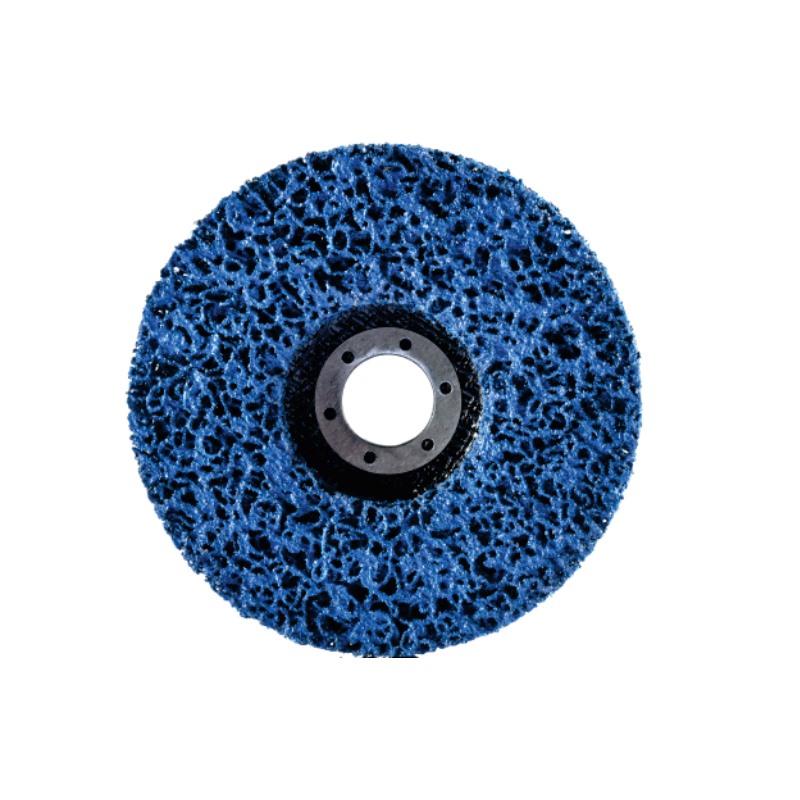
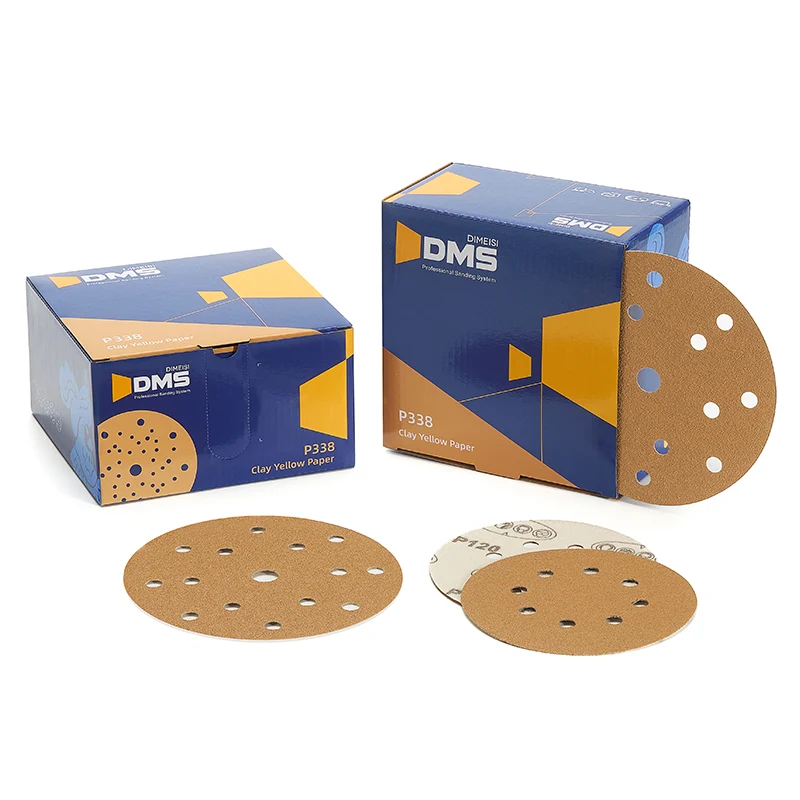
Dry-grit sandpaper uses synthetic resin as a binder, features sharp abrasive grains, and has wide gaps between them. It is primarily used for dry sanding, requires no water, and offers convenience and high efficiency. It is suitable for applications such as metal deburring, rough sanding of wood, paint surface sanding, and matte finishing of plastic casings. It is less prone to clogging and can quickly remove material, but it generates significant dust, requiring the use of a dust collector or dust-proofing measures. When prioritizing speed, working in a dry environment, or performing rough to medium sanding, dry sandpaper is the preferred choice.
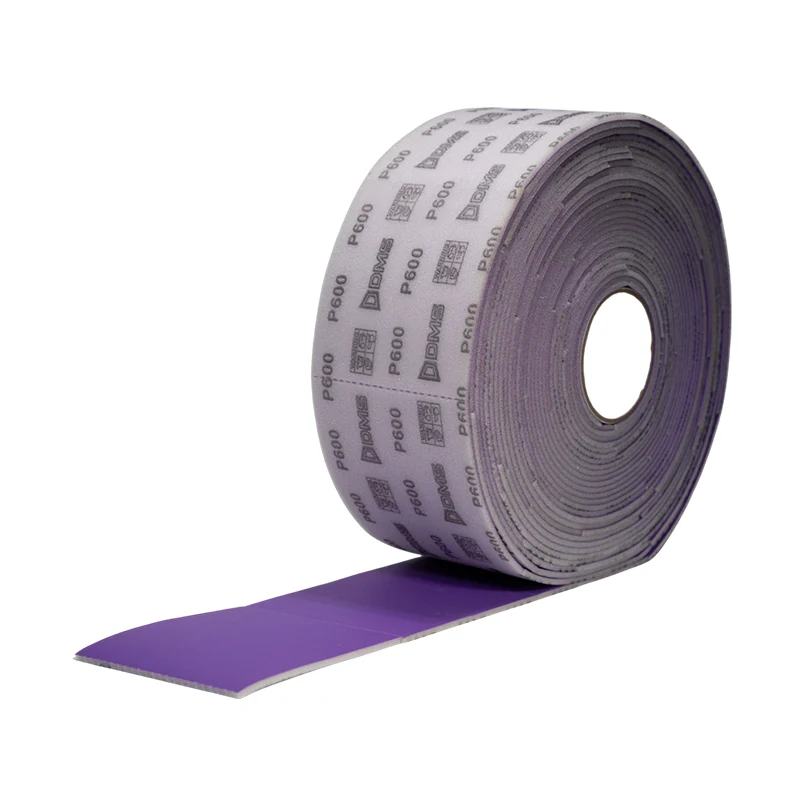
Wet sandpaper features finer grains and higher density and must be used with water or coolant. Water serves to cool, remove debris, and lubricate, effectively preventing the workpiece from overheating and burning. After sanding, the surface is smooth and free of deep scratches. It is suitable for precision polishing, metal mirror finishing, and high-gloss surfaces on ceramics or acrylic—processes with high surface finish requirements. The drawback is that it cannot be used for dry sanding, as dry sanding can cause clogging and scratch the workpiece.
Simple Selection Guidelines:
Choose dry sandpaper for rough grinding, rapid material removal, environments where water is undesirable, and for grinding plastics or painted surfaces; choose wet sandpaper for fine grinding, polishing, situations where overheating and surface burn are a concern, and for high-gloss finishes on metals or ceramics.
In actual production, they are often used in combination: dry sandpaper is used for rough grinding to quickly remove excess material, while wet sandpaper is used for fine grinding or polishing to enhance surface finish.
In summary, the proper selection of dry-grit sandpaper and wet-grit sandpaper is crucial in actual production on grinding machines. By combining their use according to specific requirements, you can fully leverage their respective advantages to significantly improve grinding efficiency, ensure the workpiece surface quality meets ideal standards, effectively reduce the production of defective parts, and enable the entire grinding process to operate more stably and efficiently.
Related News
- How to Tell When Your Water-resistant Sandpaper Has Failed in Wet Sanding?
- How to Quickly Check the Bond Strength and Resilience of a Sanding Sponge for Cars?
- Ultra-Fine Sandpaper in Auto Refinishing: Tips for Edge Safety and Consistent Finish
- Beyond Samples: How to Confirm Production Consistency from Your Pneumatic Sandpaper Supplier
- Automotive Sandpaper Manufacturer Recommendation | Dry & Wet Sanding, Round & Square Sheets, Direct Source Factory
- A Must-Read Checklist for Purchasing Professionals: How to Avoid Sandpaper Manufacturers with Unstable Sandpaper Production?
Leave me a message