
Industry News
 28 2026-09
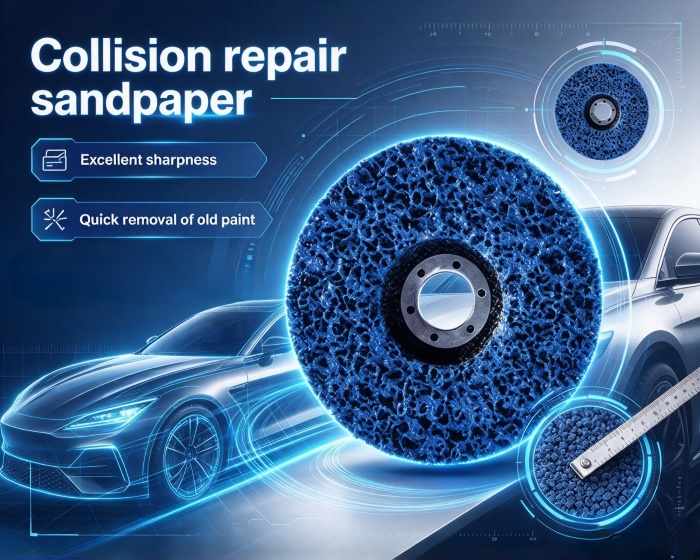
 Wrong Collision Repair Sandpaper Costs You Time. Here's How to Choose Right
The wear resistance and cutting stability of the collision repair sandpaper used directly affect the pace of work in the shop. Choosing durable products reduces the time spent changing consumables and lowers the risk of paint rework.
 28 2026-09
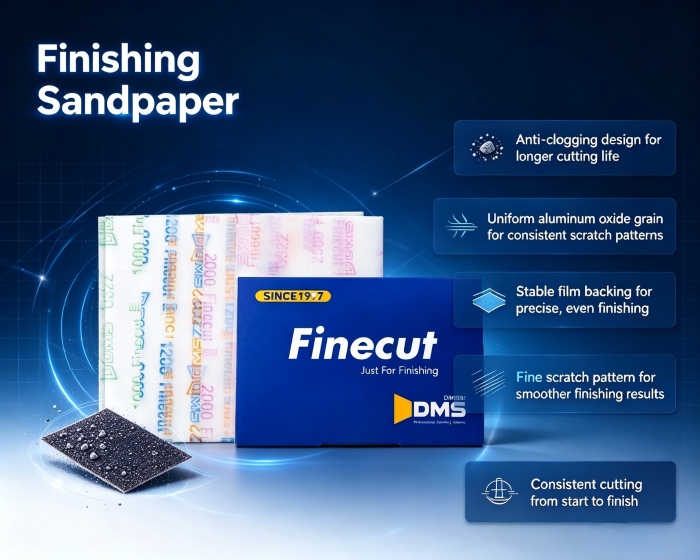
 Why Sanding Pad Inspection Matters When Replacing Finishing Sandpaper
When replacing the sandpaper, many technicians focus only on the sandpaper itself and overlook the condition of the sanding pad. Minor imperfections on the pad's surface can leave marks on the workpiece, causing fine scratches and uneven spots that compromise the finishing results.
 23 2026-09
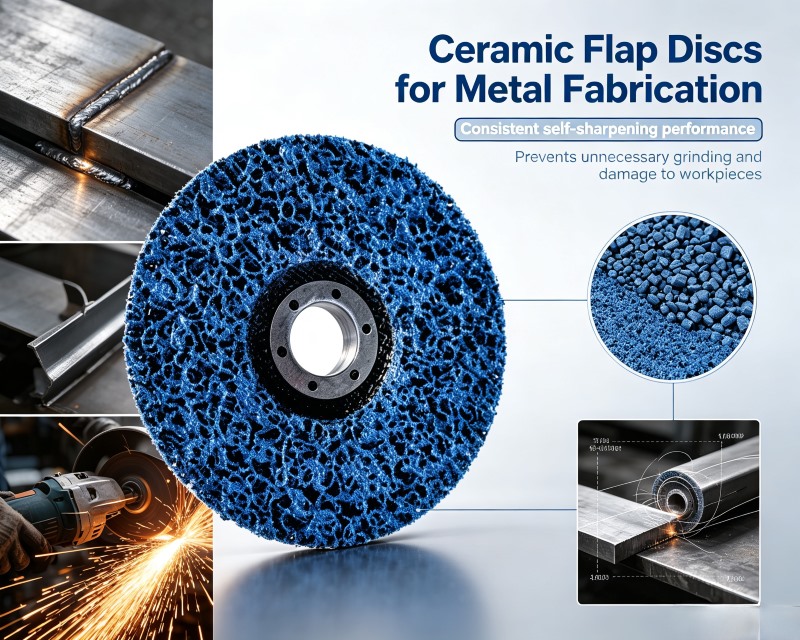
 When Ceramic Flap Discs for Metal Fabrication Stop Self-Sharpening: What to Watch For
The core value of ceramic flap discs for metal fabrication lies in the fact that the abrasive grains continuously fracture as they wear down, exposing new cutting edges. Once this self-sharpening mechanism begins to deteriorate, the disc does not become immediately unusable. Instead, it gradually sends signals through details such as the feel of the cut, the shape of the sparks, and the workpiece temperature.
 22 2026-09
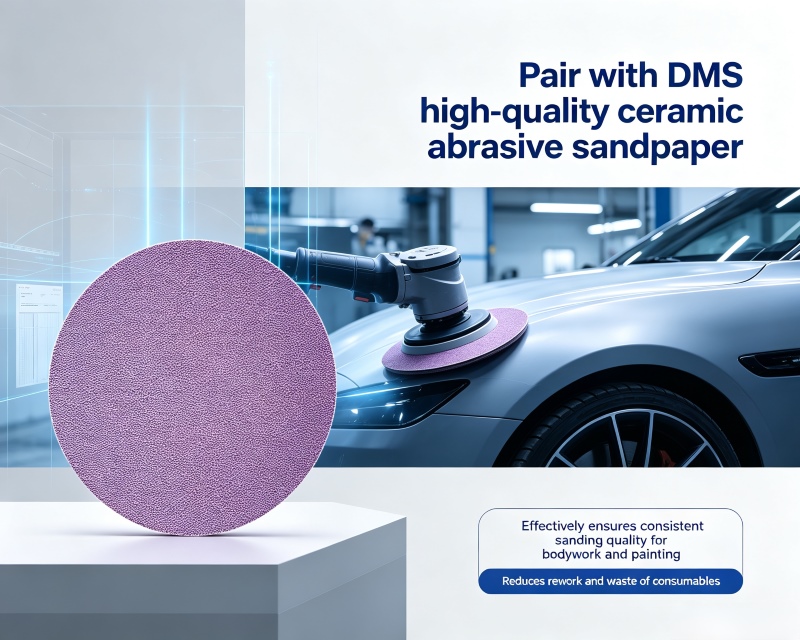
 Replacing Ceramic Abrasive Sandpaper? Don't Skip These Sanding Pad Checks
When replacing sandpaper, most technicians tend to focus only on the condition of the sanding surface while neglecting to inspect the sanding pad. As the key interface between the equipment and consumables, the flatness, permeability, and integrity of the sanding pad directly determine the effectiveness of the ceramic abrasive sandpaper and are crucial details for avoiding sanding defects and reducing material waste.
 21 2026-09
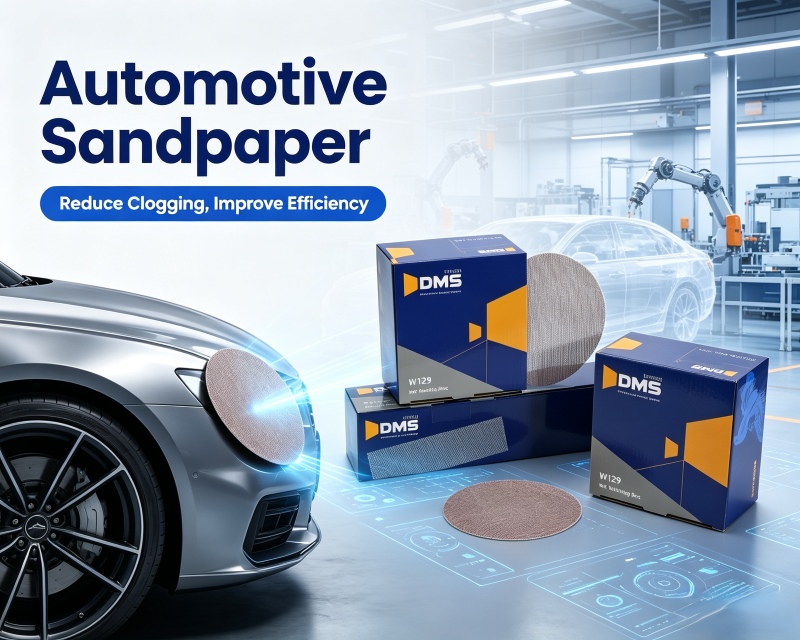
 Reduce Clogging, Improve Efficiency: Automotive Sandpaper and Dust Extraction
Many technicians address these issues by frequently changing sandpaper or stopping the machine to clear dust, but this not only increases the consumption of supplies but also slows down the workflow.These issues are largely unrelated to operating techniques. The key lies in how well the automotive sandpaper matches the dust collection equipment.
 14 2026-09
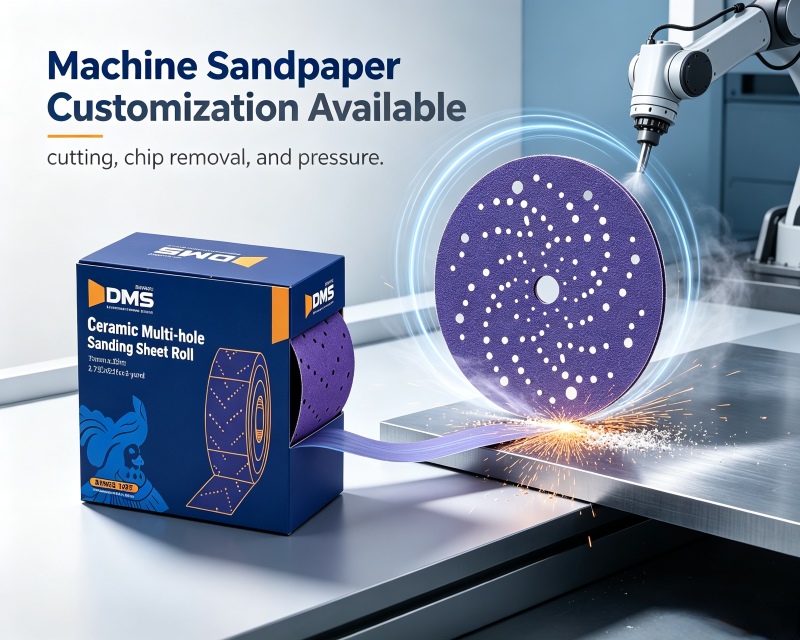
 Why Does Machine Sandpaper Overheat? Causes and Practical Solutions
However, a closer look in the workshop reveals that the root cause of the heat is often not the machine settings, but rather the cutting condition of the machine sandpaper. Once the abrasive grains shift from cutting to friction, nearly all mechanical energy is converted into heat, causing the workpiece temperature to rise rapidly.