Why Won’t Leather-specific Sandpaper Lead to Fuzzy or Cracked Leather Surfaces?
Written by: DMS editor
Published on: June 13, 2026
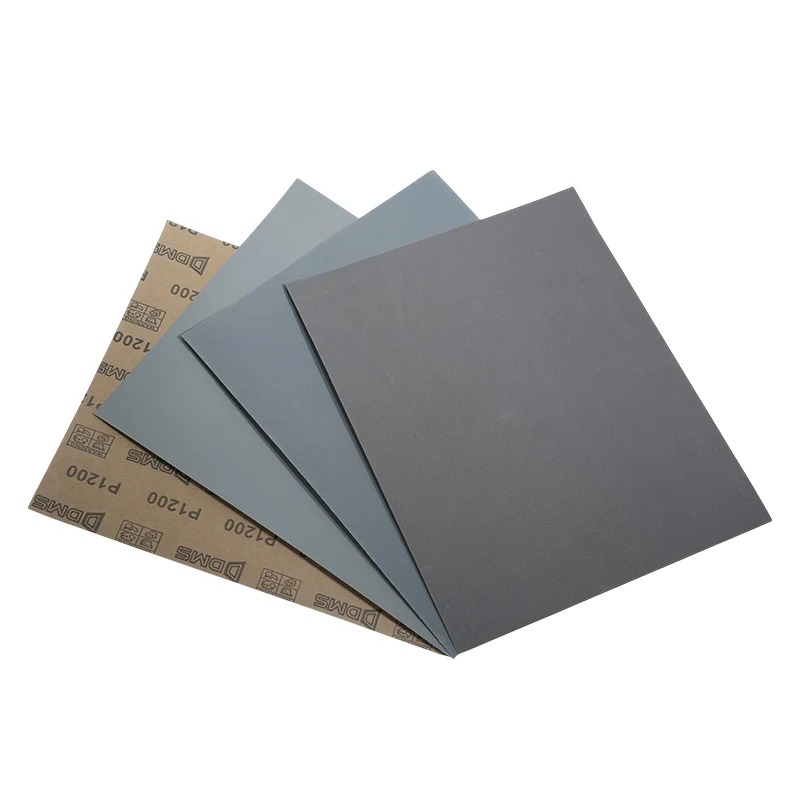
There is only one reason why leather-specific sandpaper does not damage the leather surface: it completely transforms the “tearing” of leather fibers into “precise scraping.”
Ordinary sandpaper is sharp like a hook, catching fibers to pull out burrs or tear entire bundles of fibers. The heat generated during sanding can also cause localized hardening and charring of the leather. Leather-specific Sandpaper achieves this transformation through the synergy of three key factors: grain shape, base flexibility, and a lubricating coating. It only shaves down protrusions and never tears the fiber structure. Understanding this is the key to grasping the entire design.
Part One: How do these three physical properties work together to achieve this transformation?
Rounded grains do not “hook.” The abrasive grains in leather-specific sandpaper are specially shaped with controlled projection height and a rounded, blunt profile. They function like tiny planers, uniformly scraping only the raised surface layer from above, without penetrating into the fiber gaps to snag or tear. This is the first key to preserving fiber integrity.
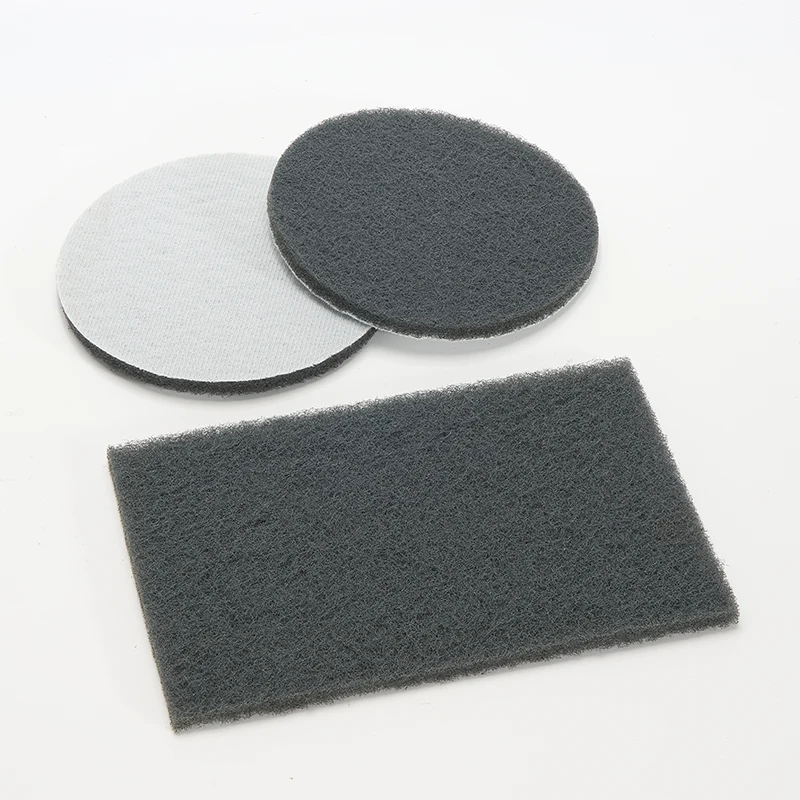
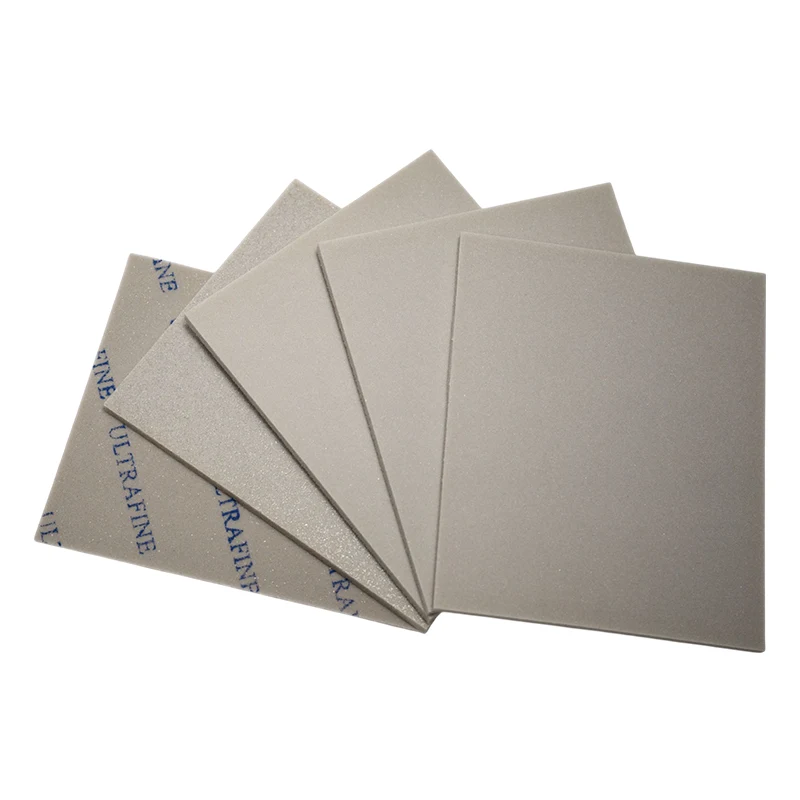
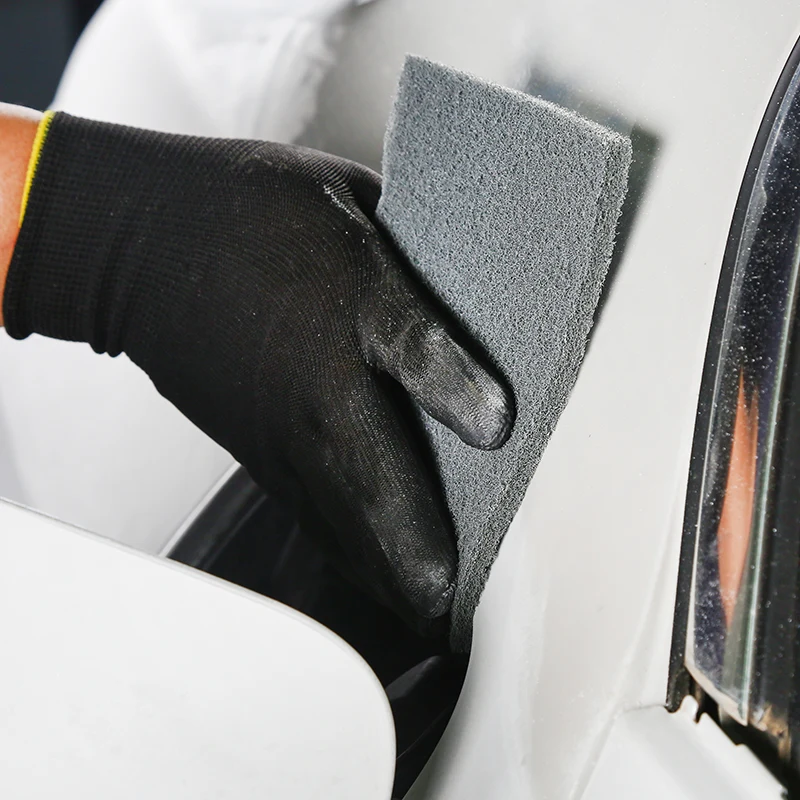
The flexible backing “yields.” By using ultra-flexible paper, cloth, or sponge bases, the backing micro-deforms as it stretches with the leather under pressure. The abrasive grains yield accordingly, naturally disengaging after cutting rather than clinging stubbornly. Simultaneously, pressure is dispersed over a large area, preventing localized stress overload—this serves as the first physical line of defense against tearing.
The lubricating coating provides “protection” throughout the process. Solid lubricant coatings, such as zinc stearate, reduce the coefficient of friction and minimize direct tugging on the fibers. When these coatings melt slightly, they absorb a significant amount of frictional heat, preventing the leather fibers from charring and becoming brittle. They also prevent leather particles from adhering to and clogging the leather-specific sandpaper. Once clogged, the sandpaper becomes a rough abrasive head that rolls over and tears off fibers; therefore, preventing clogging is itself a crucial step in preventing fuzzing.
Part Two: The Three Elements Are Interdependent and Indispensable
Rounded grains ensure no snagging, a flexible backing guarantees flexibility, and the lubricating coating provides protection and cleaning. If there is lubrication but no flexible backing, stress concentration during curved sanding will still cause the leather to crack. If there is flexibility but no lubrication, heat and clogging will still lead to fuzzing. Only when the characteristics of leather-specific sandpaper work in synergy can the entire process remain a controlled, cold-cutting operation, ultimately achieving a smooth, velvety finish without damaging the fibers.
It is clear, then, that from handmade leather goods to high-end leather restoration, leather-specific sandpaper is an indispensable consumable. The design philosophy behind it remains consistent: respecting the natural structure of the leather fibers and using cutting rather than tearing. Understanding this allows you to choose the right tool and achieve a flawless, smooth leather surface without damage.
Related News
- What Leads to Peeling of the Waterproof Coating on Wet Sandpaper? Key Usage Tips
- Ceramic Sandpaper vs Silicon Carbide Sandpaper: How to Pick for Your Grinding Job
- Why Anti Static Fine Sandpaper Matters in Electronics Manufacturing
- Is Porous Dust-Collecting Automotive Sandpaper Worth the Switch?
- Wrong Collision Repair Sandpaper Costs You Time. Here's How to Choose Right
- Why Sanding Pad Inspection Matters When Replacing Finishing Sandpaper
Leave me a message