What Leads to Peeling of the Waterproof Coating on Wet Sandpaper? Key Usage Tips
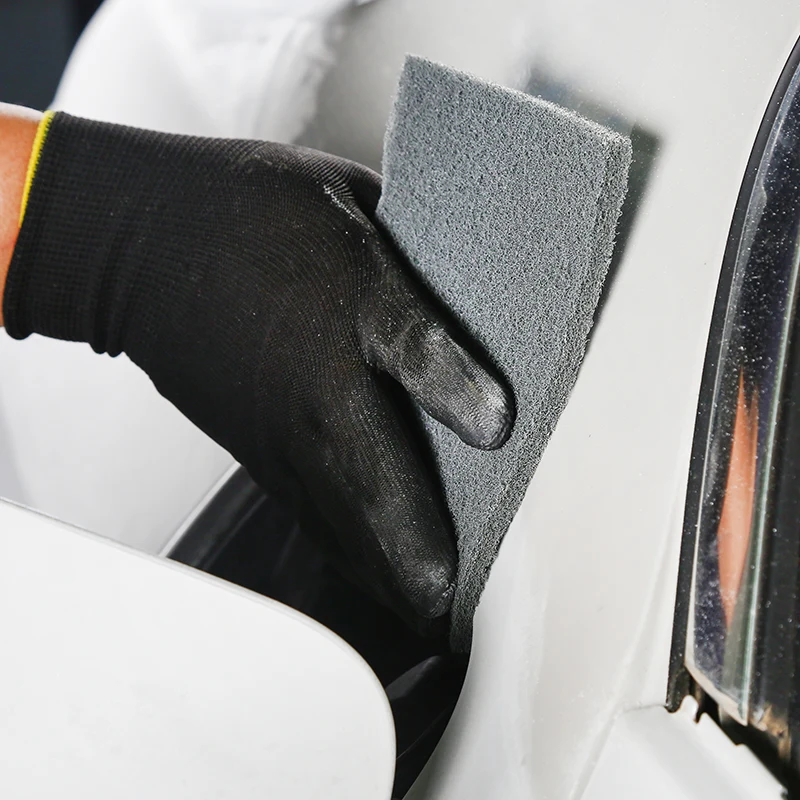
The fine-finishing process for automotive body and paint surfaces relies heavily on wet sanding. Wet sanding helps suppress dust and gently smooths out orange peel and dust spot defects on the paint surface, ensuring the paint surface achieves the desired level of smoothness. Wet sandpaper is the core consumable in this process.
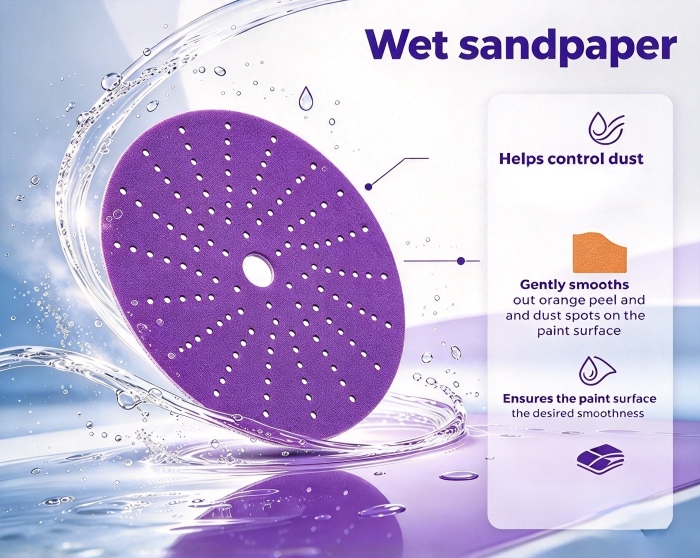
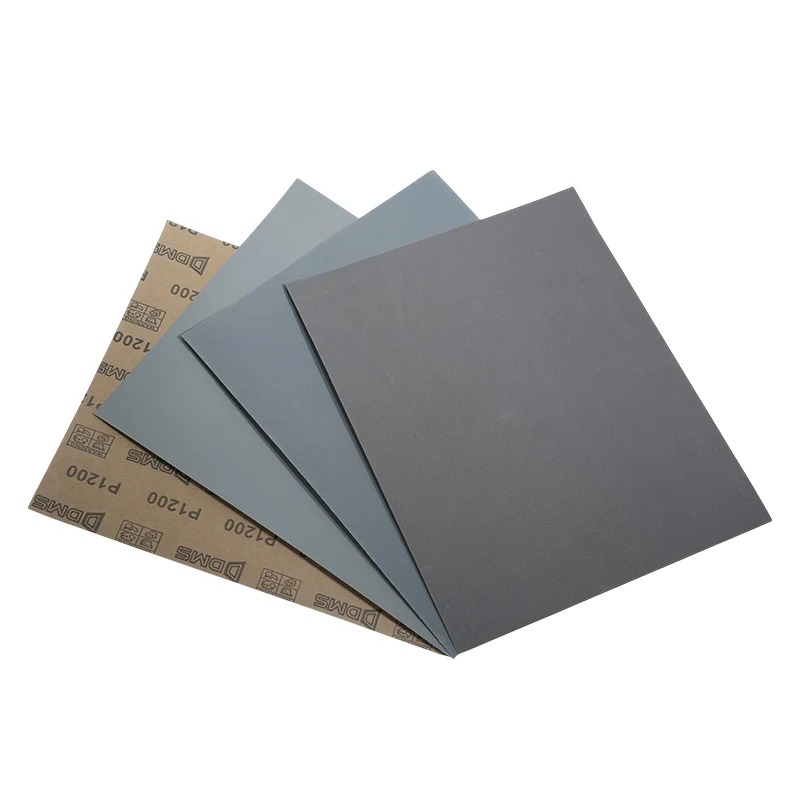
Wet sandpaper relies on a water-resistant resin layer to securely bind abrasive particles, allowing it to operate continuously in a wet environment. In actual practice, however, it is common for the water-resistant layer to bubble, peel, or flake off. Once the water-resistant layer peels off, loose abrasive particles can easily scratch the paint surface, shorten the sandpaper’s service life, and increase the likelihood of paint rework.
Main Causes of Water-Resistant Layer Peeling
The peeling of the water-resistant layer on wet sandpaper is primarily caused by a combination of factors including usage methods, external forces applied during operation, and storage conditions. Prolonged soaking of the sandpaper or working with hot water or water mixed with detergents and oil residues gradually erodes the resin coating and weakens the bond between the coating and the backing paper. Uneven pressure during sanding as well as repeatedly bending or creasing the sandpaper can create microscopic cracks in the coating. Once moisture penetrates these cracks, peeling occurs. A sanding pad with burrs can also cause continuous damage to the sandpaper’s structure.
The storage environment for sandpaper is equally critical. Hot and humid storage conditions accelerate the aging of the water-resistant resin. Stacking and heavy pressure can leave invisible cracks in the coating and make delamination more likely during wet sanding operations. If the selected wet sandpaper has insufficient coating adhesion and cannot withstand prolonged wet sanding, the water-resistant layer may peel off prematurely.
Key Points for Using Wet Sandpaper
When performing wet sanding, simply soak the sandpaper briefly in room-temperature water. Prolonged soaking is unnecessary, and do not add any chemical cleaning agents to the water. During cutting and sanding, minimize folding the sandpaper in half. Apply even, gentle pressure while sanding and use a flat, smooth backing pad to prevent hard objects from scratching the sandpaper.
Unused wet sandpaper should be stored in a cool, dry place away from heat sources and damp areas, and should not be stacked under heavy objects. Monitor the condition of the sandpaper surface during sanding. If you notice bubbling or peeling of the water-resistant layer, replace the sandpaper immediately to prevent debris from scratching the paint finish of the workpiece. Following proper wet-sanding procedures can delay damage to the water-resistant layer, maintain consistent sanding results, reduce material waste, and ensure the quality of automotive body and paint finishing.
About Us
DMS has been deeply involved in the coated abrasives industry for many years and possesses a comprehensive R&D and production system. We specialize in developing professional wet sandpaper products tailored for automotive body and paint wet-sanding applications.
Our products utilize a high-latex backing combined with a special water-resistant resin process. The abrasives are firmly bonded, and the water-resistant layer maintains stable adhesion. Even during prolonged wet-sanding operations, they are less prone to peeling and grit loss, producing uniform and fine scratches suitable for all types of paint finish refinishing work.
Leveraging its proprietary coated abrasive technology, the company continuously refines the quality of its consumables, providing stable and reliable grinding solutions for body and paint shops. This helps technicians reduce abnormal consumable wear and tear while improving the quality of finished paintwork.
Related News
- Ceramic Sandpaper vs Silicon Carbide Sandpaper: How to Pick for Your Grinding Job
- Why Anti Static Fine Sandpaper Matters in Electronics Manufacturing
- Is Porous Dust-Collecting Automotive Sandpaper Worth the Switch?
- Wrong Collision Repair Sandpaper Costs You Time. Here's How to Choose Right
- Why Sanding Pad Inspection Matters When Replacing Finishing Sandpaper
- When Ceramic Flap Discs for Metal Fabrication Stop Self-Sharpening: What to Watch For
Leave me a message