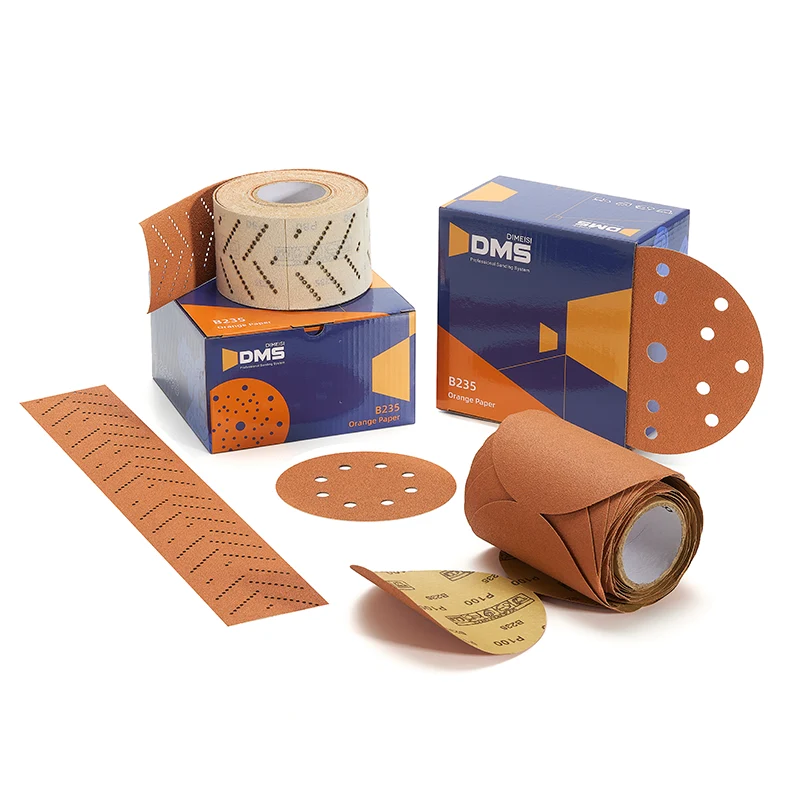
How Do High-Temperature Resistant Automotive Sandpaper Rolls Benefit Auto Body Sanding?
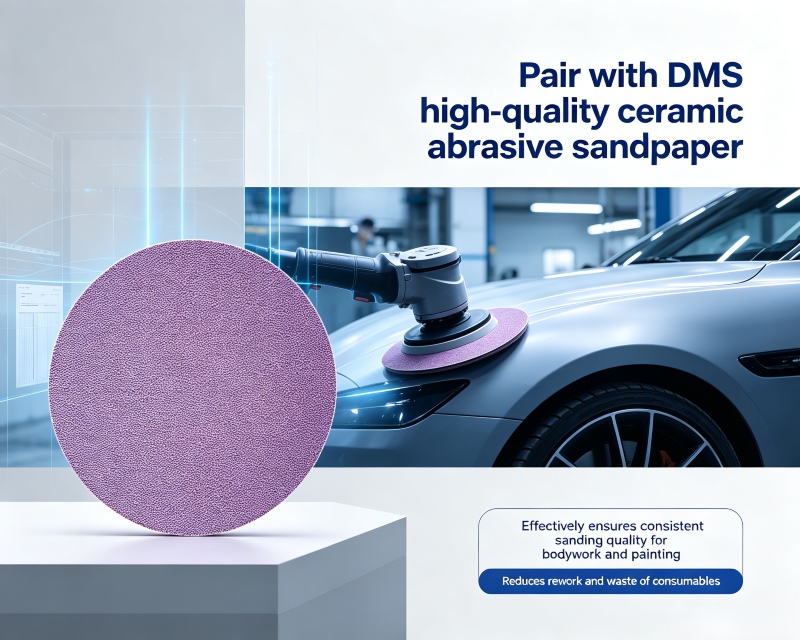
In body shops and metal grinding operations, automotive sandpaper rolls are increasingly common because they can be cut to size and fit a range of tools. But when grinding shifts from hand work to high-speed machine operation, or when hard materials are processed continuously, standard rolls run into a familiar problem: heat buildup. Friction heat softens the bonding resin, and the abrasive grains lose adhesion. Cutting performance drops, and in severe cases the workpiece surface can be scorched. High-temperature-resistant automotive sandpaper rolls are built around this specific failure point.
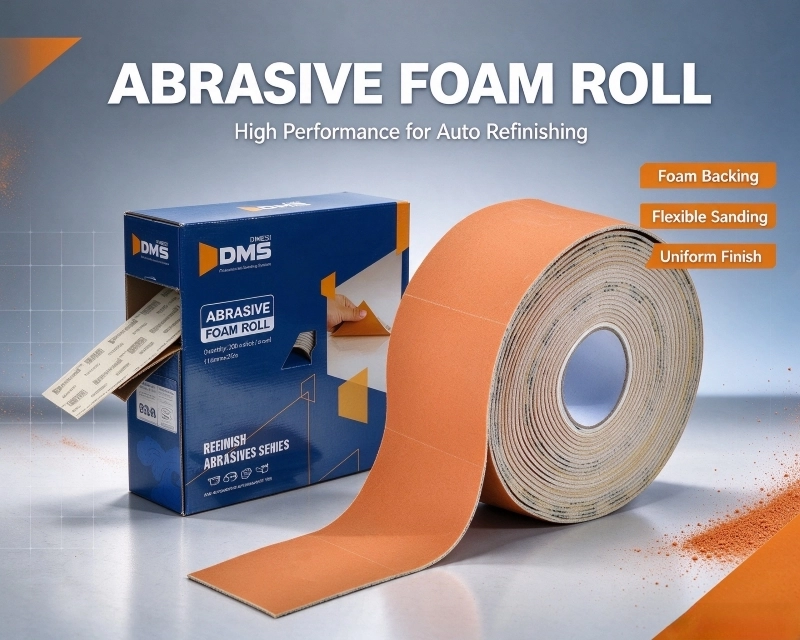
Why Standard Rolls Break Down Under Heat
The root cause is the bonding system. Resin in standard automotive sandpaper rolls degrades under sustained heat, and the bond between abrasive and backing weakens. That is what leads to grain loss and the sharp drop in cutting performance. High-temperature-resistant automotive sandpaper rolls use heat-resistant resin binders, combined with polyester film or treated backings, to hold the grain in place as temperatures rise. With the structure holding steady, each roll lasts longer, roll changes drop, and the workflow stays consistent.
Stable Cutting Keeps Workpiece Temperature in Check
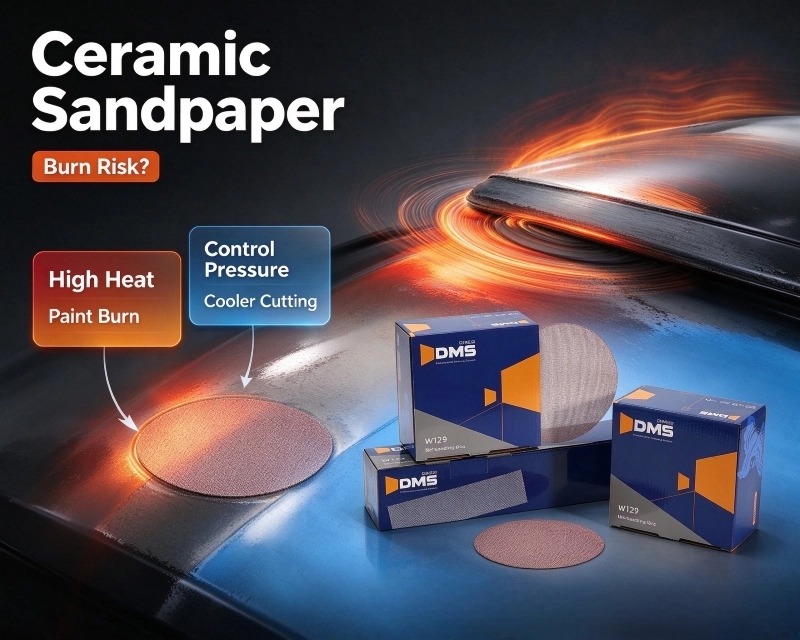
Cutting stability also affects how much heat reaches the workpiece. Once an abrasive shifts from cutting to rubbing, heat concentrates quickly in the contact area. Paint and clear coat layers are sensitive to localized heat and can soften, cloud, or burn through. The idea behind heat-resistant automotive sandpaper rolls is to stay sharp and keep cutting efficiently as temperatures climb, so less heat comes from friction. For processes where temperature control matters, this often matters more than raw cutting speed.
Roll Format Supports Continuous Operation
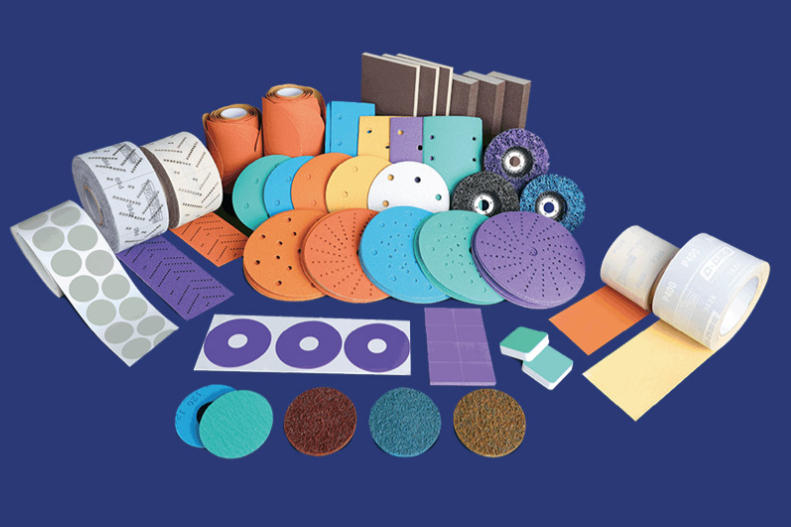
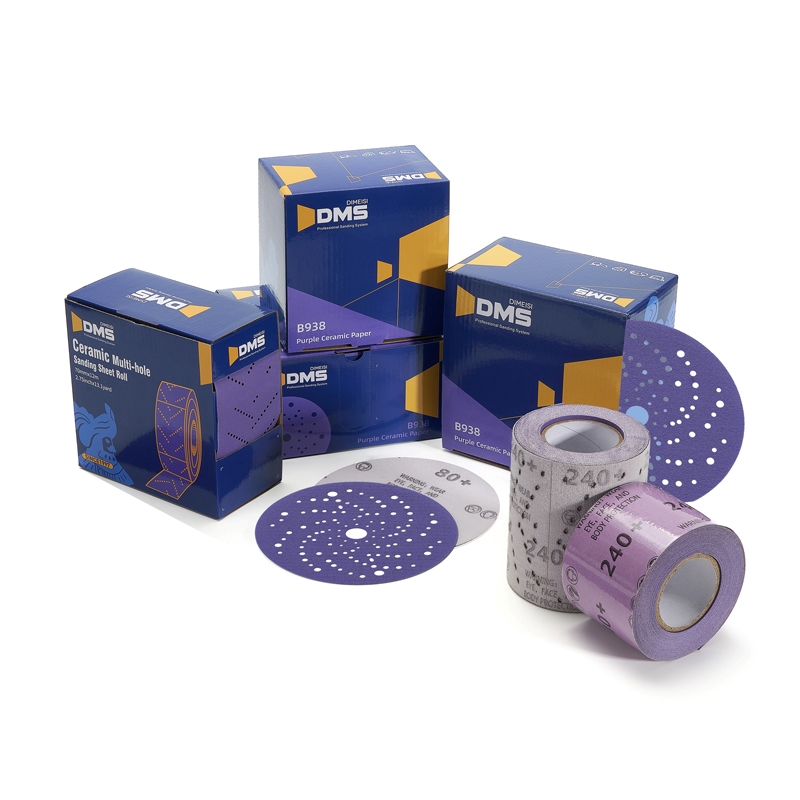
Automotive sandpaper rolls can be cut to match workpiece width and tool size, which means less waste than pre-cut sheets and more flexibility across different sanding setups. Combined with heat resistance, these format advantages become more noticeable in continuous machine sanding. Shops do not need to stop as often to check for overheating, so the workflow stays smooth.
Some high-temperature-resistant automotive sandpaper rolls are also water-resistant, supporting both dry and wet sanding. Wet sanding helps carry away heat and debris, but only if the backing and bonding system can handle prolonged water exposure without delamination. Combining heat resistance with water resistance lets one roll cover more process steps and simplifies inventory.
Selection Depends on Actual Sanding Conditions
Whether the advantages of high-temperature-resistant automotive sandpaper rolls matter depends on the sanding conditions. Low-speed hand sanding generates limited heat, and standard rolls may be sufficient. The difference shows up in high-speed pneumatic or electric grinding, continuous operation, and hard material removal.
For shops working primarily under those conditions, DMS offers automotive sandpaper rolls with heat-resistant backing and resin systems that can be evaluated alongside current products. Testing a roll under actual working conditions, measuring continuous cutting time and workpiece temperature rise, is the most reliable way to decide whether a high-temperature specification belongs in regular stock.
Related News
- Will Ceramic Sandpaper Burn Your Paint? What to Know Before You Sand
- Wet Sanding Troubleshooting: Finishing Abrasives Backing Softening and Delamination
- Getting Wave Marks? Issues to Check When Using Pneumatic Sandpaper
- What Are the Benefits of Eco-Friendly Ceramic Sandpaper for Low-Dust Sanding?
- What Leads to Peeling of the Waterproof Coating on Wet Sandpaper? Key Usage Tips
- Ceramic Sandpaper vs Silicon Carbide Sandpaper: How to Pick for Your Grinding Job
Leave me a message

News Recommendations