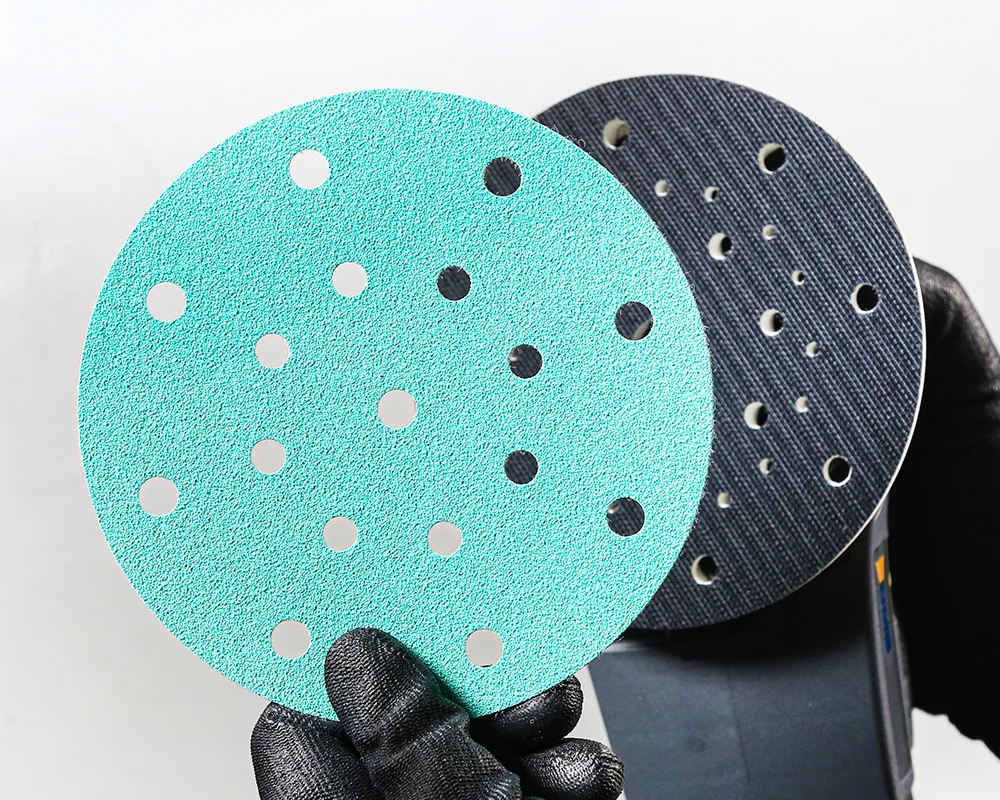
Will Ceramic Sandpaper Burn Your Paint? What to Know Before You Sand
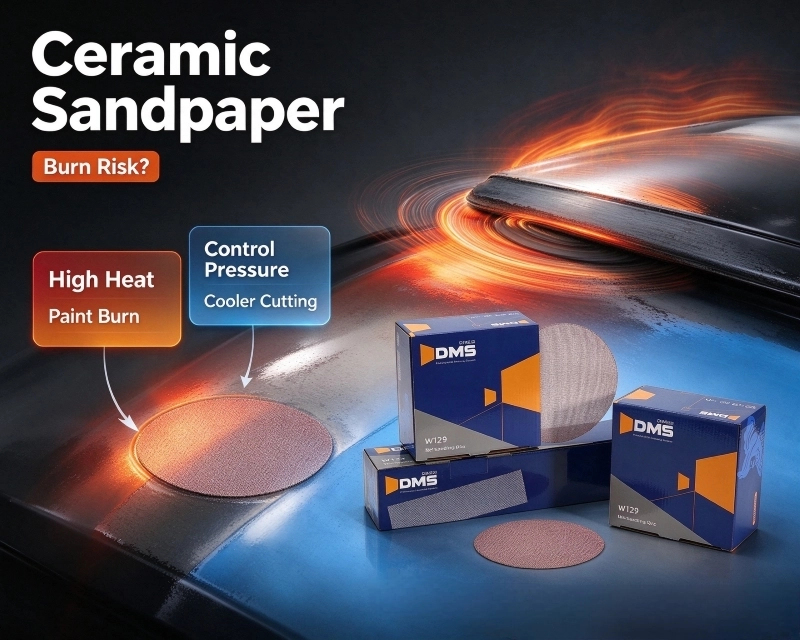
When using ceramic sandpaper for paint restoration, one concern many people have is "burning" — localized overheating of the paint surface that causes it to turn white, char, or even grind through the clear coat. While this concern is understandable, attributing the cause directly to the abrasive is inaccurate. The root cause of burning is heat buildup, and ceramic sandpaper is designed to reduce unnecessary friction and control heat generation.
Why It Is Less Prone to Burning
Conventional abrasives become dull after a period of use. Once dull, they no longer cut but instead rub against the paint surface. The heat generated by this friction is the primary cause of burning. Ceramic sandpaper works differently. Its microcrystalline structure continuously fractures under pressure, exposing new, sharp edges that keep the sandpaper cutting rather than sliding across the surface.
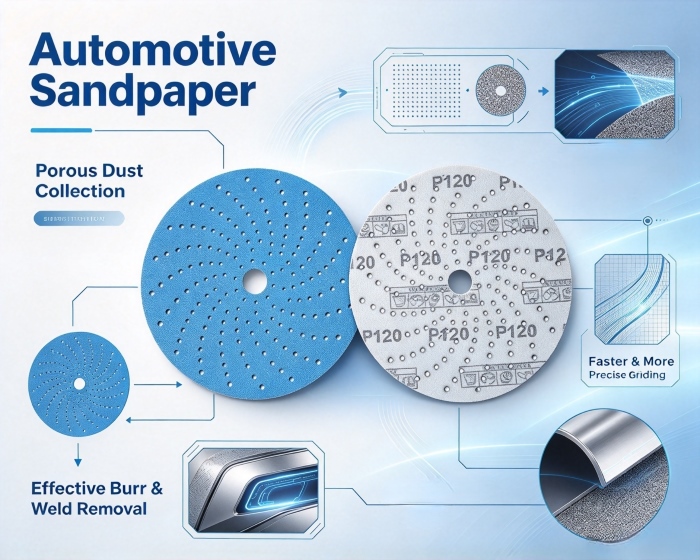
Some precision-molded ceramic sandpaper is designed with thin, blade-like cuts, which meet less resistance when entering the paint surface and produce less heat. Products made for paint restoration also typically use a porous dust-evacuation structure, so abrasive debris is removed promptly, the sanding surface stays clear, and heat dissipates more easily.
When Burnout Can Still Happen
The most common cause is incorrect product selection. Some ceramic sandpaper on the market is designed for heavy-duty metal cutting, with sharp abrasives and high cutting power. Used on paint refinishing, especially soft clear coats, that aggressive cut combined with even a slight deviation in technique can cause localized heat buildup. For paint restoration, choose a product explicitly labeled for paint or clear coat finishing. These grades balance grit size and coating so the cut stays gentler.
Equipment settings and operating habits matter just as much. Ceramic sandpaper relies on sharpness to cut under reasonable pressure. If the operator habitually presses hard or runs the sander at high speed, heat still builds quickly. Clear coat is sensitive to temperature, and damage from overheating can happen in a very short time.
Dust extraction is another factor that is easy to overlook. If debris is not removed, it collects between the sandpaper and the paint surface, adds friction, and pushes the temperature up. DMS designs its ceramic sandpaper hole patterns to match common dust-collection pads, which helps reduce poor extraction caused by misaligned holes.
How to Control the Risk
For machine sanding, keep speed medium to low, use light pressure, and move at a steady pace. Avoid lingering in one spot. Make sure the pad holes line up with the sandpaper and the dust collection lines are clear, since these are the conditions that let the sandpaper's heat dissipation work as intended.
On soft clear coats, or around corners and edges, be more conservative. Start with a higher grit, watch the temperature and condition of the paint, then decide whether to continue or move to a coarser grade. Clear coat is thinner at edges and corners, and pressure tends to concentrate there. Let the sandpaper glide over these areas instead of working them deliberately.
Overall, ceramic sandpaper is a reasonable choice for paint restoration. Its self-sharpening behavior keeps the abrasive cutting, which reduces friction heat. Whether burning happens depends on choosing the right grade, keeping speed and pressure under control, and making sure dust extraction works. With those factors managed, the product performs predictably, and there is no need to avoid it out of concern about burning.
Related News
- Wet Sanding Troubleshooting: Finishing Abrasives Backing Softening and Delamination
- How Do High-Temperature Resistant Automotive Sandpaper Rolls Benefit Auto Body Sanding?
- Getting Wave Marks? Issues to Check When Using Pneumatic Sandpaper
- What Are the Benefits of Eco-Friendly Ceramic Sandpaper for Low-Dust Sanding?
- What Leads to Peeling of the Waterproof Coating on Wet Sandpaper? Key Usage Tips
- Ceramic Sandpaper vs Silicon Carbide Sandpaper: How to Pick for Your Grinding Job
Leave me a message

News Recommendations