Wet Sanding Troubleshooting: Finishing Abrasives Backing Softening and Delamination
Backing softening and delamination in finishing abrasives is a common workshop issue. Most people blame the sandpaper first, but the cause is usually a mix of factors. The backing's waterproofing, the binder's water resistance, and conditions like slurry chemistry and soaking time can all contribute, alone or together. Here are two ways to narrow it down.
1. Is the backing and binder system suited to wet grinding?
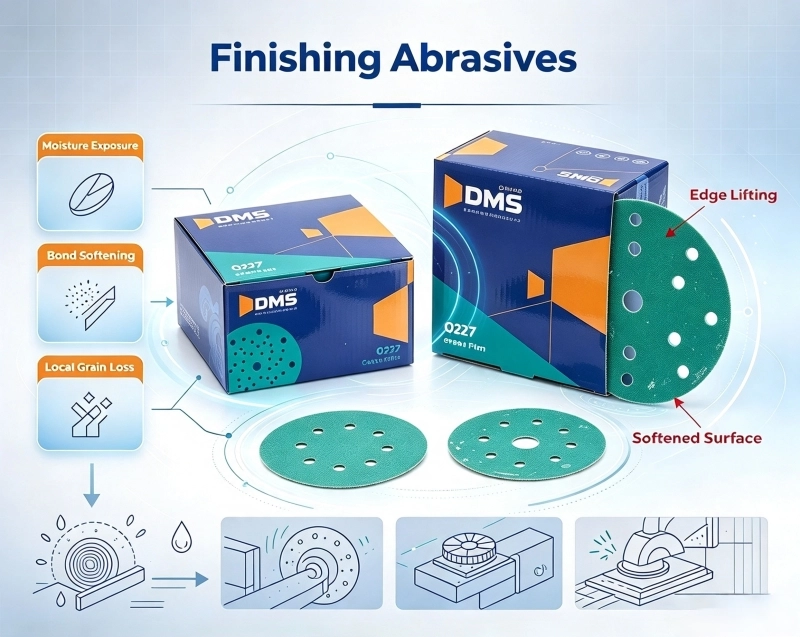
In wet grinding, finishing abrasives sit in water or grinding fluid for long periods. The backing's waterproofing is the first line of defense. If paper backing isn't sealed well, fibers swell, the backing thickens and softens, and the bond to the abrasive layer takes extra stress. Film backings hold up better, but water can still get in through poorly sealed cut edges.
The binder matters just as much. Ordinary resins can hydrolyze or soften after long immersion, and the abrasive layer peels away. A simple test helps. Soak a piece of finishing abrasives in water, take it out, and check whether the edges curl or the backing feels thicker and softer. Then gently peel at the bond line. Edge curling usually points to sealing problems. Separation across the middle points to a binder that isn't water-resistant enough.
2. Are usage conditions making it worse?
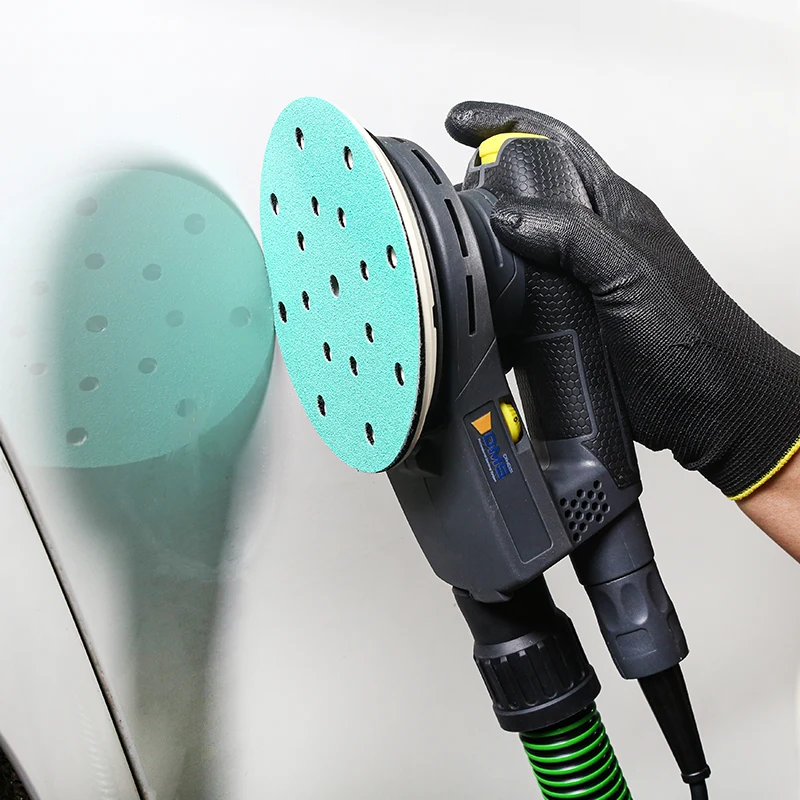
Conditions matter too. Slurry that is too concentrated, too alkaline, or contains certain additives can speed up binder aging. Leaving sandpaper soaking in a basin for hours also gives the backing more chance to absorb water. Watch whether delamination clusters around a specific slurry batch or soaking period. That tells you whether the material or the process is at fault.
One more thing often gets overlooked: the product's intended use. Some finishing abrasives are built for dry sanding or short wet passes, and the backing isn't treated for long soaking. Put them in a continuous wet process and delamination is more likely. Check the application before the grit number.
Backing softening and delamination usually come down to material fit and operating conditions together. Confirm the water-resistant bonding system matches wet grinding first, then check whether slurry and soak time exceed what the material can handle. Ruling out those two points usually locates the problem.
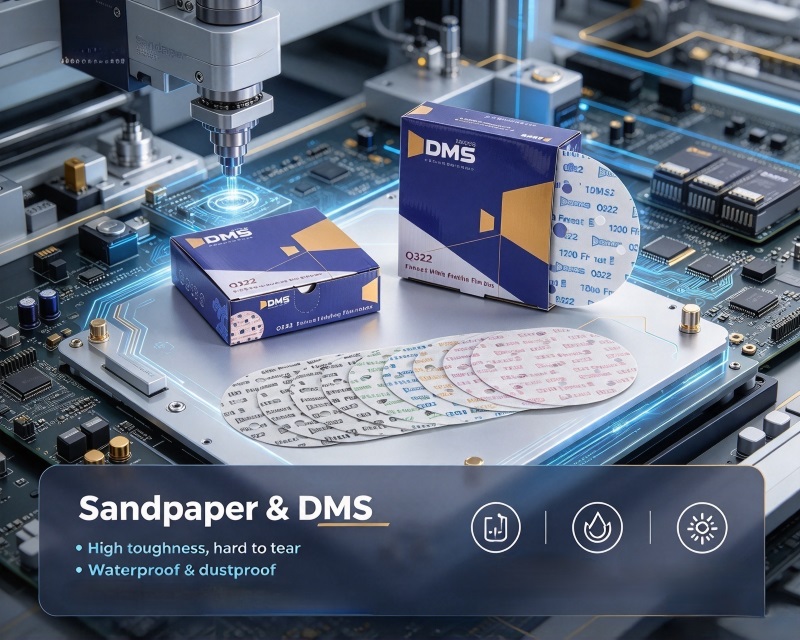
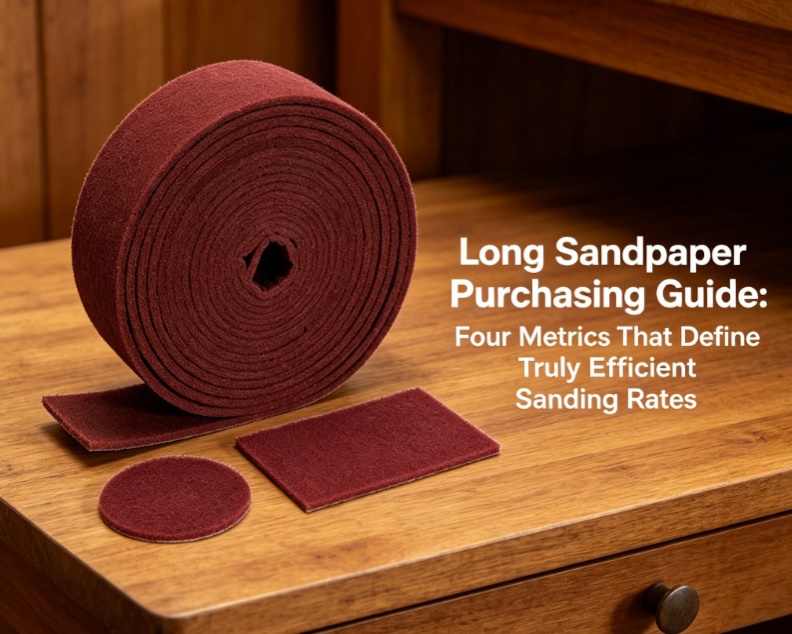
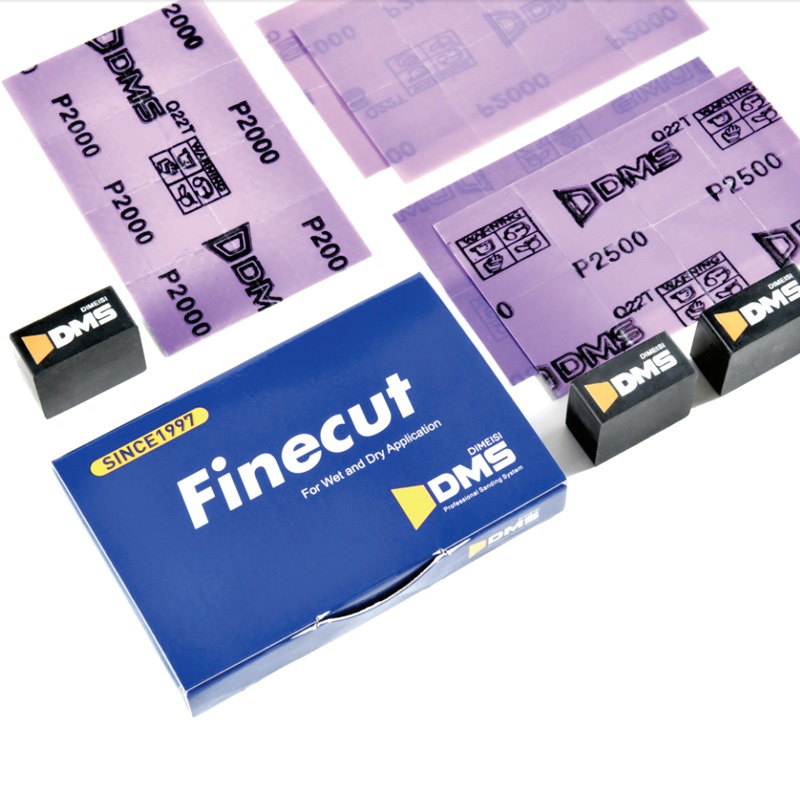
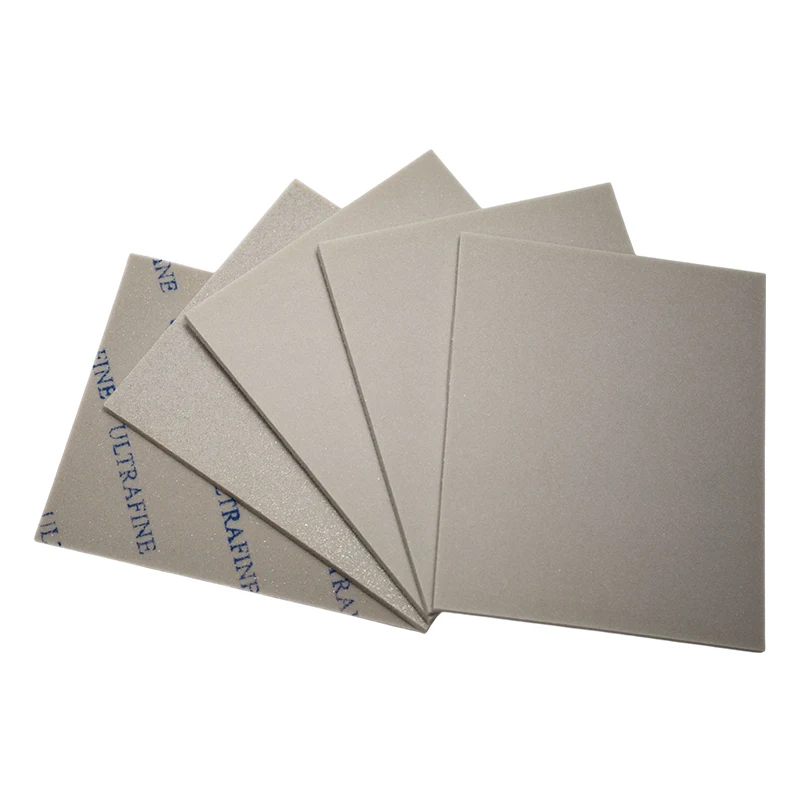
For shops looking for wet-grinding comparison samples, Dongsheng Sandpaper's Q227 green film sandpaper is one option. Its film backing offers better dimensional stability and delamination resistance under prolonged immersion, with grits from P40 to P2500 and a full fine-grinding range. The B938 sponge roll is also rated for dry and wet use and suits curved surfaces. A soak test with your actual slurry is still the best way to decide, and it will show whether a given grade of finishing abrasives is ready for continuous wet work in your shop.
Related News
- Will Ceramic Sandpaper Burn Your Paint? What to Know Before You Sand
- How Do High-Temperature Resistant Automotive Sandpaper Rolls Benefit Auto Body Sanding?
- Getting Wave Marks? Issues to Check When Using Pneumatic Sandpaper
- What Are the Benefits of Eco-Friendly Ceramic Sandpaper for Low-Dust Sanding?
- What Leads to Peeling of the Waterproof Coating on Wet Sandpaper? Key Usage Tips
- Ceramic Sandpaper vs Silicon Carbide Sandpaper: How to Pick for Your Grinding Job
Leave me a message


News Recommendations