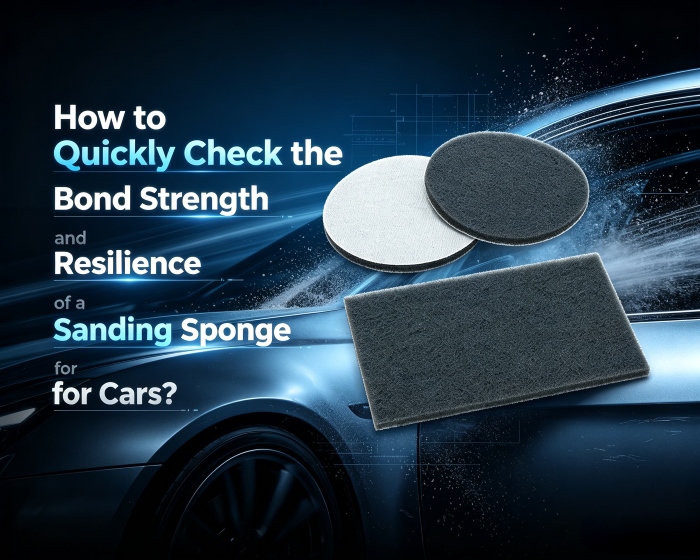
How to Quickly Check the Bond Strength and Resilience of a Sanding Sponge for Cars?
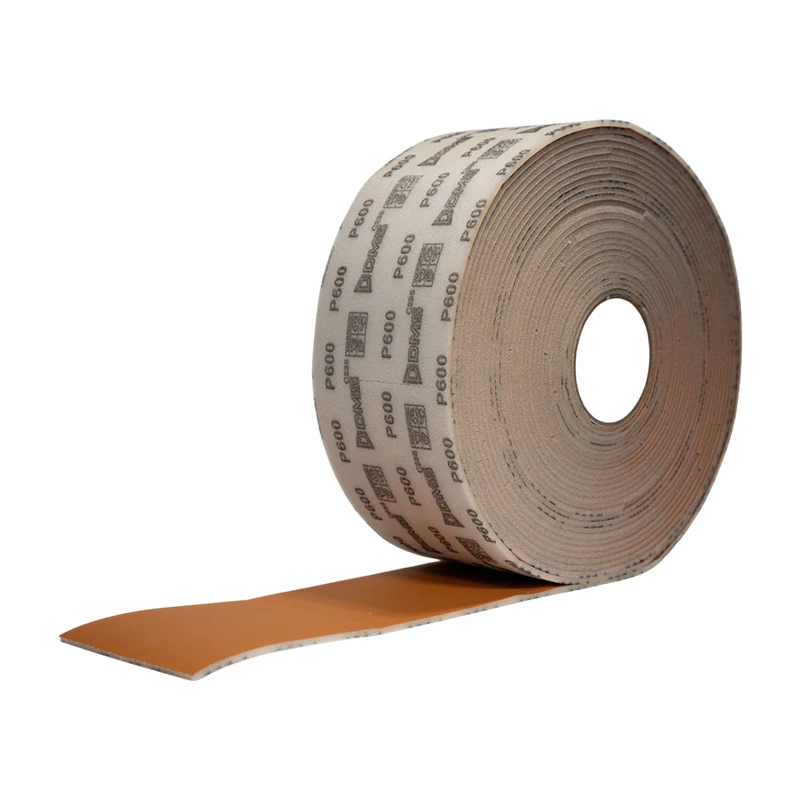
In the body shop, when technicians pick up a new sanding sponge for cars, their focus is often not on whether the grit size is correct, but rather on whether the abrasive will fall off after just a few uses and whether the sponge will collapse or deform after being compressed a few times. These two issues directly affect sanding efficiency and surface finish, yet they're difficult to discern just by looking at the sponge's appearance.
So, when it comes to actual purchasing and use, are there any quick and easy methods to determine in a short amount of time whether a sanding sponge for cars meets the standards for bond strength and resilience? DMS is here to show you how.
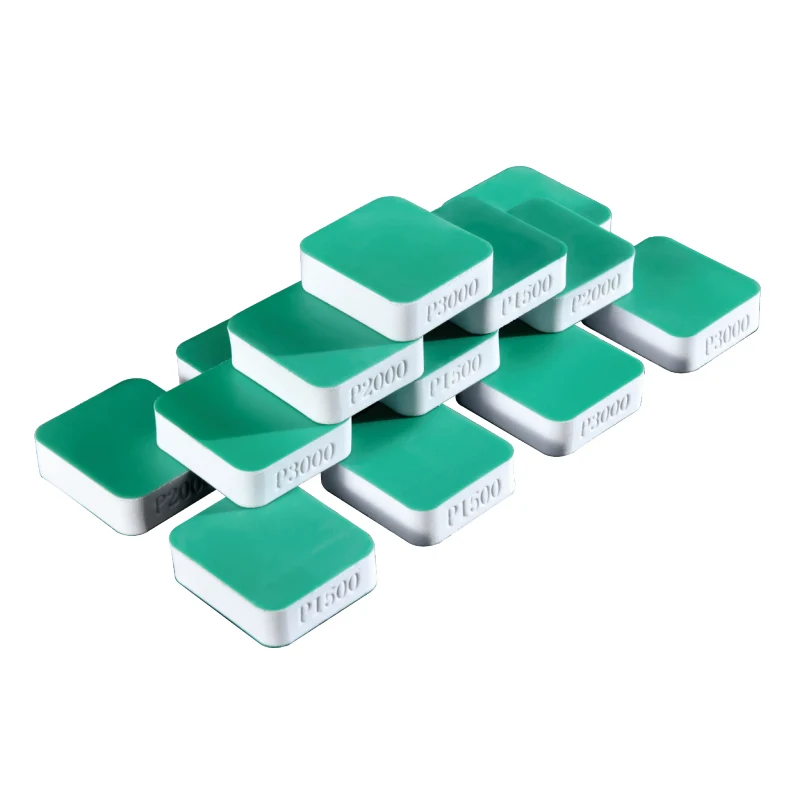
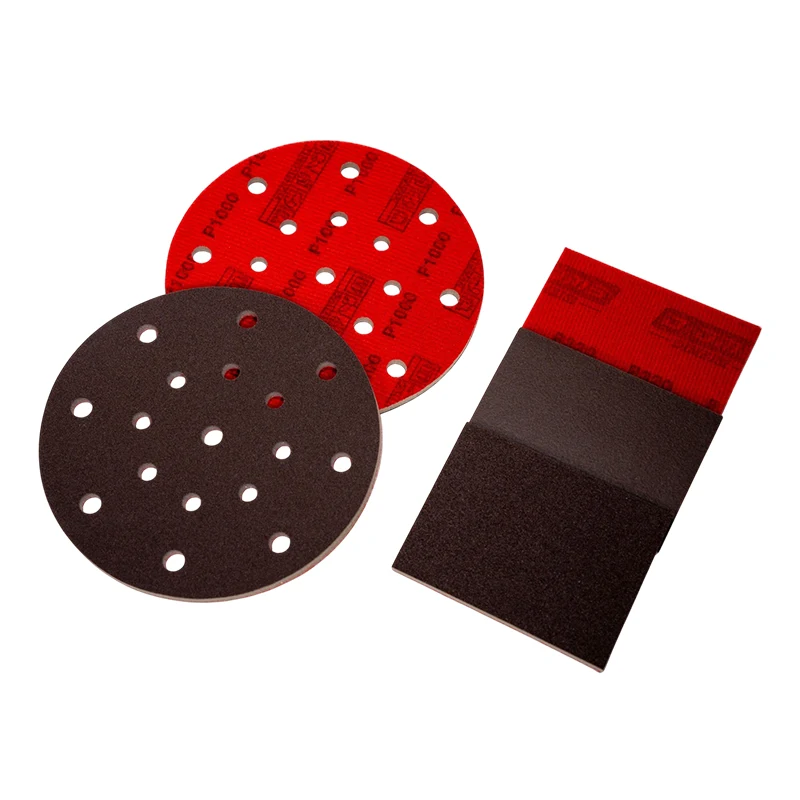
To assess the bond strength of the abrasive particles, a common method is to lightly scrape back and forth along the edge of the abrasive surface with your fingernail a few times. If the abrasive particles are easily scraped off, or if you feel the grains shifting or slipping while scraping, it indicates that the adhesive resin may lack sufficient bonding strength. Such sponges are prone to widespread abrasive loss when used on a machine, which not only shortens their service life but also risks scratching the paint finish with the loose particles. Another test involves folding the sponge in half so that the abrasive surfaces rub against each other, then observing for abrasive shedding and dust generation. sanding sponges for cars with good bonding strength will shed only a small amount of fine powder after friction, whereas substandard products will exhibit noticeable particle shedding—or even expose the sponge base material. This test simulates the bending forces the sponge experiences when sanding curved surfaces, making it more informative than a simple visual inspection.
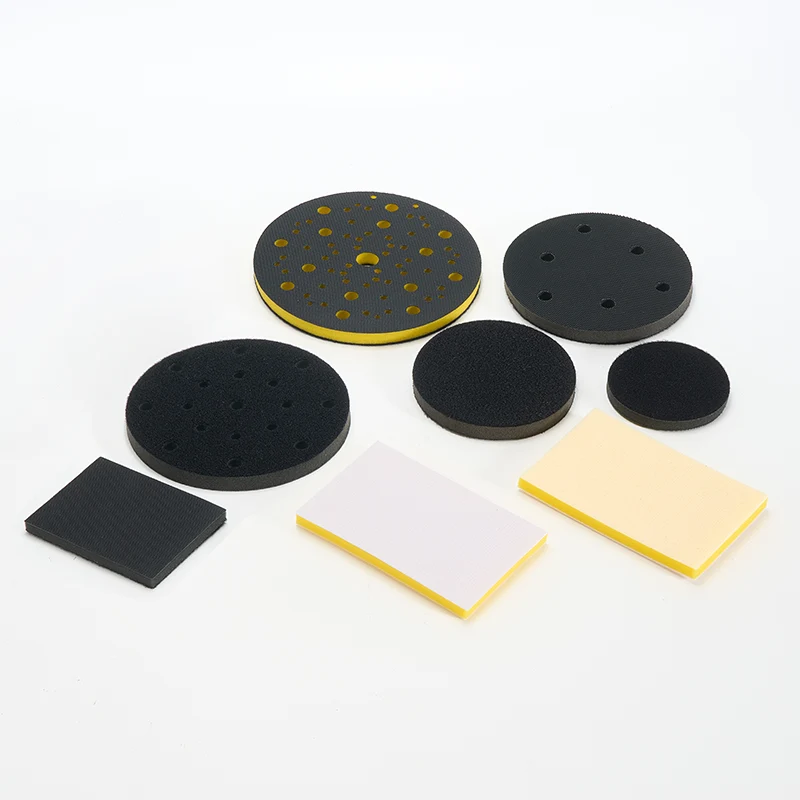
To assess the resilience of a sanding sponge for cars, press firmly on the center of the sponge block with your finger, hold for a few seconds, then release to observe how quickly and completely it returns to its original shape. A sponge with good resilience will rebound quickly, leaving almost no indentation; such sponges conform better to the curves of the vehicle's body during sanding, providing the operator with even support and feedback. Conversely, if the sponge rebounds slowly or retains an indentation, it indicates that the internal structure is too soft or has aged. Such sponges are prone to deformation and collapse during use, causing sanding pressure to concentrate in localized areas and compromising surface flatness. Another method involves repeatedly pressing the same spot a dozen or so times to simulate prolonged use and observe whether elasticity deteriorates. Some low-cost sanding sponges for cars begin to soften and lose thickness after just a few presses; such materials fail even faster in high-temperature or wet-sanding environments.
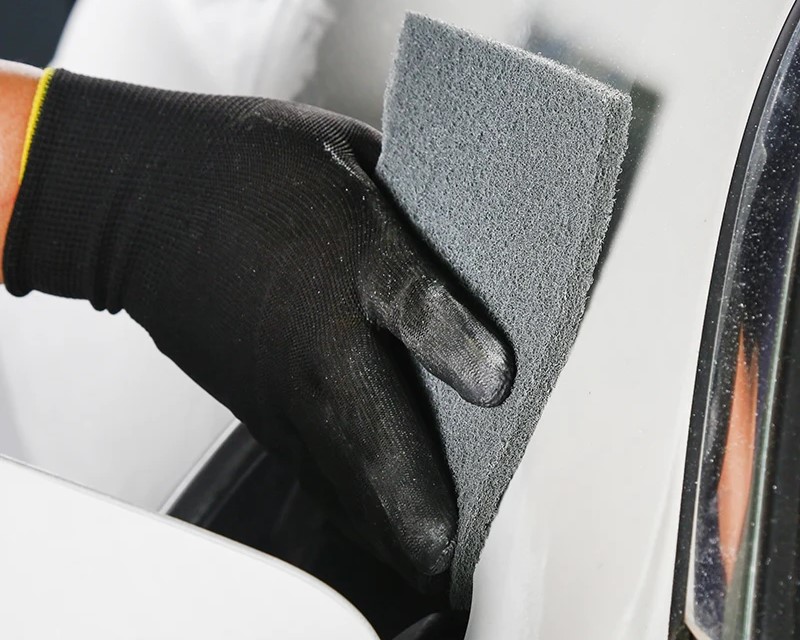
Beyond individual tests, it is more meaningful to evaluate bonding strength and resilience in combination. A high-quality sanding sponge for cars should not exhibit noticeable grit loss on the sanding surface after bending or pressing, while the sponge body should retain its original resilience and thickness. During the production of sanding sponges for cars, Dongsheng Sandpaper focuses its process control on these two dimensions—the bonding process between the abrasive and the sponge base has undergone repeated testing to ensure stable adhesion under both dry and wet grinding conditions; the density and elasticity of the sponge base have also been fine-tuned multiple times to ensure the product conforms to the curves and edges of the vehicle body without collapsing.
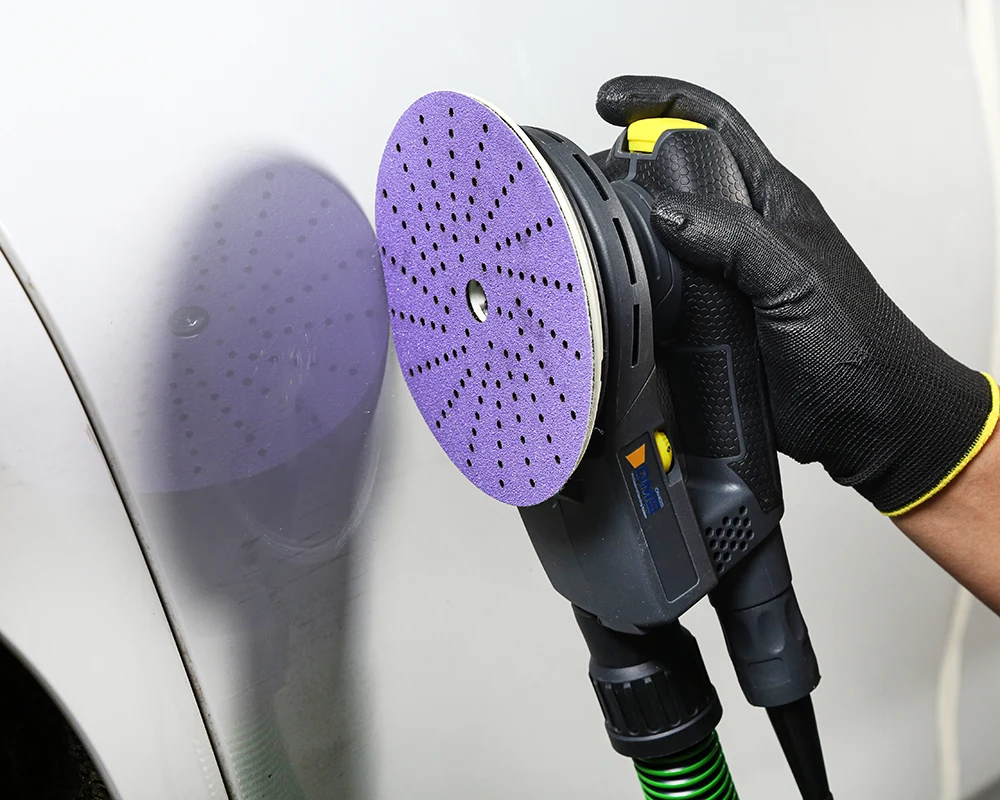
In summary, during actual use, you can test a small piece of the sanding sponge by making a few test passes on a discarded sheet metal part to observe whether the abrasive grains fall off and whether the sponge remains flat. After conducting this simple set of quick tests—scraping, folding, pressing, and sanding—you'll have a good idea of the bonding strength and resilience of the sanding sponge for cars.
Related News
- How to Tell When Your Water-resistant Sandpaper Has Failed in Wet Sanding?
- Ultra-Fine Sandpaper in Auto Refinishing: Tips for Edge Safety and Consistent Finish
- Beyond Samples: How to Confirm Production Consistency from Your Pneumatic Sandpaper Supplier
- Automotive Sandpaper Manufacturer Recommendation | Dry & Wet Sanding, Round & Square Sheets, Direct Source Factory
- A Must-Read Checklist for Purchasing Professionals: How to Avoid Sandpaper Manufacturers with Unstable Sandpaper Production?
- Sandpaper Procurement: Which Sandpaper Factory Is Reliable for Purchasing Sandpaper Supplies for Auto Repair and Carpentry?
Leave me a message