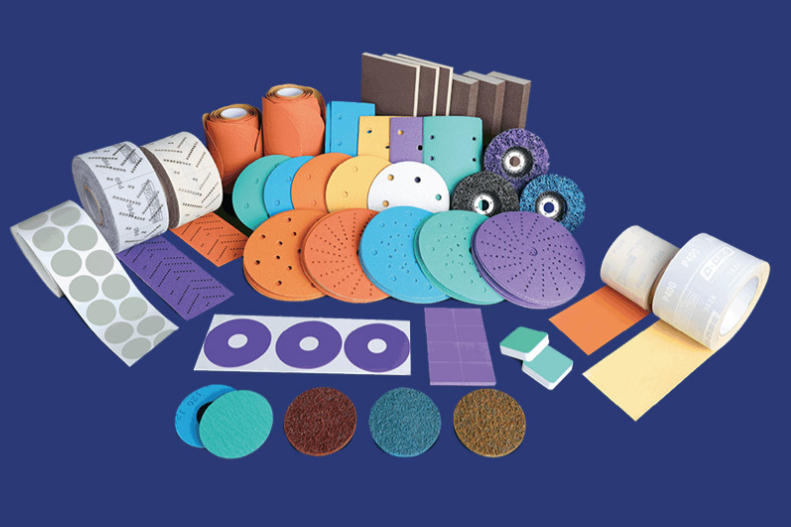
Long Sandpaper Purchasing Guide: Four Metrics That Define Truly Efficient Sanding Rates
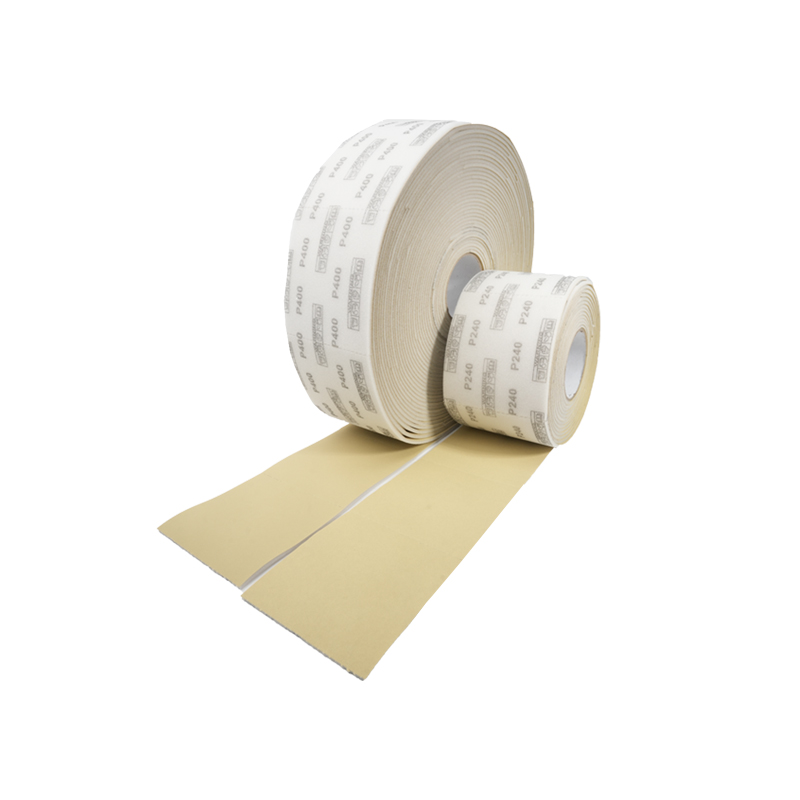
In industrial sanding operations, long sandpaper is one of the most heavily consumed materials. However, purchasing decisions often stop at the level of “just choosing the right grit,” overlooking the performance metrics that truly determine sanding results. The result is inconsistent surface quality, frequent sheet changes, and rising labor costs—yet the root cause of these problems is rarely traced back to the sandpaper itself.
Truly efficient long sandpaper does not need to rely on brand name to prove its worth. The following four metrics, compiled by DMS, provide a technical framework for evaluating whether a product deserves a place on your procurement list.
I. Cutting Speed—The Turning Point for Efficiency
Cutting speed directly determines the time required for a single grinding operation. The test method is simple: take a piece of long sandpaper, apply even pressure, and grind the surface of the same workpiece. A high-quality product delivers crisp, decisive results—a distinct grinding sound and material removal visible to the naked eye. Inferior products yield the opposite results.
This difference stems from the type of abrasive and the bonding process. Ceramic alumina abrasives produced using an electrostatic coating process are oriented so that the sharp tips of each grain face outward, enabling them to enter a highly efficient cutting state from the very first second of contact with the workpiece. This characteristic becomes particularly critical when sanding hard metals or stainless steel.
II. Service Life—Self-Sharpening Capability Determines Unit Cost
Service life is not measured by how long it takes for the sandpaper to “wear out,” but rather by how long it can “stay sharp.” This is a fundamental technical dividing line.
A high-quality long sandpaper demonstrates true self-sharpening. Dulled microcrystalline particles shed through microscopic fracturing, continuously exposing new, sharp cutting edges beneath. Cutting speed remains stable over a long operational window, declining only gradually toward the end of its service life. In contrast, inferior products do not shed their dulled particles; instead, a smooth, glaze-like layer forms on the surface, causing cutting performance to plummet. Operators instinctively increase pressure, causing the workpiece to overheat rapidly, while the sandpaper has essentially become ineffective. Self-sharpening directly translates to a single sheet of sandpaper completing more work, fewer sheet changes, and a lower cost per unit.
III. Clog Resistance and Heat Dissipation—Overlooked Factors in Surface Quality
Clogging and heat damage are two persistent causes of surface defects, and the root causes of both can often be traced back to the sandpaper itself.
To evaluate this, use a long strip of sandpaper to sand a painted wooden board or an aluminum sheet. With a high-quality product, abrasive dust does not become embedded in the gaps of the sandpaper surface; a light shake is enough to dislodge it. This is due to the combined effect of the stearate anti-clogging coating and the self-sharpening shedding of the abrasive grains. Throughout the process, the workpiece remains only slightly warm. In contrast, a low-quality product quickly becomes clogged, causing resistance to surge. The operator is forced to apply more pressure, leading to a rapid buildup of heat until the paint surface scorches or the metal edges turn blue.
IV. Backing and Seams—The Threshold of Reliability Under Production Rhythms
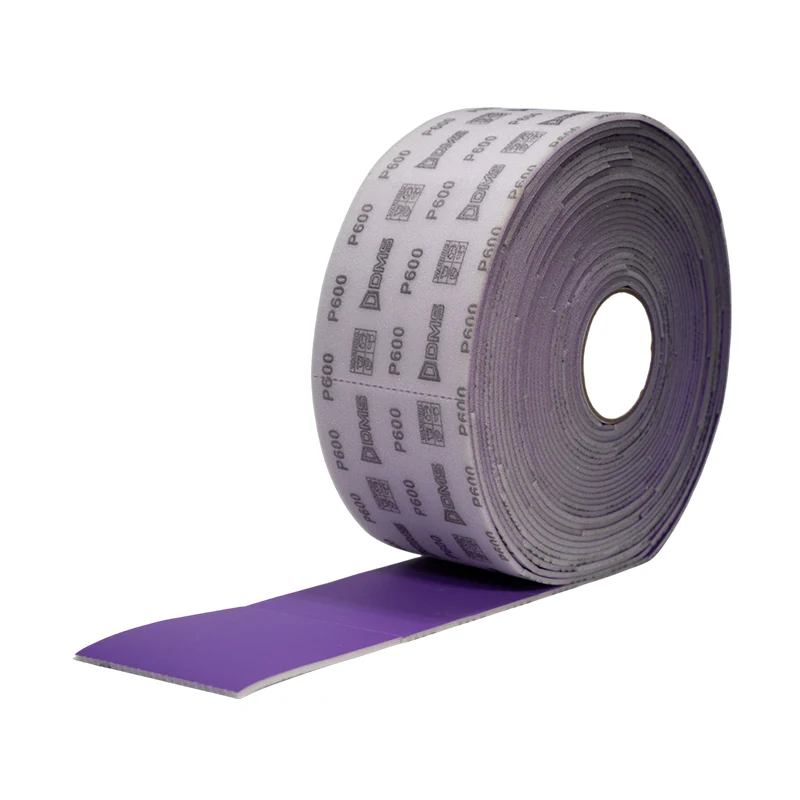
For machine applications, backing integrity and seam quality are two non-negotiable criteria. To test the backing, repeatedly bend and scrunch the sandpaper along its length. High-quality backing is flexible and tear-resistant, it does not shed large amounts of grit at the creases, and the edges remain clean and free of burrs. Poor-quality backing, on the other hand, is prone to cracking or even breaking at the creases. For sanding belts, uneven splices cause noticeable skipping during operation, and the resulting vibration patterns are directly imprinted on the workpiece surface, creating defects that are difficult to repair.
Establishing a Suitable Evaluation Framework
In summary, cutting speed, service life, clog resistance and heat dissipation, and backing and splices—these four metrics constitute an evaluation framework that is entirely independent of brand. When purchasing long sandpaper, request samples and conduct parallel comparison tests under identical operating conditions. Let the cutting speed, replacement frequency, workpiece temperature, and final surface finish speak for themselves. Any product that passes all four of these tests is the choice that will truly reduce costs and improve efficiency in your grinding process.
Related News
- Getting Wave Marks? Issues to Check When Using Pneumatic Sandpaper
- What Are the Benefits of Eco-Friendly Ceramic Sandpaper for Low-Dust Sanding?
- What Leads to Peeling of the Waterproof Coating on Wet Sandpaper? Key Usage Tips
- Ceramic Sandpaper vs Silicon Carbide Sandpaper: How to Pick for Your Grinding Job
- Why Anti Static Fine Sandpaper Matters in Electronics Manufacturing
- Is Porous Dust-Collecting Automotive Sandpaper Worth the Switch?
Leave me a message