Replacing Ceramic Abrasive Sandpaper? Don't Skip These Sanding Pad Checks
In body and paint shops, ceramic-grit sandpaper is widely used in core processes such as putty leveling and primer sanding due to its stable self-sharpening properties and balanced cutting performance. When replacing sandpaper, most technicians tend to focus only on the condition of the sanding surface while neglecting to inspect the sanding pad. As the key interface between the equipment and consumables, the flatness, permeability, and integrity of the sanding pad directly determine the effectiveness of the ceramic abrasive sandpaper and are crucial details for avoiding sanding defects and reducing material waste.
I. Checking the Flatness of the Sanding Pad to Avoid Uneven Pressure Distribution
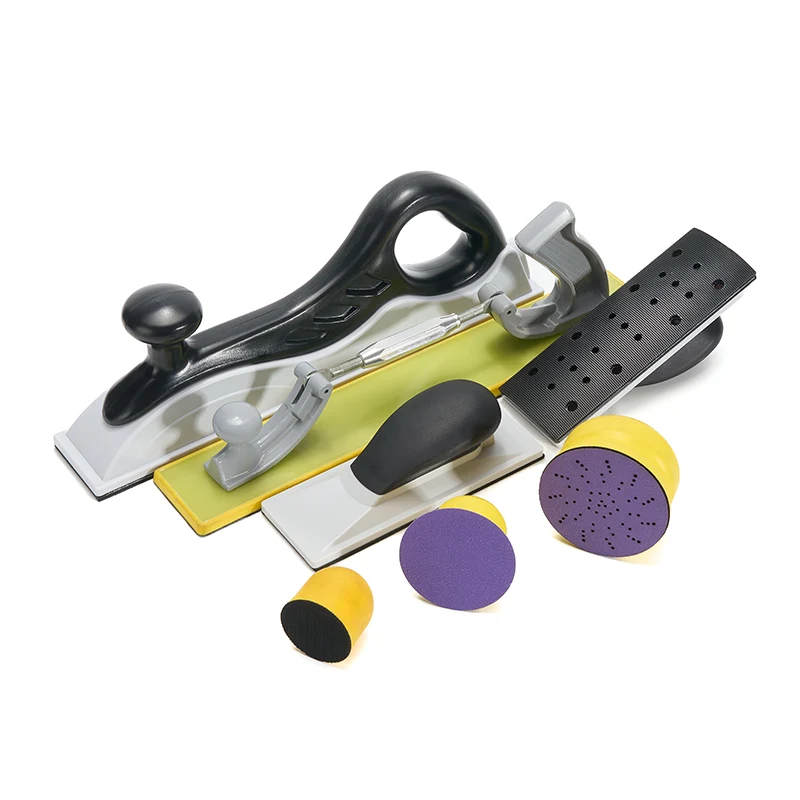
When replacing sandpaper, first check the flatness of the sanding pad. Prolonged high-speed operation can cause the sanding pad to develop warped edges, dents, or deformation. Ceramic abrasive sandpaper offers excellent cutting efficiency; however, if pressure is distributed unevenly across the pad, it can easily lead to localized over-sanding, ripples in the paint finish, and other issues. You can check this by placing the pad against a flat surface or using a straightedge. Sanding pads with noticeable looseness or warping must be replaced promptly to avoid relying on consumables to compensate for pad defects.
II. Clear Dust Exhaust Vents to Ensure Effective Dust Collection
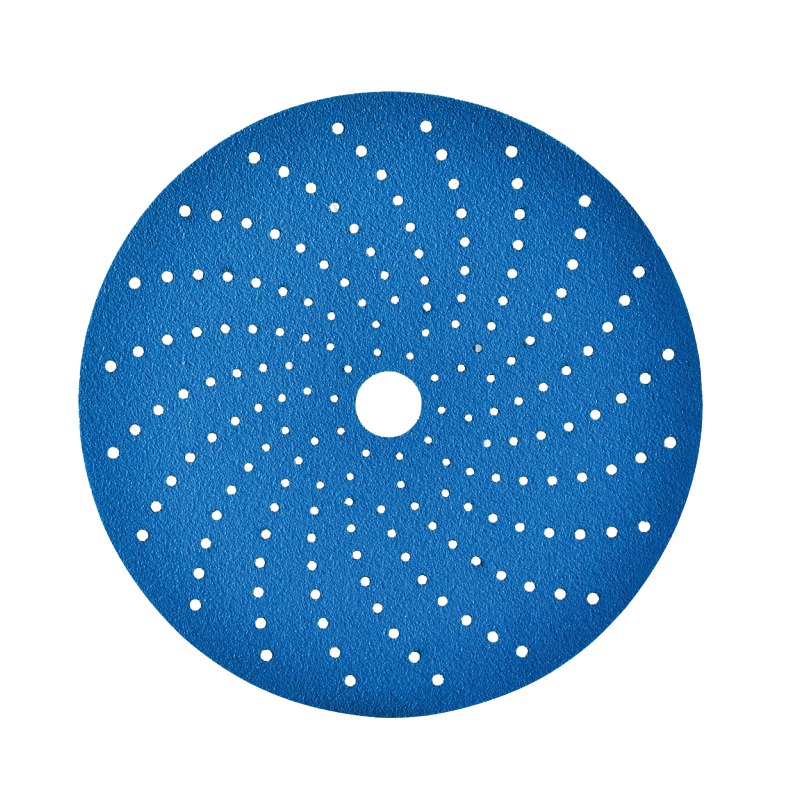
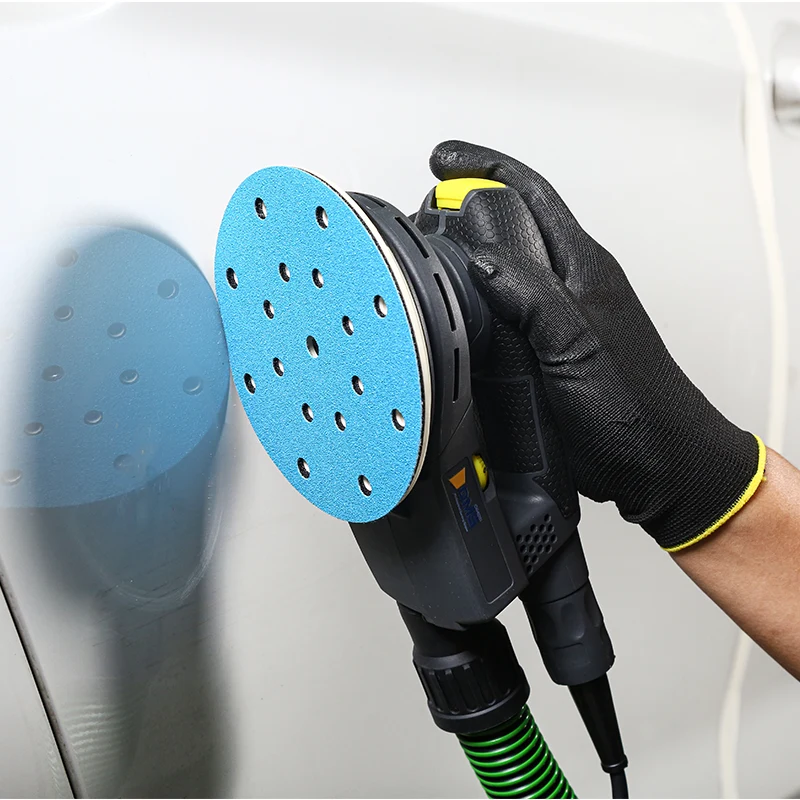
Next, ensure the dust exhaust vents are unobstructed. Dust generated from sanding putty is fine and prone to clumping; prolonged accumulation can block the holes in the pad, reducing the negative pressure required for dust collection. If dust cannot be expelled promptly, it will accumulate between the sanding surface and the workpiece, exacerbating paper clogging and generating heat during operation, which affects the finish quality. After each sandpaper change, use compressed air to clear the holes and simultaneously inspect the hose connections to prevent air leaks and loose fittings, thereby ensuring effective dust collection.
III. Inspect the Hook-and-Loop Backing to Ensure Secure Adhesion
Next, check the grip strength of the hook-and-loop backing. Ceramic abrasive sandpaper relies on the backing fleece to adhere to the sanding pad. With prolonged use, the hook surface is prone to flattening, debris buildup, and loss of elasticity, causing the sandpaper to become loose. During high-speed operation, sandpaper slippage or misalignment can result in uneven sanding patterns and pose safety hazards. Routinely check the grip strength by pressing with your hand; minor debris buildup can be cleaned and maintained, while severely worn or aged sandpaper must be replaced promptly.
IV. Inspect the Shock Absorption Layer and Connections to Ensure Stable Operation
Simultaneously inspect the condition of the shock absorption layer and connections. The grinding disc’s shock absorption layer cushions pressure and accommodates curved surfaces; if it has aged and hardened or has localized depressions, the grinding feel will become stiff, increasing the risk of scratching the paint surface. Additionally, check that the spindle screws and positioning pins are intact to ensure the equipment operates concentrically. Finally, match the sandpaper to the disc specifications. After installing the consumables, run the machine idle to check for wobbling or vibration issues.
The excellent cutting performance of ceramic abrasive sandpaper relies on the proper fit of the sanding disc. Although the steps for replacing and inspecting the disc may seem simple, they are a crucial part of preventing sanding defects, improving work efficiency, and extending the service life of consumables.
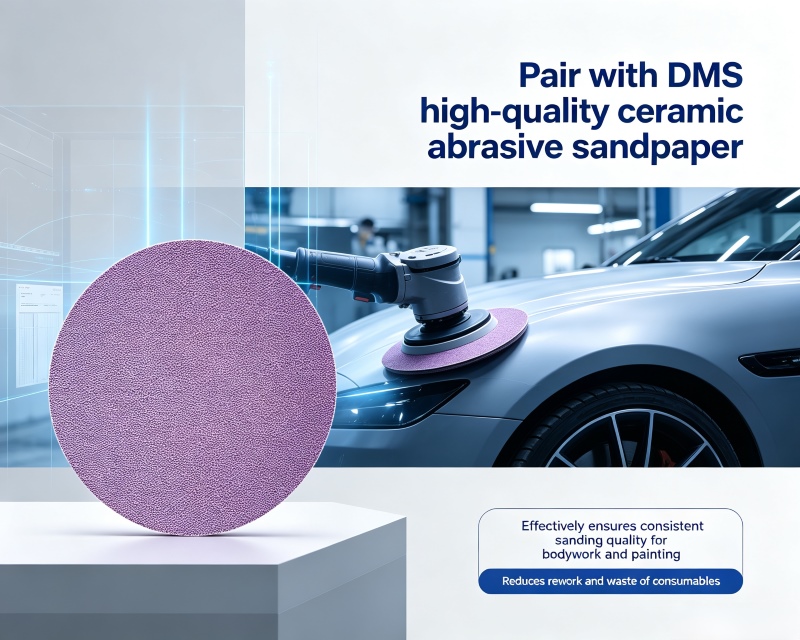
In summary, conducting a comprehensive inspection—including disc surface flatness, dust exhaust holes, backing, and vibration-damping interfaces—in accordance with standard procedures maximizes the self-sharpening and wear-resistant advantages of ceramic abrasives. When paired with DMS high-quality ceramic abrasive sandpaper, this approach effectively stabilizes the quality of bodywork and paint sanding, reduces rework and consumable waste, and makes dry sanding operations in the workshop more standardized and efficient.
Next :
-
Related News
- Reduce Clogging, Improve Efficiency: Automotive Sandpaper and Dust Extraction
- Why Does Machine Sandpaper Overheat? Causes and Practical Solutions
- A Practical Guide to Low-grit Sandpaper Selection for Metal Sanding
- Assessing a Sandpaper Factory: Stable Supply and Modification of Aluminum Oxide Sandpaper Automotive
- Why Ceramic Abrasive Wet-Sanding Sandpaper Excels on Soft Varnish
- Paint Finishing with High-Grit Sandpaper: Selection Criteria and Progression Tips
Leave me a message