Ceramic Sandpaper vs Silicon Carbide Sandpaper: How to Pick for Your Grinding Job
In the workshop, picking sandpaper often comes down to matching the grit number. But what really affects sanding results and consumable costs is the abrasive itself. Ceramic Sandpaper and silicon carbide sandpaper serve different purposes. One is built for efficiency and long service life. The other is built for precision and surface quality. Knowing where each one fits makes selection much easier.
What each abrasive does best
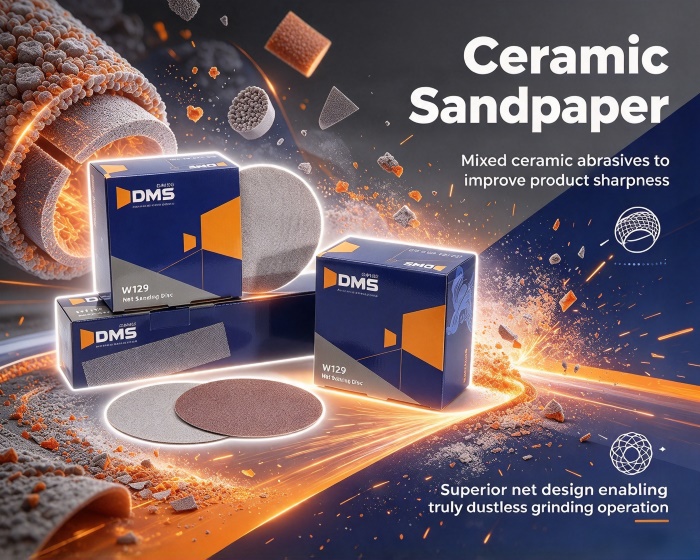
Ceramic Sandpaper works on a self-sharpening principle. Its abrasive is mainly ceramic alumina. As the grains dull, microcrystals fracture and expose fresh cutting edges. This keeps cutting performance steady over a long working cycle, which makes it a good fit for stainless steel, carbon steel welds, and hardwood. Operators don't need to lean into the tool to keep the cut going, which also lowers the risk of overheating the workpiece.
Silicon carbide sandpaper uses harder grains with sharper edges, but those grains are also more brittle and chip under pressure. That makes it better suited to fine finishing than heavy grinding. Silicon carbide excels at producing uniform, fine scratches, which is why it shows up in paint touch-ups, clear coat sanding, and polishing plastics or glass.
Where each one fits
For coarse grinding, weld removal, rust removal, or moving a lot of material, Ceramic Sandpaper cuts faster and lasts longer, so you change sheets less often. On body filler shaping or hardwood sanding, the self-sharpening grain keeps the pace steady.
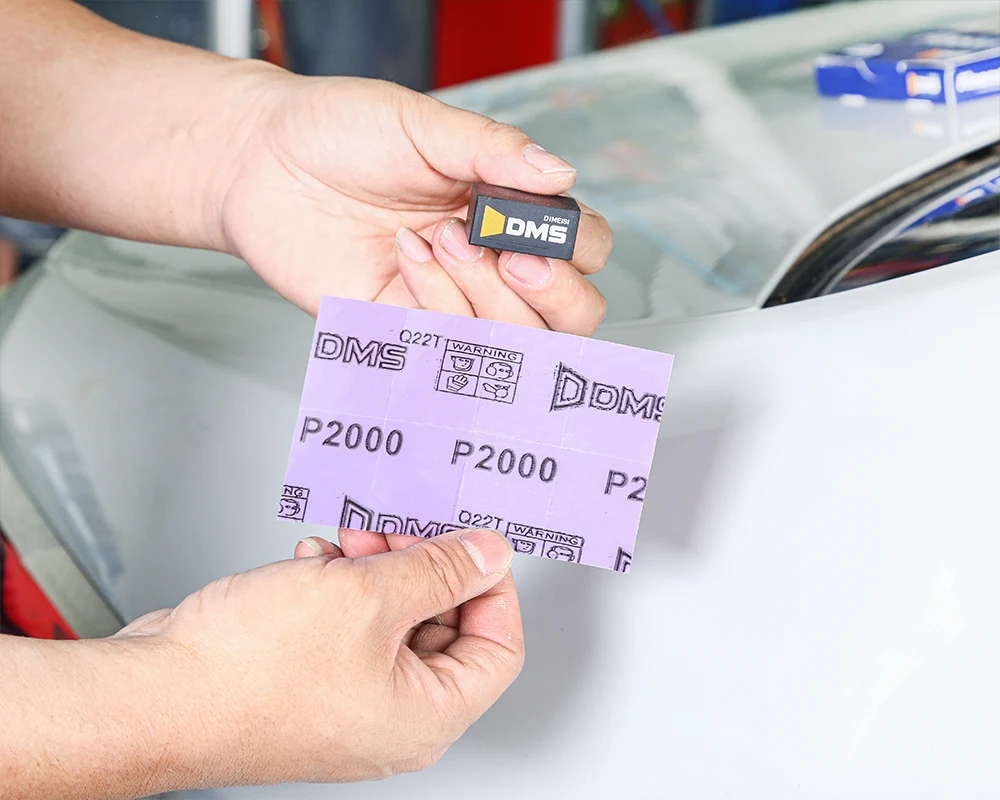
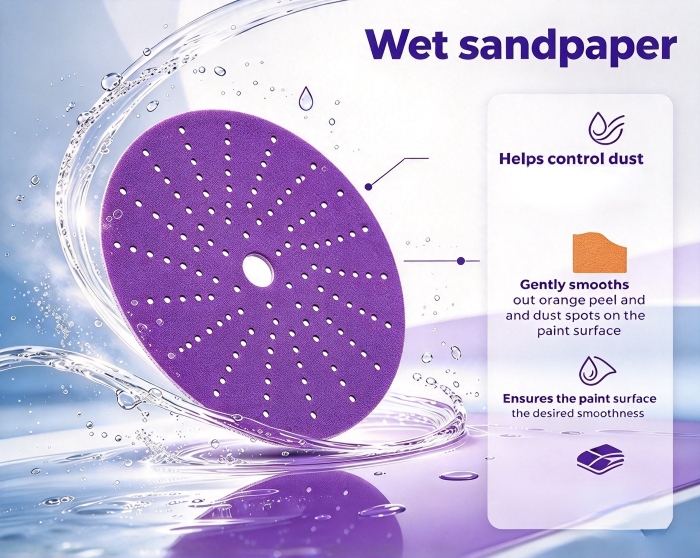
Silicon carbide sandpaper is more common in wet and fine sanding. It usually comes as waterproof paper. Used with water or a grinding fluid, it clears debris and keeps heat down, which helps produce a smoother surface. For clear coat sanding, paint defect repair, and primer finishing, its fine cut gives better results.
Backing and format
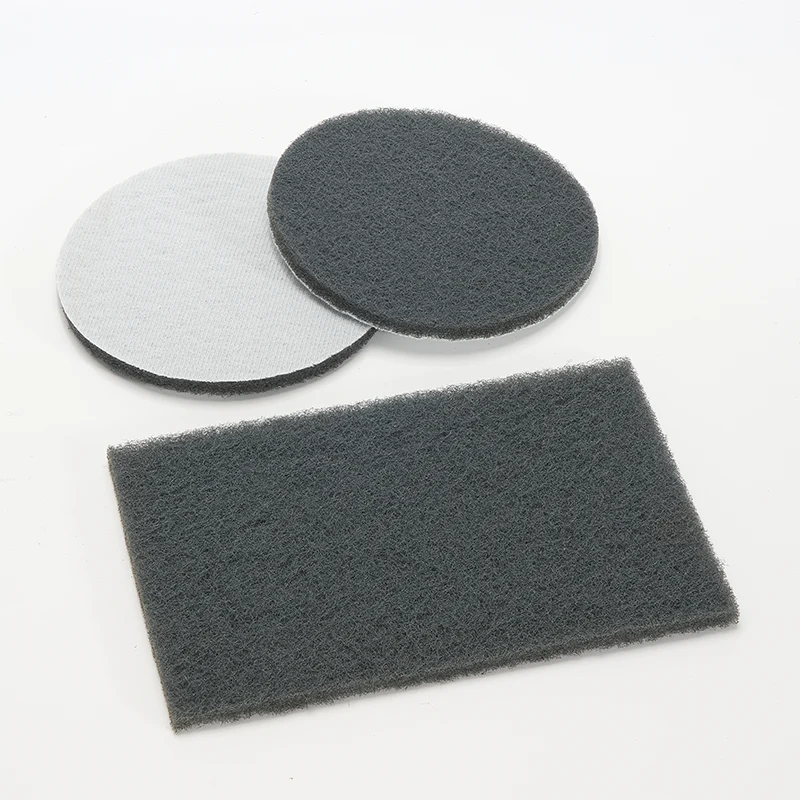
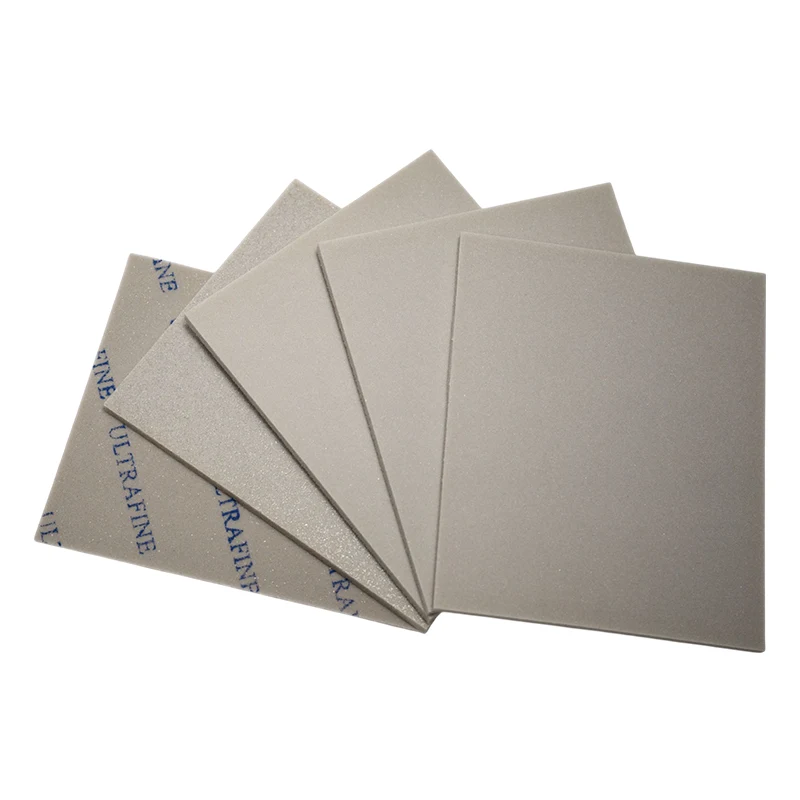
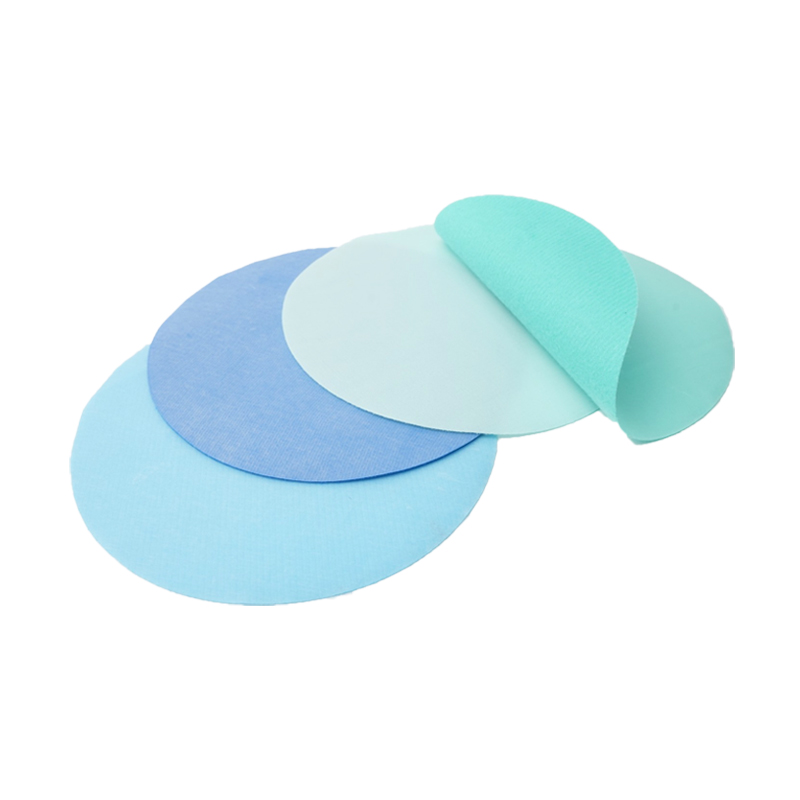
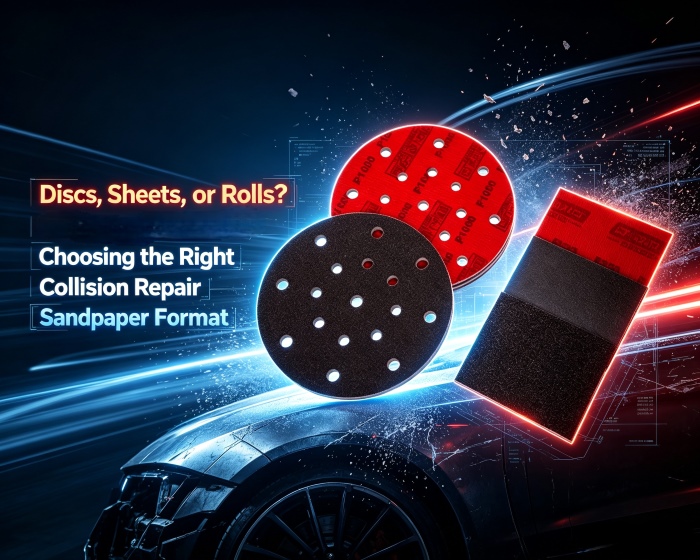
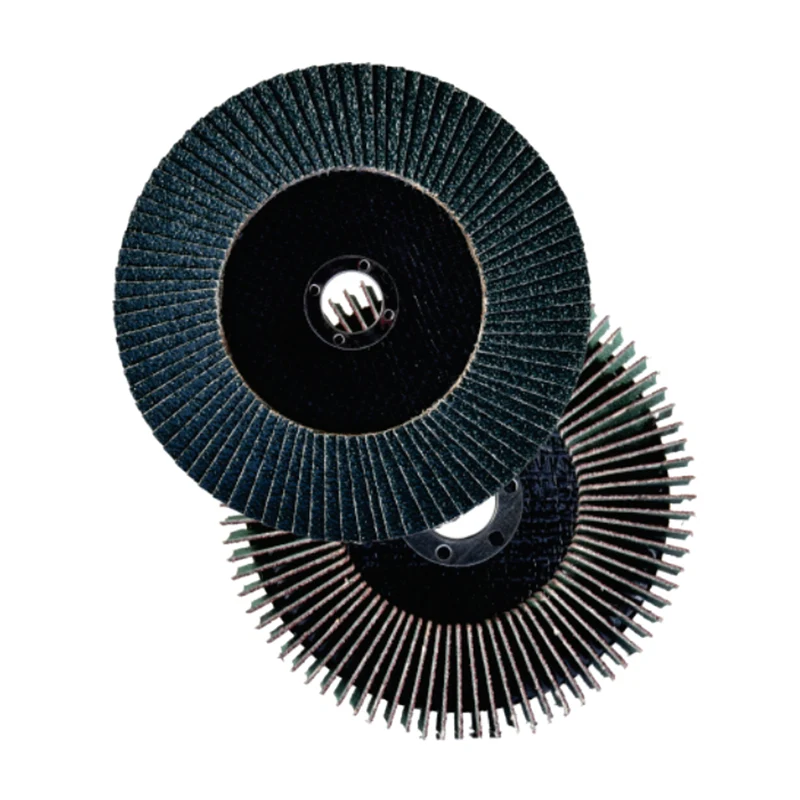
Ceramic Sandpaper typically comes as discs, belts, or mesh sheets, with cloth or film backing to handle machine sanding tension. Silicon carbide sandpaper is more often sold as sheets or rolls with paper backing, which suits hand wet sanding and precision work. The format usually matches the job.
How to choose
Go with Ceramic Sandpaper for rough grinding and heavy cutting. Choose silicon carbide for fine sanding and wet polishing. If the job sits between the two, look at the workpiece material and the finish you need. Hard materials and speed point to ceramic. A high surface finish points to silicon carbide.
About Us
DMS's Ceramic Sandpaper line covers sheet metal rough grinding, weld seam treatment, and hardwood sanding, with ongoing work on grain distribution and backing stability. For shops focused on rough grinding and heavy cutting, it's a practical option to evaluate.
Before buying, run a small sample test on the same workpiece. Compare cutting speed, surface finish, and sheet life, then decide what fits your shop best.
Related News
- What Leads to Peeling of the Waterproof Coating on Wet Sandpaper? Key Usage Tips
- Why Anti Static Fine Sandpaper Matters in Electronics Manufacturing
- Is Porous Dust-Collecting Automotive Sandpaper Worth the Switch?
- Wrong Collision Repair Sandpaper Costs You Time. Here's How to Choose Right
- Why Sanding Pad Inspection Matters When Replacing Finishing Sandpaper
- When Ceramic Flap Discs for Metal Fabrication Stop Self-Sharpening: What to Watch For
Leave me a message