Why Anti Static Fine Sandpaper Matters in Electronics Manufacturing
In electronic component processing and repair, sanding may seem simple, but it hides a risk that is easily overlooked. Many technicians reach for ordinary fine-grit sandpaper when working on casings, contacts, or precision components, only to find dust clinging to the workpiece or components failing in later testing. In many cases, the sandpaper itself is the problem.
So why has anti static fine sandpaper become an essential choice? Here, DMS shares insights drawn from years of industry experience.
To understand this issue, we first need to look at where static electricity comes from. When sandpaper rubs against a workpiece at high speed, electrical charges build up on the surface. Without a path to discharge, they keep accumulating.
For ordinary metal parts, this small amount of charge is insignificant. Electronic components are a different story. Semiconductor devices, circuit boards, and precision sensors have very limited tolerance for electrostatic discharge. Even a single, barely noticeable discharge can break down an internal circuit and cause irreversible damage. Worse, the damage sometimes doesn't show up immediately. The product may gradually fail during later use, creating real challenges for quality control.
Static electricity also interferes with the sanding process itself. Charged sandpaper and workpieces act like magnets, attracting dust and grinding debris from the air. These particles settle on the sanded surface. At best, they compromise surface cleanliness. At worst, they cause coating defects or poor welds in later processes. If repeated wiping still doesn't get the surface clean, static electricity is often the reason.
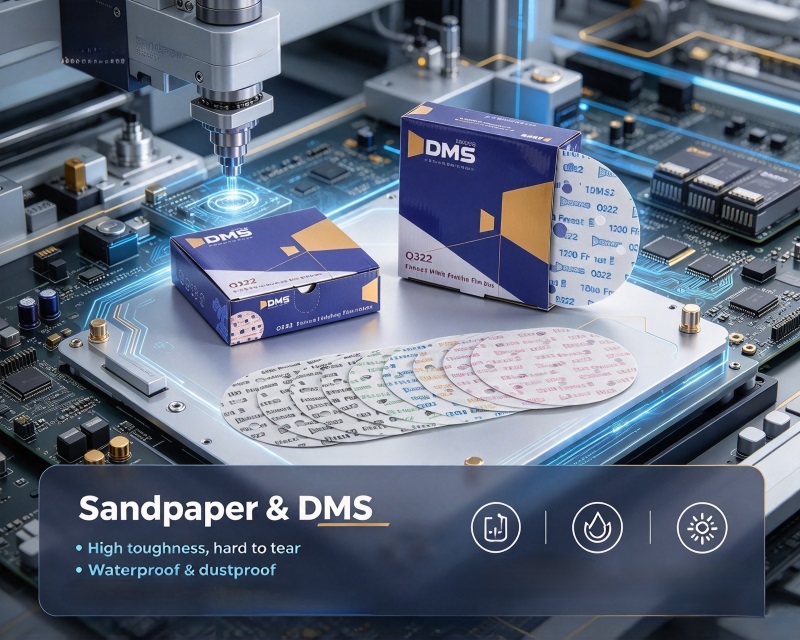
Anti static fine sandpaper addresses this issue directly. Anti-static components are built into the backing or coating, forming a conductive network that dissipates static charges as they form instead of letting them accumulate. This type of sandpaper also features a clog-resistant design, so grinding debris is less likely to stick to the surface. The workpiece stays clean, and cutting performance remains stable.
From a workshop management perspective, there is another benefit that often goes unnoticed. Fine dust from sanding electronic components can stay suspended in the air for long periods, and under certain conditions, static sparks pose a fire risk. Using anti static fine sandpaper reduces that hazard and adds a layer of safety to the work environment.
Overall, choosing anti static fine sandpaper for electronics sanding is not about improving one single metric. It addresses component safety, sanding quality, and the work environment at the same time. Standard sandpaper may cost less upfront, but it can lead to lower yields and higher rework costs. For any workshop with electronics sanding processes, adding this type of sandpaper to the standard consumables list is a quality control measure worth considering.
Related News
- What Leads to Peeling of the Waterproof Coating on Wet Sandpaper? Key Usage Tips
- Ceramic Sandpaper vs Silicon Carbide Sandpaper: How to Pick for Your Grinding Job
- Is Porous Dust-Collecting Automotive Sandpaper Worth the Switch?
- Wrong Collision Repair Sandpaper Costs You Time. Here's How to Choose Right
- Why Sanding Pad Inspection Matters When Replacing Finishing Sandpaper
- When Ceramic Flap Discs for Metal Fabrication Stop Self-Sharpening: What to Watch For
Leave me a message