Is Porous Dust-Collecting Automotive Sandpaper Worth the Switch?
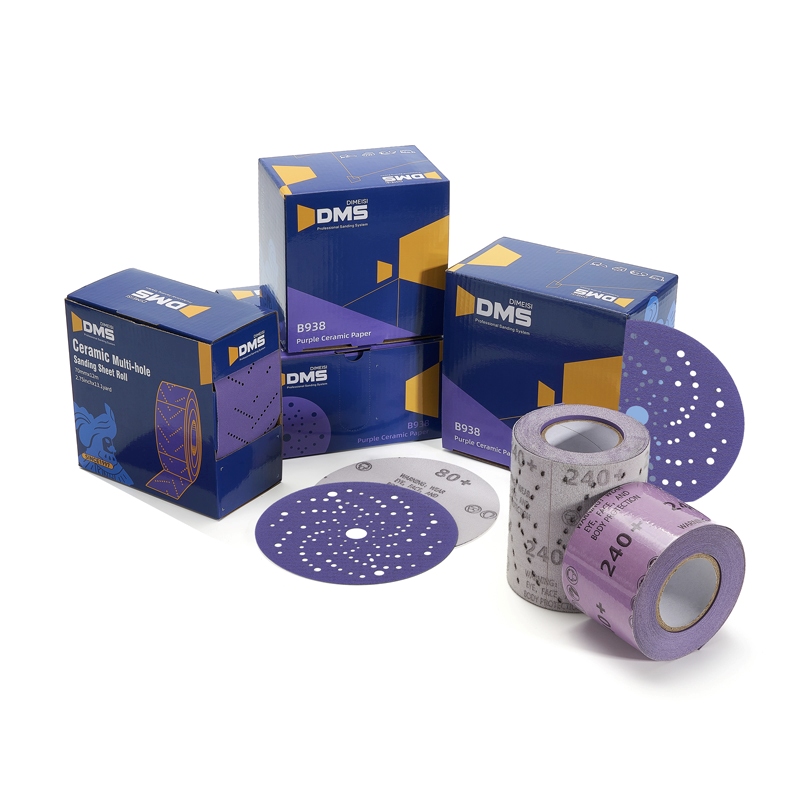
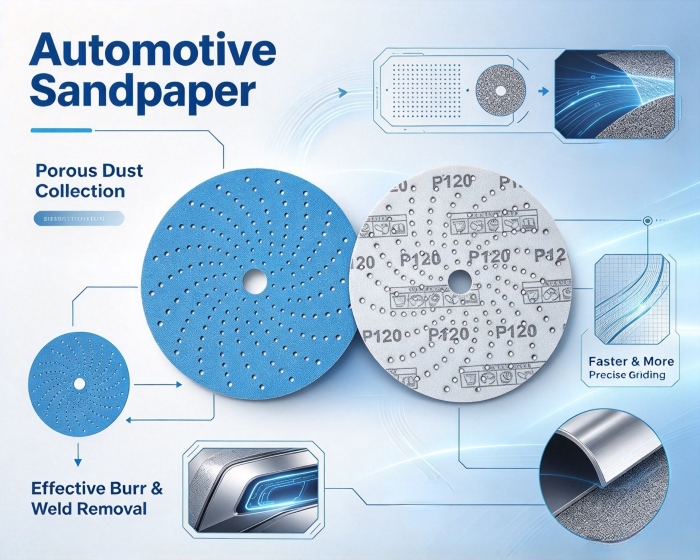
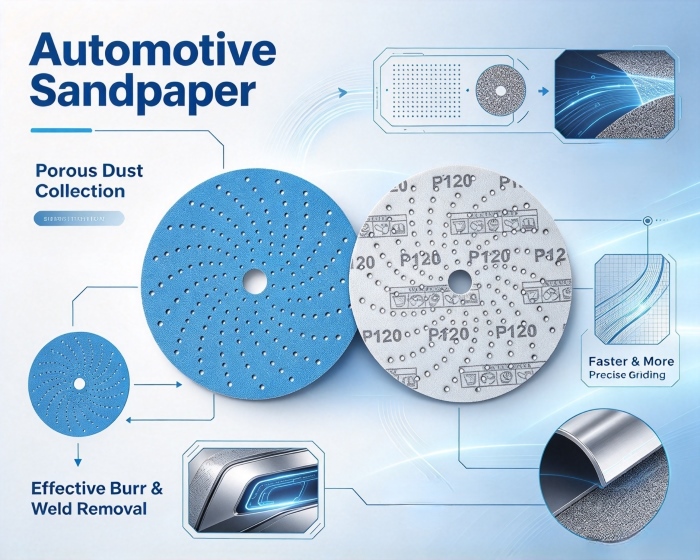
Dust accumulation is a common challenge in auto body and paint dry sanding, affecting both finish quality and consumable life. Porous dust-collecting automotive sandpaper uses an optimized hole pattern. Compared to conventional sandpaper with single or few holes, it works better with body shop dust extraction systems and brings practical improvements to daily operations.
1. Does it really extract more dust?
Standard-hole sandpaper has limited openings, so dust from sanding putty and primer gets trapped between the abrasive grains and clogs the surface quickly. Porous dust-collecting automotive sandpaper spreads more holes across the surface, so dust is pulled away by the extraction system before it builds up. The sanding surface stays cleaner, cutting performance holds steady for longer, and you change sandpaper less often.
2. Why does the finish come out more consistent?
Once sandpaper clogs, trapped dust particles leave irregular scratches on the workpiece, affecting the smoothness of the putty layer and primer coat. The porous design keeps dust moving, so the sanding surface stays clean. The result is a more uniform putty layer, a smoother primer coat, and cleaner feathered edges, which reduces the chance of defects showing up in the final paint.
3. How much does it help the workshop environment?
Dry sanding generates a lot of airborne dust. When porous dust-collecting automotive sandpaper is used with a dust-collecting sander, dust is pulled through the holes right away, so less of it stays in the air. This makes a noticeable difference for technicians working in the booth and makes daily cleanup easier.
4. Does it save time on the job?
Conventional sandpaper clogs fast, forcing technicians to stop and clean the surface or swap sheets. Porous dust-collecting automotive sandpaper runs longer between changes, which cuts down interruptions. In shops doing batch collision repair, those saved minutes add up over a week.
5. What happens if the hole pattern doesn't match?
Finally, porous dust-collecting automotive sandpaper only performs as intended when paired with a matching sanding pad and extraction unit. If the hole patterns don't line up, airflow drops and dust extraction suffers, so the sandpaper's advantages disappear. When changing sheets, check that the holes on the pad and the sandpaper are aligned and the channels are clear. DMS designs its automotive sandpaper hole layouts to match common dust-collection sanding pads, making it a practical option to test in your workshop.
Related News
- What Leads to Peeling of the Waterproof Coating on Wet Sandpaper? Key Usage Tips
- Ceramic Sandpaper vs Silicon Carbide Sandpaper: How to Pick for Your Grinding Job
- Why Anti Static Fine Sandpaper Matters in Electronics Manufacturing
- Wrong Collision Repair Sandpaper Costs You Time. Here's How to Choose Right
- Why Sanding Pad Inspection Matters When Replacing Finishing Sandpaper
- When Ceramic Flap Discs for Metal Fabrication Stop Self-Sharpening: What to Watch For
Leave me a message