When Ceramic Flap Discs for Metal Fabrication Stop Self-Sharpening: What to Watch For
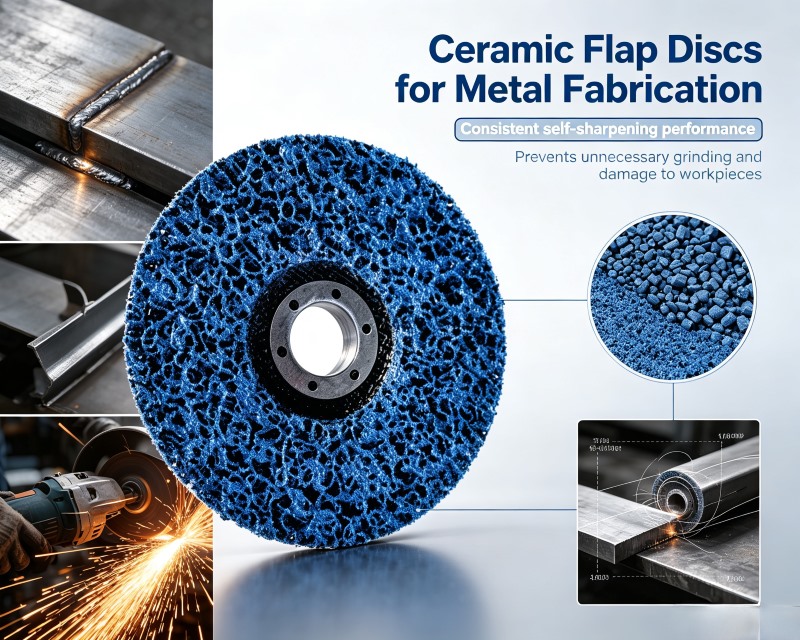
The core value of ceramic flap discs for metal fabrication lies in the fact that the abrasive grains continuously fracture as they wear down, exposing new cutting edges. Once this self-sharpening mechanism begins to deteriorate, the disc does not become immediately unusable. Instead, it gradually sends signals through details such as the feel of the cut, the shape of the sparks, and the workpiece temperature. The problem is that many operators do not realize it is time to replace the disc until machining quality has noticeably deteriorated. Learning to recognize these signals early on can prevent ineffective grinding and workpiece damage.
I. Changes in Cutting Speed and Spark Pattern
A ceramic flap disc for metal fabrication in good condition cuts steadily, with sparks flying off the workpiece in a uniform stream and a smooth cutting feel. When the self-sharpening ability begins to decline, you will feel the disc slipping across the workpiece surface rather than truly cutting into it. Sparks become sparse and irregular, and greater pressure must be applied to remove the same amount of material. This extra pressure is itself a signal that the abrasive grains are no longer fracturing and renewing as expected.
II. Abnormal Temperature Rise in the Workpiece and Disc
Ceramic abrasives are designed for cutting, not friction. Once the abrasive grains become dull and can no longer self-renew, friction takes over. The workpiece heats up more rapidly, the stainless steel surface may discolor, and the area of the ceramic flap discs for metal fabrication near the mounting hole may become too hot to touch. If blue or brown discoloration is observed on the metal, it indicates that the disc has likely lost its self-sharpening ability and is now squeeze-polishing the workpiece rather than cutting it. Continued use at this point will only worsen thermal damage.
III. Glazing or Shiny Appearance on the Flap Surface
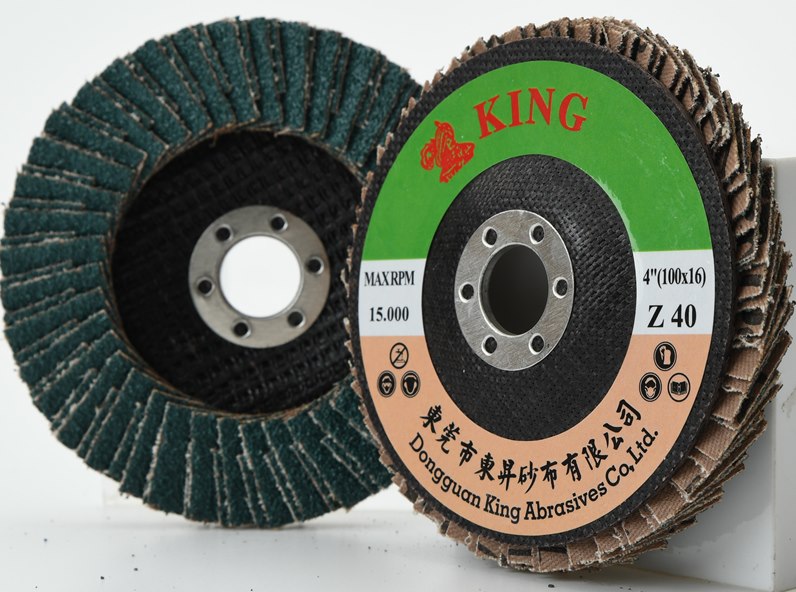
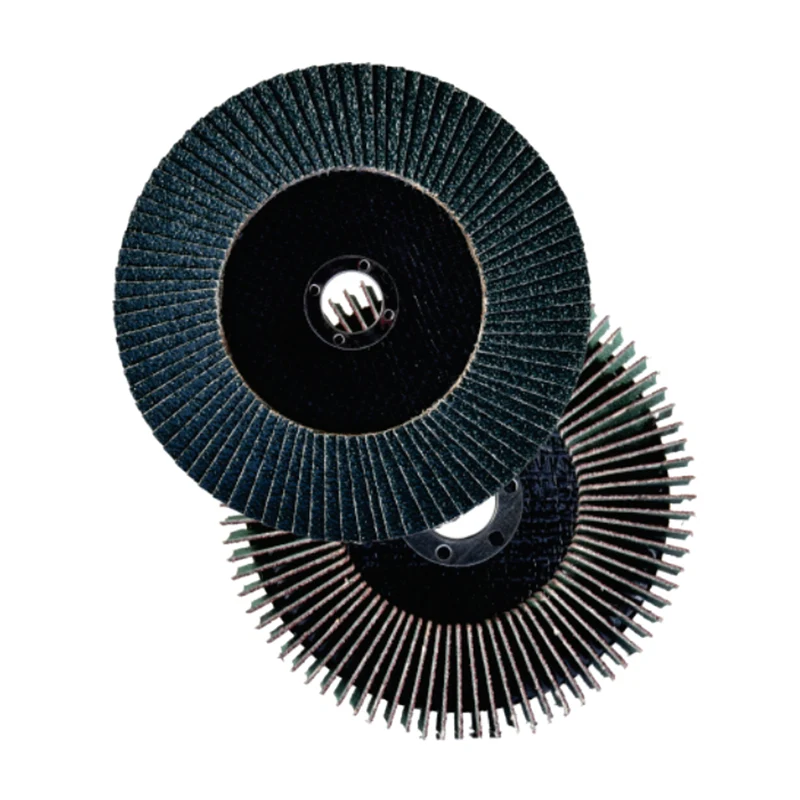
When a ceramic flap disc for metal fabrication is in operation, its surface exhibits a relatively open, rough abrasive texture. When the abrasive grains become dull and stop fracturing, a smooth, glazed layer gradually forms on the surface, sometimes accompanied by dark residues caused by overheated metal particles. This glazed layer prevents the abrasive from making effective contact with the workpiece and is one of the clearest signs that the disc is no longer self-renewing. Continuing to grind after glazing is detected will result in a steady decline in cutting efficiency.
IV. Uneven Flap Wear
Ceramic flap discs for metal fabrication with self-sharpening capabilities typically exhibit uniform wear because the abrasive grains fracture at a controlled rate. Once self-sharpening ceases, some flaps may wear faster than others, creating unbalanced edges that cause vibration or produce inconsistent scratches. You may also notice that the outer edges have been ground flat while the inner flaps remain sharp. This indicates that the disc is not continuously shedding and renewing itself as intended, and continued use will compromise machining accuracy.
V. Significant Decline in Surface Uniformity
If the ceramic flap discs for metal fabrication begin to leave deeper scratches or a rougher surface than before, it indicates that the abrasive grains are no longer capable of producing fine, new cutting edges. In metalworking applications where surface uniformity is critical, this change is often first noticed by operators with a strong focus on quality. A decline in surface uniformity not only affects subsequent processes but also signals that the disc is nearing the end of its effective service life.
To determine whether a ceramic flap disc for metal fabrication has lost its self-sharpening capability, compare it with a new disc on the same material. If the new disc cuts faster, runs cooler, and produces a more uniform surface, the old one has reached the end of its effective self-sharpening life. Continuing to use it will only waste time and increase the risk of damaging the workpiece.
DMS's ceramic flap discs for metal fabrication are manufactured using controlled abrasive particle distribution and bonding processes to support consistent self-sharpening performance throughout their service life. For machine shops that rely on stable cutting performance, paying attention to these five signs helps determine the appropriate time for replacement, keeping the grinding process predictable.
Related News
- What Leads to Peeling of the Waterproof Coating on Wet Sandpaper? Key Usage Tips
- Ceramic Sandpaper vs Silicon Carbide Sandpaper: How to Pick for Your Grinding Job
- Why Anti Static Fine Sandpaper Matters in Electronics Manufacturing
- Is Porous Dust-Collecting Automotive Sandpaper Worth the Switch?
- Wrong Collision Repair Sandpaper Costs You Time. Here's How to Choose Right
- Why Sanding Pad Inspection Matters When Replacing Finishing Sandpaper
Leave me a message