Wrong Collision Repair Sandpaper Costs You Time. Here's How to Choose Right
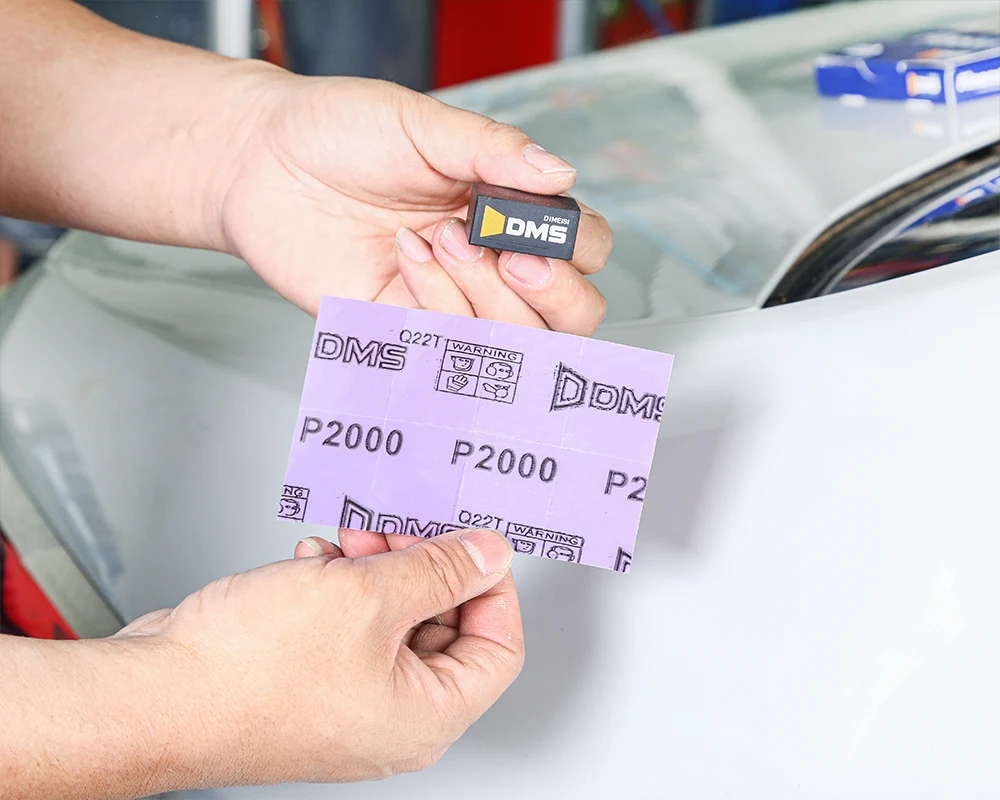
Collision repair involves multiple steps, from coarse sanding of putty to medium sanding and fine primer sanding. The wear resistance and cutting stability of the collision repair sandpaper used directly affect the pace of work in the shop. Choosing durable products reduces the time spent changing consumables and lowers the risk of paint rework, making it a key step in improving repair efficiency.
So how can you boost work efficiency? The DMS editorial team shares the following insights.
I. Match the Abrasive to the Process Stage
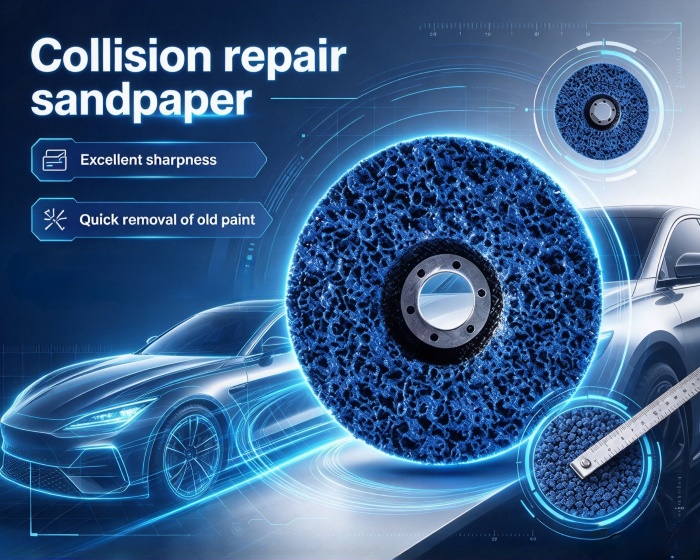
During coarse putty sanding, choose abrasives with strong cutting performance to level the putty quickly and reduce repeated passes. For fine sanding before primer and topcoat, choose collision repair sandpaper with aluminum oxide abrasives or a film backing. These grains hold their edge longer and maintain consistent cutting over an extended period. If dry sanding is the main method in your workshop, choose products with an anti-clogging coating to reduce dust adhesion and extend service life.
II. Choose the Right Backing for Machine Sanding
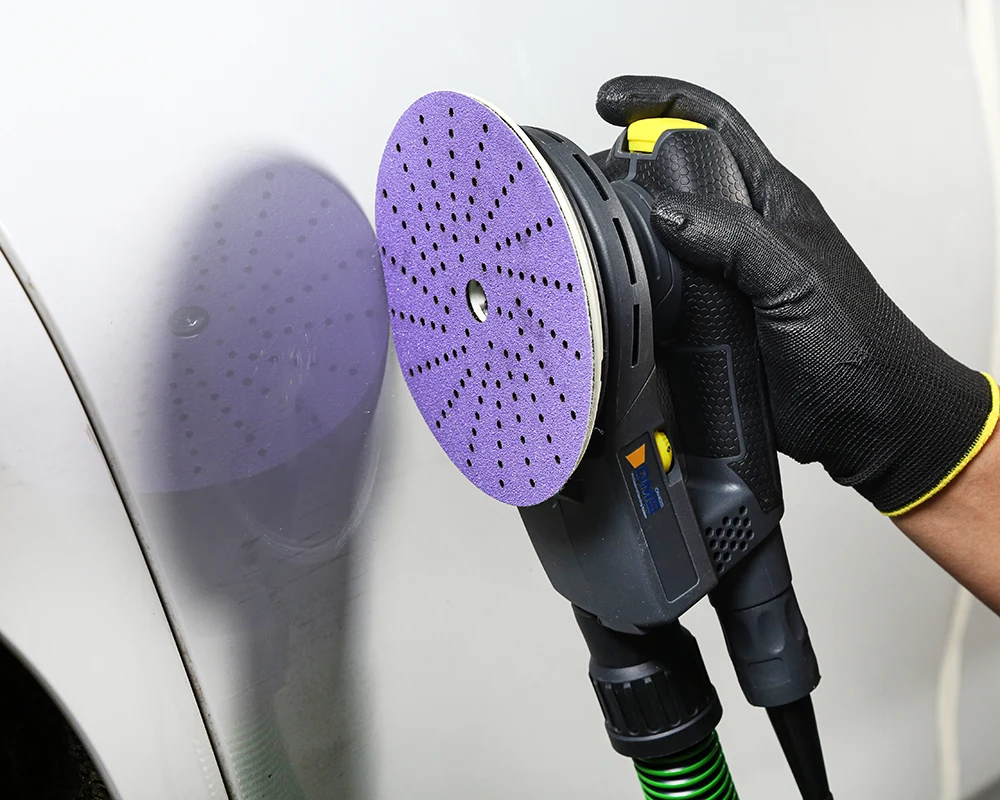
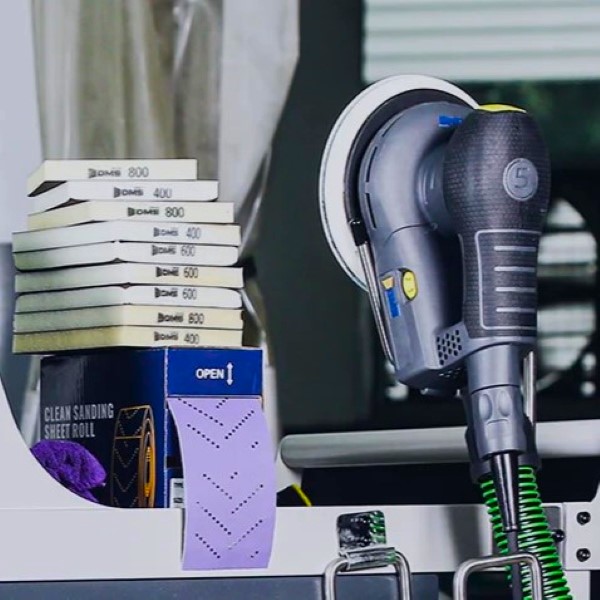
Most body and paint shops use pneumatic sanders. In high-speed sanding, ordinary paper backing tears easily. Film backing offers greater toughness and tensile strength, so it resists cracking during prolonged machine sanding. Also check the hook-and-loop quality on collision repair sandpaper. A securely bonded backing keeps the sandpaper from shifting or slipping, which prevents misalignment that can scratch the workpiece and lead to rework.
III. Use the Right Grit and Hole Pattern to Reduce Clogging
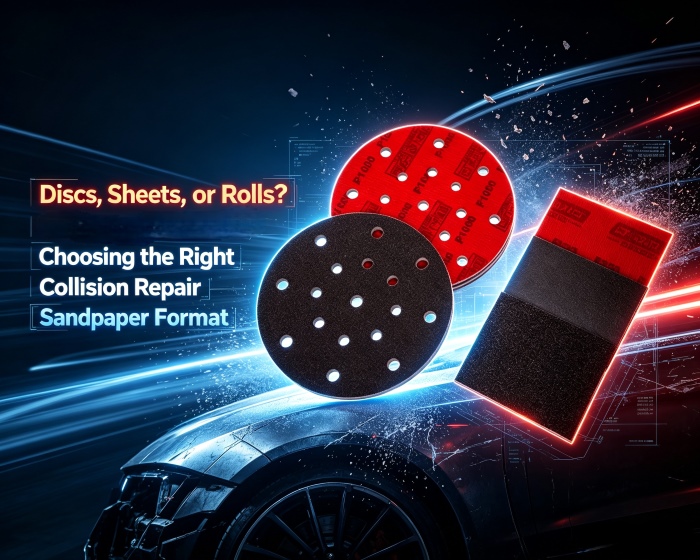
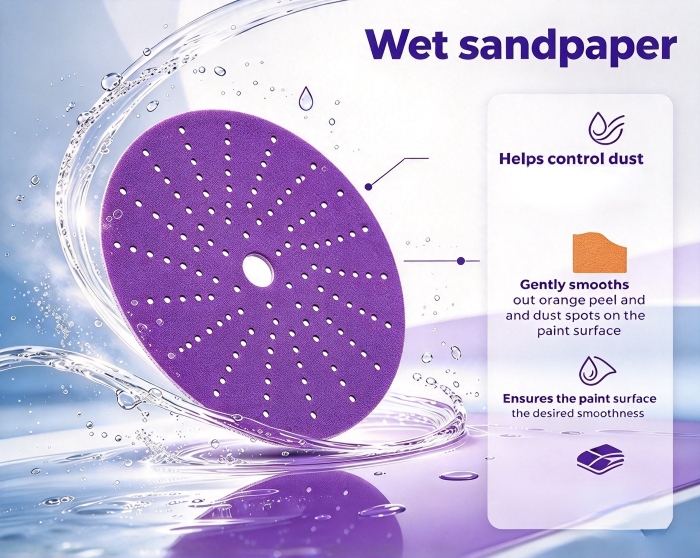
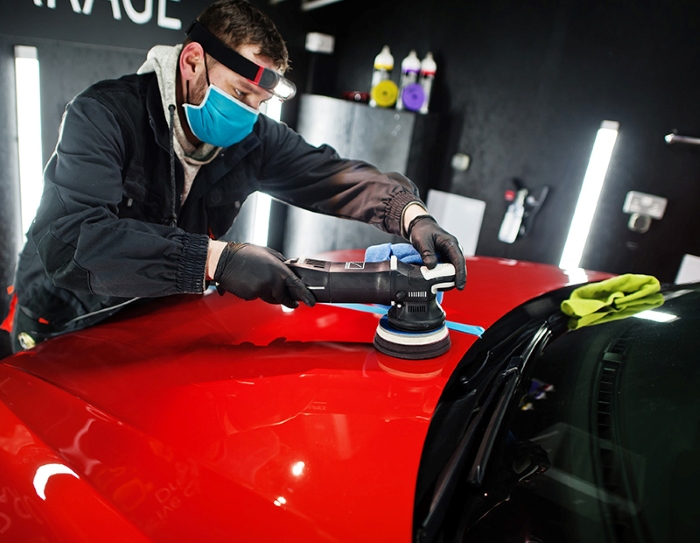
Sanding should progress step by step through coarse, medium, and fine grits rather than relying on one coarse pass to finish the job. Collision repair sandpaper with dust extraction holes, used together with a dust-collection pad, removes putty and primer dust promptly and reduces clogging. This keeps sanding performance consistent and cuts down on cleaning and replacement frequency.
IV. Extend Sandpaper Life with Proper Technique
The durability of collision repair sandpaper also depends on how you sand. Keep pressure even to avoid grain loss from localized heavy pressure, and clear dust from the sanding surface periodically.
Choosing the right collision repair sandpaper and using it correctly balances sanding quality with consumable life, reduces downtime for changes, and steadily improves overall repair efficiency. By matching products to the actual sanding conditions in the workshop, technicians can maintain repair quality while keeping every step of the process running smoothly.
Related News
- What Leads to Peeling of the Waterproof Coating on Wet Sandpaper? Key Usage Tips
- Ceramic Sandpaper vs Silicon Carbide Sandpaper: How to Pick for Your Grinding Job
- Why Anti Static Fine Sandpaper Matters in Electronics Manufacturing
- Is Porous Dust-Collecting Automotive Sandpaper Worth the Switch?
- Why Sanding Pad Inspection Matters When Replacing Finishing Sandpaper
- When Ceramic Flap Discs for Metal Fabrication Stop Self-Sharpening: What to Watch For
Leave me a message