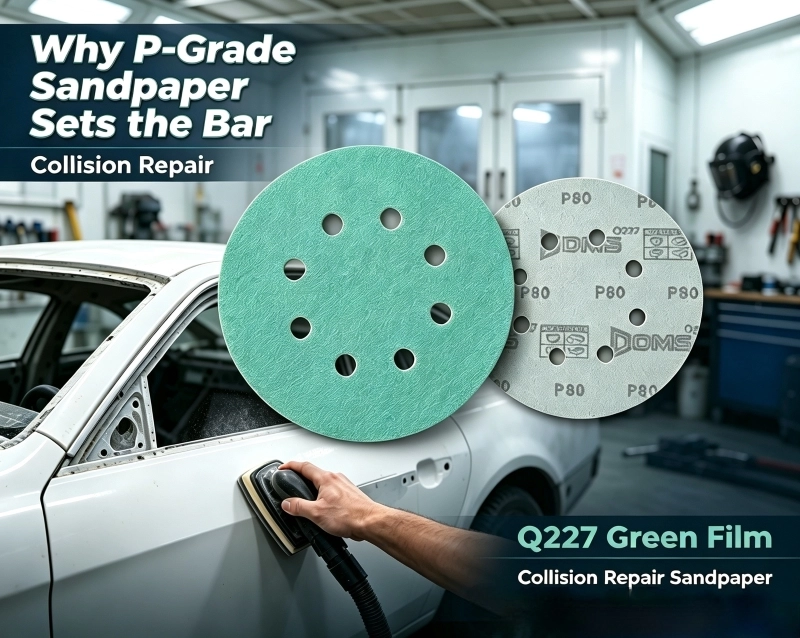
Why P-Grade Sandpaper Sets the Bar for Collision Repair?
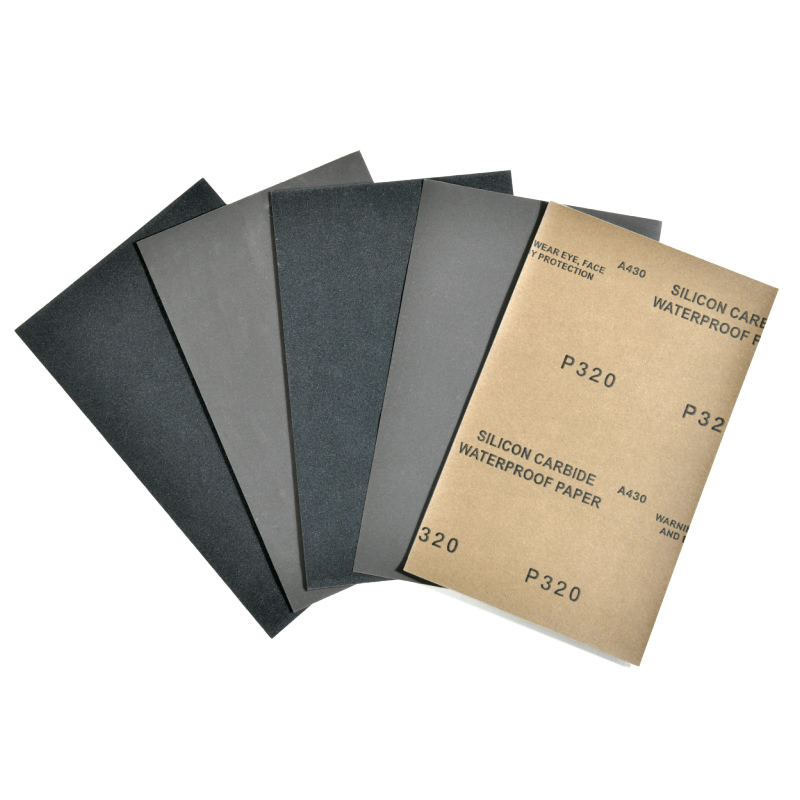
Walk into any professional body shop today, and you will notice a common detail on the collision repair sandpaper they use: the letter "P" in front of the grit number, such as P180 or P400. For technicians, this isn't just a naming convention—it is a critical quality assurance. But what exactly does this simple letter guarantee, and how does it shape the final paint finish?
A Universal Language for Abrasives
Before the P-grade system (established by FEPA, the Federation of European Producers of Abrasives), grit sizing varied wildly between manufacturers and regions. A "320 grit" from one factory might leave deeper scratches than a "320 grit" from another. Collision repair involves stacking multiple delicate layers—body filler, primer, base coat, and clear coat. Inconsistent scratch depth makes it almost impossible to reliably step up through the grits without risking burn-through. Therefore, standardizing collision repair sandpaper is essential. This is why high-quality auto body abrasives are a non-negotiable requirement for any shop.
Predictable Scratch Removal
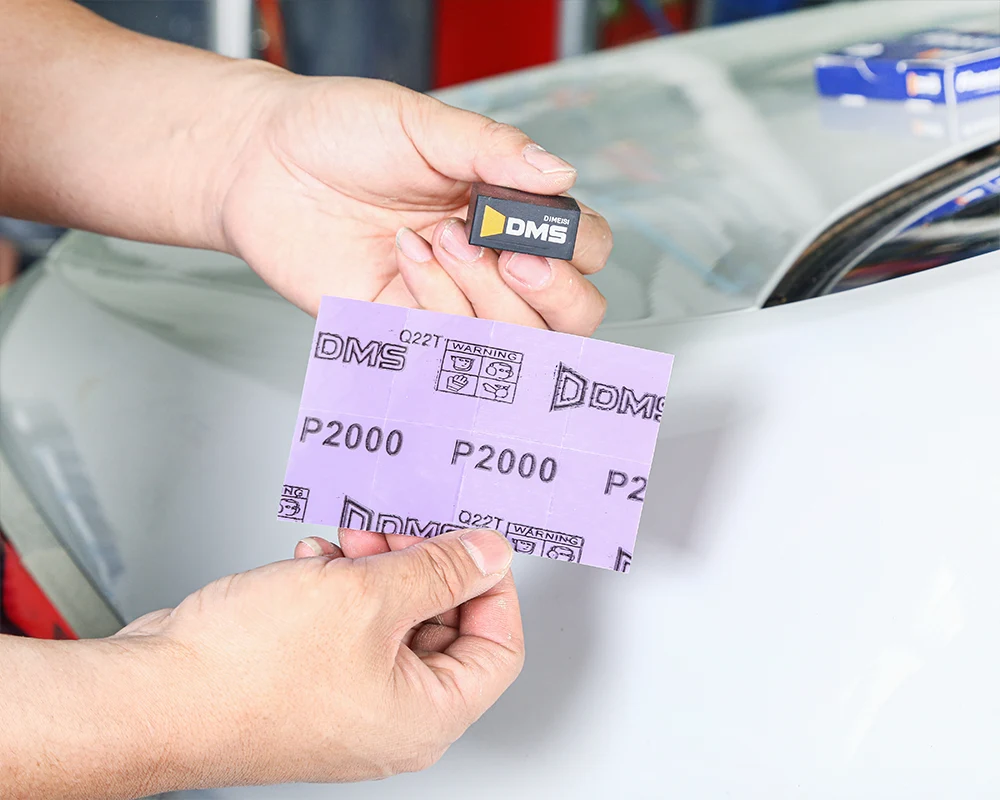
The P-grade system is based on strict micron tolerances rather than arbitrary screening methods. For collision repair sandpaper, this predictability is vital. A P240 sheet will reliably remove the scratch pattern left by a P180 sheet, preparing a uniform surface for the next layer. This standardized progression in collision repair sandpaper ensures proper coating adhesion and prevents defects from telegraphing through the final clear coat.
Consistency and Control
When working on curved panels, edges, and complex contours, technicians need to know exactly how the abrasive will behave. High-quality collision repair sandpaper offers uniform cutting action across the surface. This reduces the risk of over-sanding high spots and helps maintain the vehicle's original body lines. This level of control is exactly why professionals refuse to compromise on their body shop abrasives.
Manufacturing Matters
To get the most out of the P-grade standard, the manufacturing process behind the paper matters just as much as the label. DES-Abrasives strictly adheres to FEPA standards across its entire product line. From heavy-cutting P80 to mirror-finishing P2500, our products are engineered to deliver consistent grain distribution and reliable performance, ensuring that every technician gets exactly the cut they expect from their abrasives.
Next:
-
Related News
- P1500 Finishing Abrasives: Why Consistency Varies by Manufacturer?
- How Do Blue Film Abrasive Discs Improve Sanding Efficiency?
- How to Evaluate a Waterproof Sandpaper Factory’s Quality Control for Long-Term Supply
- Will Ceramic Sandpaper Burn Your Paint? What to Know Before You Sand
- Wet Sanding Troubleshooting: Finishing Abrasives Backing Softening and Delamination
- How Do High-Temperature Resistant Automotive Sandpaper Rolls Benefit Auto Body Sanding?
Leave me a message

News Recommendations